2 weeks ago
Kerala High Court rules journalist reporting official action is not defamation
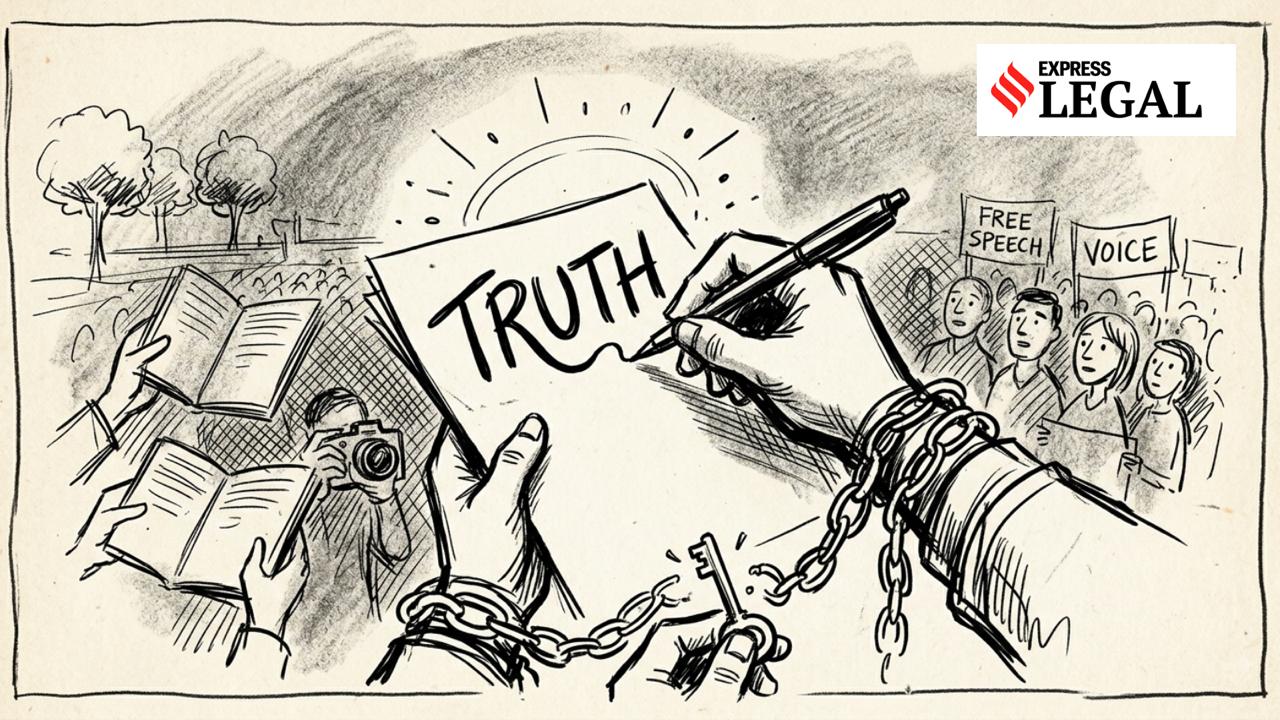
In India, there is a rule that you cannot say mean things about someone on purpose to hurt their reputation; that is called defamation.
A man was arrested by police, and a newspaper wrote a story about his arrest.
The man was very upset because the story made him look bad and embarrassed him, so he wanted the journalists to be punished.
The newspaper said they only wrote about what the police and official records said.
A judge at the High Court of Kerala looked at the case.
The judge said that if a journalist honestly reports what police officers or other officials did, it is not defamation.
Only if a journalist makes up their own nasty statement could it be defamation.
So the judge decided the journalists did not break the law and closed the case.
The rule tells reporters they are safe when their story is based on official records.
But it also reminds them they must stick to the facts and be honest.

The Kerala High Court ruled that a journalist is not criminally liable for defamation merely because reporting an official action caused reputational harm to a litigant.
The court dismissed a criminal defamation case against a Malayalam media house, its Chief Editor, Editor and Reporter.
The case stemmed from the 2020 arrest of a man for allegedly unlawfully possessing Indian Made Foreign Liquor; the man claimed the quantity was 2.5 litres, while the publication reported 3 litres.
The court held the complaint did not disclose an independent defamatory imputation or the necessary mens rea, as the article was based on the official occurrence report.
Justice C S Dias held that an adverse publication or one causing embarrassment does not by itself constitute criminal defamation.
- Who
- The Kerala High Court, Justice C S Dias, a Malayalam media house with its Chief Editor, Editor and Reporter, and an unnamed man arrested in 2020.
- What
- The court dismissed a criminal defamation case against the media house and its editors, ruling that truthful reporting of an official action is not criminal defamation.
- Where
- Kerala High Court, in Kerala, India.
- When
- The ruling was delivered on August 5; the man's arrest occurred in 2020.
- Why
- The court found the article was based on the official occurrence report of the arrest and contained no independent defamatory imputation or culpable mental element.
Complainant (arrested man)
Media house and editors
Accuracy of the report
Complainant (arrested man)
The news was false and defamatory: the official record showed only 2.5 litres of liquor, while the publication reported 3 litres, and it was published to tarnish his reputation owing to previous animosity.
Media house and editors
The article was a faithful and correct report of the man's arrest based on the occurrence report, and it was not false news or a defamatory imputation.
Should the case go to trial
Complainant (arrested man)
The allegations raised disputed questions of fact that had to be decided at trial, and the man was eventually acquitted, yet the article and photograph projected him as an offender and tarnished his name.
Media house and editors
The case should be dismissed because the publication merely reported an official action of excise officials and therefore cannot be the foundation for criminal prosecution for defamation.
Key facts
- Court
- Kerala High Court
- Judge
- Justice C S Dias
- Ruling date
- August 5
- Petitioners
- Malayalam media house, Chief Editor, Editor and Reporter
- Underlying incident
- 2020 arrest of a man for allegedly unlawfully possessing Indian Made Foreign Liquor
- Disputed quantity
- Man claimed 2.5 litres; publication reported 3 litres against an official record of 2.5 litres
- Legal provisions
- Sections 499, 501 and 502 of the Indian Penal Code
- Outcome for arrested man
- He was acquitted of the crime; the defamation complaint against the media house was dismissed
Quotes
Justice C S Dias
Judge of the Kerala High Court
“The publication may have caused embarrassment to the second respondent, but such embarrassment cannot give rise to a prosecution for committing the offences under Sections 499, 501 or 502 IPC.”
 indianexpress.com
“A journalist does not become criminally liable for defamation because the publication of an official action has caused reputational harm to a litigant.”
indianexpress.com
Sources
Related news
Delhi High Court Quashes Defamation Case Against Pinaki Misra

Maharashtra Panel Proposes Criminal Defamation Rules for Social Media

Delhi High Court Stays Defamation Case Against Sudarshan TV
Tripura High Court Upholds Cases Over Abusive PM Posts

CJI Surya Kant: 'Cockroach' Remarks Misquoted, Misused With Malicious Intent

Supreme Court Quashes 20-Year Conviction, Reaffirms Juvenile Legal Protections

Delhi-NCR Bus Assault Reignites Questions About Post-Nirbhaya Safety Laws
Bombay High Court Upholds Life Term in Wife’s Murder

Delhi court convicts man after linking dowry demands to death

How Foreign Rule and Institutions Reshaped Bharatiya Cultural Life