1 hr ago
Gold Slips as Iran Standoff Fuels Fed Rate Bets

Gold prices fell as oil prices stayed high.
Expensive energy can make inflation worse.
Investors think the Federal Reserve may raise interest rates to fight that inflation.
Higher interest rates can make gold less attractive because gold does not pay interest.
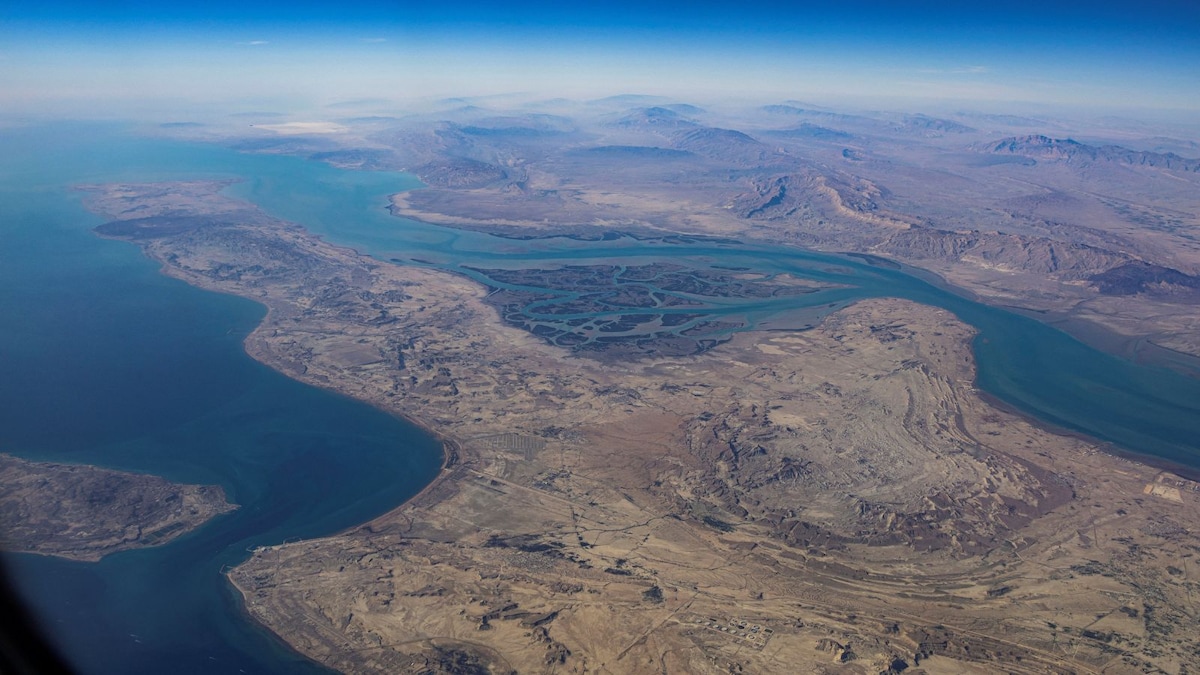
The United States and Iran are still disagreeing about restoring energy shipments through the Strait of Hormuz.
Negotiators may be considering a step-by-step agreement.
US government bond yields also rose sharply because of inflation and debt concerns.
One gold fund manager believes the recent drop will be temporary.

Gold traded near $4,270 an ounce and was down more than 2% for the week.
Elevated energy prices increased expectations that the Federal Reserve may raise interest rates further.
The United States and Iran remained at an impasse over reopening the Strait of Hormuz.
Negotiators were reportedly exploring a phased deal involving the waterway and a port blockade.
A hedge fund manager said gold’s decline was temporary because its long-term supporting forces remain intact.
- Who
- Gold investors, the Federal Reserve, and negotiators from the United States and Iran are central to the story.
- What
- Gold prices were declining as high energy costs fueled expectations of additional US interest-rate increases.
- Where
- The market effects were reported in Singapore trading, while the diplomatic dispute concerns the Strait of Hormuz.
- When
- Gold was trading at 7:50 a.m. in Singapore and was set to end the week lower; the Federal Reserve made its first rate hike in three years last week.
- Why
- Higher energy prices are raising inflation concerns, which could lead to higher borrowing costs that typically pressure gold prices.
Higher Rates Pressure Gold
Long-Term Forces Support Gold
Gold’s near-term direction
Higher Rates Pressure Gold
Persistently high energy prices could keep inflation elevated, encouraging the Federal Reserve to raise rates further and weighing on gold because it pays no interest.
Long-Term Forces Support Gold
Australian hedge fund manager Raphael Lamm argued that the decline is temporary and that the forces behind gold’s long-term rally remain intact.
Outlook for borrowing costs
Higher Rates Pressure Gold
Rising Treasury yields and inflation concerns are leading Wall Street to consider that higher yields may persist.
Long-Term Forces Support Gold
The article does not identify a specific alternative rate forecast, but Lamm’s view implies that enduring gold-supportive forces could outweigh the current rate pressure over time.
Key facts
- Gold price
- Spot gold fell 0.1% to $4,271.54 an ounce at 7:50 a.m. in Singapore.
- Weekly performance
- Gold was down more than 2% since the previous Friday.
- Silver
- Silver fell 0.2% to $63.68 an ounce and was on track to lose almost 4% for the week.
- Oil and Iran
- Oil steadied after surging as the United States and Iran remained at an impasse over energy flows through the Strait of Hormuz.
- Bond yields
- Thirty-year US Treasury yields rose to just below 5.5%, their highest level in more than two decades.
- Rate outlook
- Higher energy costs are prompting investors to assess whether inflation will lead to further Federal Reserve rate increases.
Sources
Related news

Gold Swings as US-Iran Talks Shape Fed Rate Outlook

Gold Holds Losses as Oil Disruptions Boost Fed Rate-Hike Bets
Gold Rises as Lower Oil Eases Fed-Rate Fears
Gold Rises as Lower Oil Prices Ease Rate Hike Bets

Gold slips as oil rally boosts Fed hike bets
US-Iran Tensions Increase Gold Volatility Ahead Of Fed Decision
US Cost Pressures Mount as Mortgage Rates and Oil Rise

Iran Signals Talks While Warning Conflict Could Expand
Wall Street Recovers as Bond Yields and Oil Rise

Oil Surge Pushes U.S. 30-Year Yields To 20-Year High