

16 hrs ago
Gold Rises as Lower Oil Eases Fed-Rate Fears

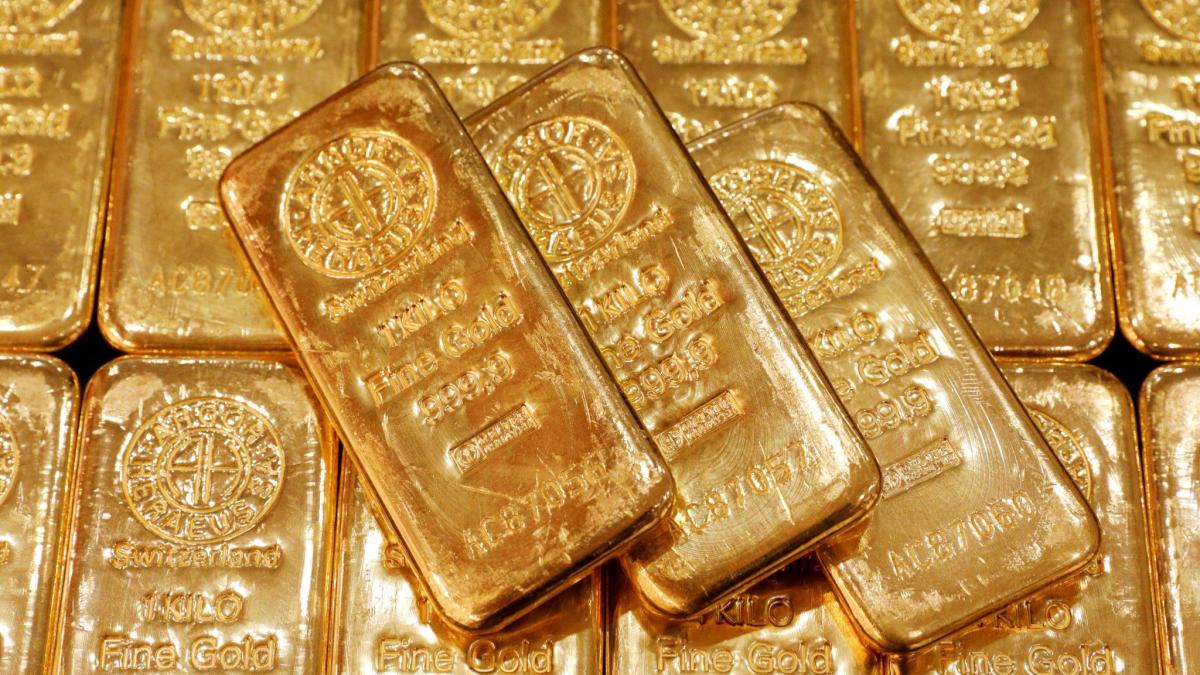
Gold prices went up slightly after a bumpy week.
Oil prices fell, which made investors less worried about inflation.
Lower inflation worries can reduce expectations for very high interest rates.
High interest rates can make gold less attractive because gold does not pay interest.
The Federal Reserve recently raised rates for the first time since 2023.
Some analysts think future rate increases will slow gold’s rise but will not stop it.
Investors have continued buying gold through exchange-traded funds.
Gold was still nearly 20% below its record price reached in January.

Gold traded around $4,350 an ounce after extending its recovery.
Falling oil prices reduced concerns that inflation would keep interest rates high.
Saudi Arabia’s planned restoration of its East-West pipeline supported gold prices.
Gold-backed ETFs recorded eight consecutive days of inflows, the longest streak since October 2025.
Goldman Sachs lowered its year-end gold target to $4,650 from $4,900 an ounce.
- Who
- Gold investors, the Federal Reserve, Saudi Arabia, and Goldman Sachs analysts were central to the report.
- What
- Gold rose as oil prices declined and traders assessed the Federal Reserve’s interest-rate outlook after its first hike since 2023.
- Where
- The reported gold and market trading occurred in New York; Saudi Arabia’s East-West pipeline was also relevant.
- When
- At 11:21 a.m. in New York, during the end of a volatile week.
- Why
- Lower oil prices eased inflation concerns, while ETF inflows and central-bank purchases continued to support demand for gold.
Factors Supporting Gold
Factors Pressuring Gold
Interest rates
Factors Supporting Gold
Goldman Sachs analysts said future Fed hikes are likely to slow rather than derail gold’s rally, with much expected tightening already reflected in ETF demand.
Factors Pressuring Gold
Higher interest rates can weigh on non-yielding gold by making interest-paying assets more attractive.
Market demand
Factors Supporting Gold
Strong central-bank purchases, resilient call-option demand, and eight straight days of ETF inflows continued to support bullion.
Factors Pressuring Gold
The Federal Reserve’s rate path and a stronger U.S. dollar remain potential drags on gold prices.
Energy prices
Factors Supporting Gold
Lower oil prices eased inflation concerns, reducing pressure for interest rates to stay elevated for longer.
Factors Pressuring Gold
Earlier higher energy prices had reinforced expectations that rates would remain high for longer, which was negative for gold.
Key facts
- Gold price
- Spot gold rose 0.3% to $4,355.90 an ounce.
- Other metals
- Silver rose 1.8% to $66.38 an ounce, while platinum and palladium also advanced.
- Federal Reserve
- The Fed made its first interest-rate hike since 2023.
- Goldman Sachs target
- The year-end gold forecast was cut from $4,900 to $4,650 an ounce.
- ETF inflows
- Gold-backed ETFs recorded eight consecutive days of inflows.
- Recent gold record
- Gold remained nearly one-fifth below a record reached in January.
- Dollar
- The Bloomberg Dollar Spot Index rose 0.2%.
Quotes
Lina Thomas
Goldman Sachs analyst who co-authored the firm’s note on gold’s outlook
“Much of the expected tightening already appears priced into ETF demand, stronger-than-expected central bank purchases continue to offset the remaining drag from higher rates, and call-option demand for gold as a macro-policy hedge has proven resilient.”
 livemint.com
Sources
Related news

Gold Holds Losses as Oil Disruptions Boost Fed Rate-Hike Bets

Gold slips as oil rally boosts Fed hike bets
Gold Extends Five-Day Gain as Oil Drop Eases Inflation Fears
Gold Drops as Oil Surge Raises Fed Hike Bets
Gold Slips as Hot Inflation Lifts Fed Hike Bets

Gold Rally Extends After Fed Hike as Investors Assess Risks
Goldman Says Yen Has Limited Room to Strengthen

Companies Rush Cyber Defenses as AI Threats Grow

Goldman Sachs Finds AI Adoption Leaders, Tech Hiring Faces Pressure

Goldman Sachs Sees AI Agents Driving Next Growth Wave
