1 hr ago
US and Iran Explore Phased Deal to Reopen Hormuz

The United States and Iran are discussing a possible way to stop their long conflict.
Iran has blocked the Strait of Hormuz, an important route for ships carrying oil.
The United States has used a blockade and sanctions to pressure Iran’s economy.
One proposed plan would have Iran reopen the waterway while the United States removes the blockade.
Iran might also receive access to money held outside the country.
Neither side wants to make the first major concession because each wants to keep its bargaining power.
Gulf countries want the fighting to stop but do not want Iran controlling the waterway.
The talks could become harder after the US congressional elections on November 3.
Officials warn that failure could increase the risk of renewed escalation.

US and Iranian negotiators are exploring a phased plan in New York to end their nearly seven-month conflict.
The proposed first step would have Iran reopen the Strait of Hormuz while the United States lifts its economic blockade.
Iran may seek access to frozen assets and could move its demand for transit fees into a separate attachment.
Both sides are reluctant to give up leverage, and Iranian officials say Tehran is preparing for possible renewed conflict.
Gulf states support de-escalation but reject Iranian control or tolls over the strategic waterway.
- Who
- US and Iranian negotiators, with Gulf states closely involved in regional concerns.
- What
- They are discussing a phased arrangement in which Iran reopens the Strait of Hormuz and the United States lifts its economic blockade.
- Where
- The negotiations are taking place in New York alongside the United Nations General Assembly.
- When
- The talks were reported on September 24, with US congressional elections scheduled for November 3.
- Why
- The United States wants freedom of navigation and Iran seeks relief from economic pressure and potentially access to frozen assets.
Iranian Position
US and Gulf Position
Order of concessions
Iranian Position
Iran wants the economic blockade removed as part of the initial stage and says US pressure must end before it makes major concessions.
US and Gulf Position
The United States wants pressure to produce concessions, especially the restoration of free passage through Hormuz.
Control of Hormuz
Iranian Position
Iran may defer its demand for transit fees but is not expected to give up administrative control of the waterway.
US and Gulf Position
Gulf states reject Iranian control or tolls over Hormuz and insist that freedom of navigation be restored.
Risk of escalation
Iranian Position
Iran says it is preparing for possible renewed war and argues that excessive US demands are reducing the chances of diplomacy.
US and Gulf Position
US and Gulf officials are seeking clarity on Washington’s long-term endgame and want to prevent the conflict from becoming open-ended.
Key facts
- Proposed first step
- Iran would reopen the Strait of Hormuz and the United States would lift its economic blockade.
- Iranian priority
- Ending the blockade has become more urgent than securing payment of transit fees.
- Possible financial relief
- Iran could potentially gain access to frozen assets.
- US political timing
- President Donald Trump has said a deal could be reached after the November 3 midterm elections.
- Deal prospects
- Former US negotiator Dennis Ross estimated a 30% chance of an agreement before the vote.
- Regional position
- Gulf states want de-escalation but reject Iranian control of Hormuz and the use of the waterway as leverage.
- Main obstacle
- Neither side wants to surrender its leverage before receiving tangible concessions.
Quotes
A senior Iranian official
Iranian official involved in or familiar with the negotiations
“Our fingers are on the trigger. The Americans know what they need to do but, because of their excessive demands, the chances of diplomacy resolving this are extremely low”
 livemint.com
“Iran is desperate for a deal, President Trump holds all the cards and will make whatever decision is best for the United States.”
livemint.com
Ebtessam al-Ketbi
President of the Emirates Policy Center think tank in Abu Dhabi
“It’s still not clear what Trump’s endgame is, or what the alternative to the pressure campaign would be.”
 theprint.in
Sources
Related news

Trump Calls for Iran Isolation While Gulf Seeks Diplomacy

Iran Offers Seven-Day Hormuz Reopening If US Eases Pressure
Iran, Oman Reach Hormuz Revenue Accord Amid US Opposition
Iran Ties Hormuz Reopening and Talks to US Conditions

Qatar Seeks Tehran Dialogue as US Escalates Economic Pressure

Iran Keeps Diplomacy Open as US Pressure Intensifies
Saudi Arabia boosts crude shipments through Strait of Hormuz

Gold Falls ₹1,600 as Dollar and Oil Surge
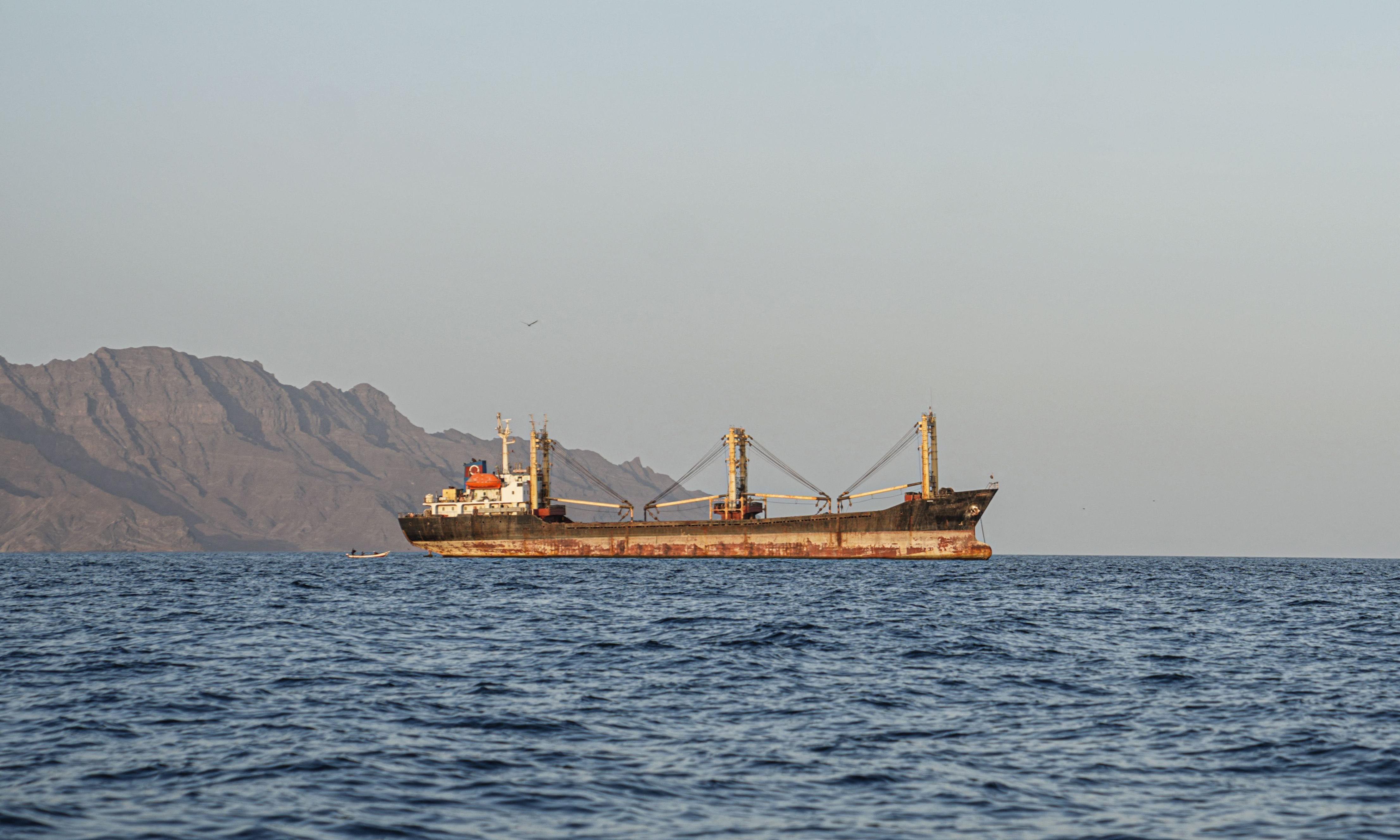
Iran Warns War Could Spread to Indian Ocean After Attacks
Oil prices jump as US-Iran truce talks cloud supply outlook