3 weeks ago
Unseasonal Saptaparni Tree Bloom in Thane Sparks Climate Concerns
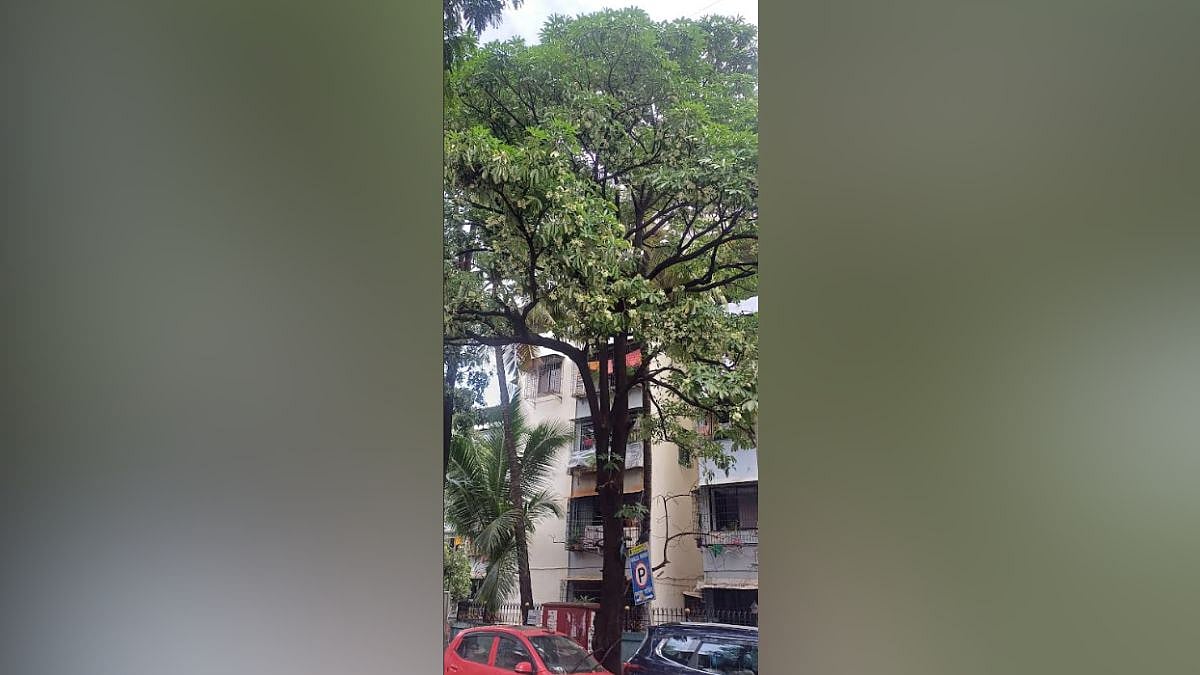
Trees called Saptaparni usually bloom in autumn, around October or November, after the monsoon rains end and the weather cools down.
This year in Thane, the trees began blooming in late July—almost two months early.
People who study nature noticed this and think it may be a warning sign of climate change.
The hot air trapped by city buildings and roads, extra carbon dioxide, and confusing rain patterns can trick the trees into blooming too soon.
When flowers bloom early, the bees and other insects that help pollinate them may not be ready.
That could make it harder for the trees to produce seeds.
Scientists say one early bloom does not by itself prove climate change, but it is worth studying carefully.
They want to record when plants flower year after year and compare those records with temperature and rain data.
This helps us understand how nature is responding as the climate changes.

Saptaparni trees (Alstonia scholaris) in Thane began blooming by late July, nearly two months earlier than their usual October–November window.
Experts attribute the premature bloom to the Urban Heat Island effect, fluctuating humidity and rainfall patterns, and elevated atmospheric CO2 levels.
The early flowering disrupts the trees' internal circadian rhythms and risks an ecological mismatch with native pollinators.
The anomaly is studied through phenology, described as a reliable benchmark for tracking environmental shifts.
Dr. Prashant Sinkar, an environmental researcher in Thane, urges systematic documentation and multi-year phenological records to inform environmental policy.
- Who
- Saptaparni trees (Alstonia scholaris) in Thane, observed by local botanists and environmental researchers such as Dr. Prashant Sinkar
- What
- Unseasonal blooming of Saptaparni trees nearly two months before their typical October–November flowering window, raising climate change concerns
- Where
- Thane
- When
- Late July to early August, about two months earlier than the normal flowering season
- Why
- Because of the Urban Heat Island effect, fluctuating humidity and rainfall patterns, and elevated atmospheric CO2 levels that are believed to trigger early flowering
Key facts
- Tree species
- Alstonia scholaris (Saptaparni / Scholar Tree / Devil Tree)
- Location
- Thane
- Normal flowering window
- October–November
- Observed flowering
- Late July to early August (~2 months early)
- Likely drivers
- Urban Heat Island effect, fluctuating humidity & rainfall, elevated CO2 levels
- Key risk
- Ecological mismatch with native pollinators
- Research field
- Phenology
- Expert cited
- Dr. Prashant Sinkar, Environmental Researcher, Thane
Quotes
Dr. Prashant Sinkar
Environmental Researcher, Thane
“Nature communicates through altered seasonal rhythms rather than words. Premature flowering events should not be viewed merely as natural curiosities, but as data points requiring systematic scientific documentation. Correlating multi-year phenological records with local temperature, rainfall, and humidity trends is essential for future environmental policy.”
 freepressjournal.in
Sources
Related news

VesacIndia Launches Urban Forest Intelligence Pilot to Study Tree-Fall Risks

Delhi's Erratic Weather Brings Heavy Rain, Thunderstorms And Relief
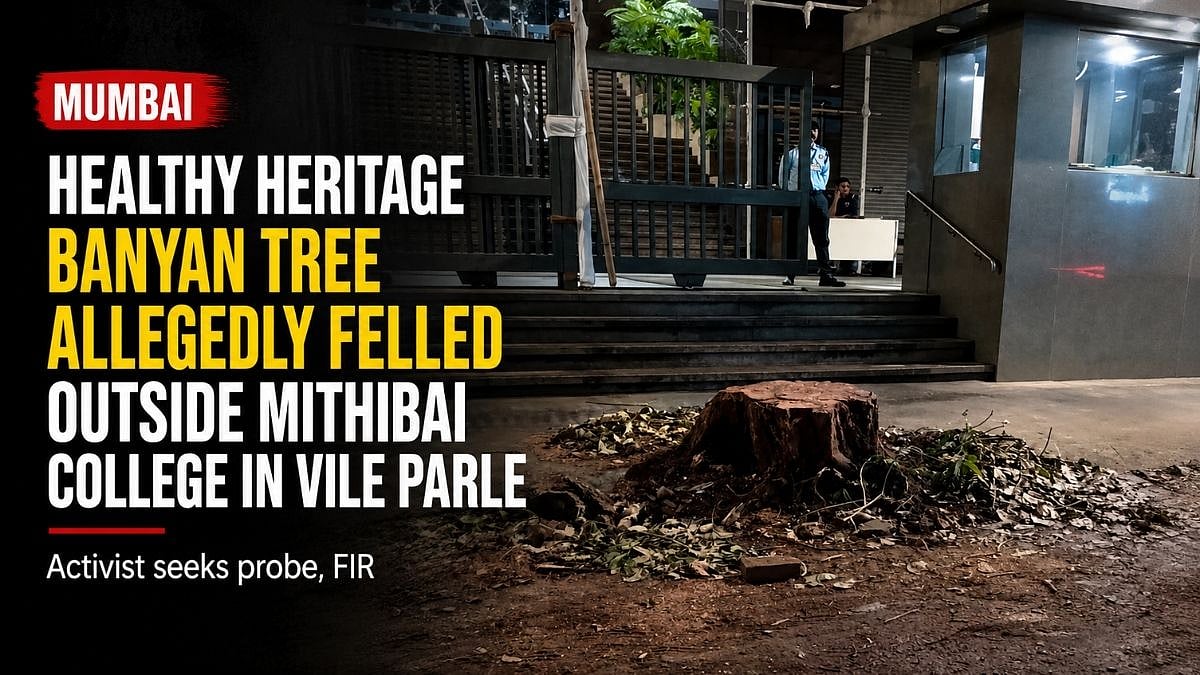
Activist Seeks Probe After Banyan Tree Felled Outside Mithibai College

Mumbai Rain to Continue; El Niño System to Strengthen
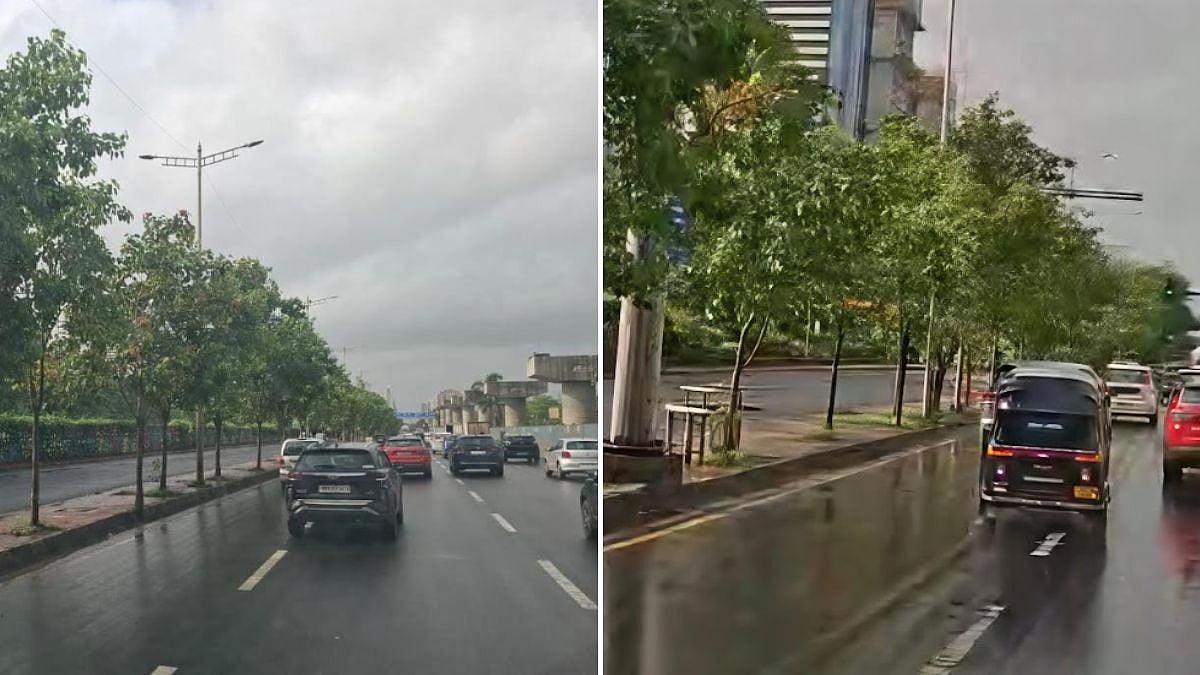
Congress Launches 'Protect Mumbai Trees' Campaign After Chembur Tragedy

Mumbai Gets Light Showers as Monsoon Recedes; Thane Under Alert