3 weeks ago
Aati Amavasya: Centuries-Old Saptaparni Bark Tradition Endures in Coastal Karnataka
Aati Amavasya is a special day for people living in a part of India called coastal Karnataka.
It happens on the new moon day of the month of Aati, which is usually in July or August, and this year it was observed on August 12.
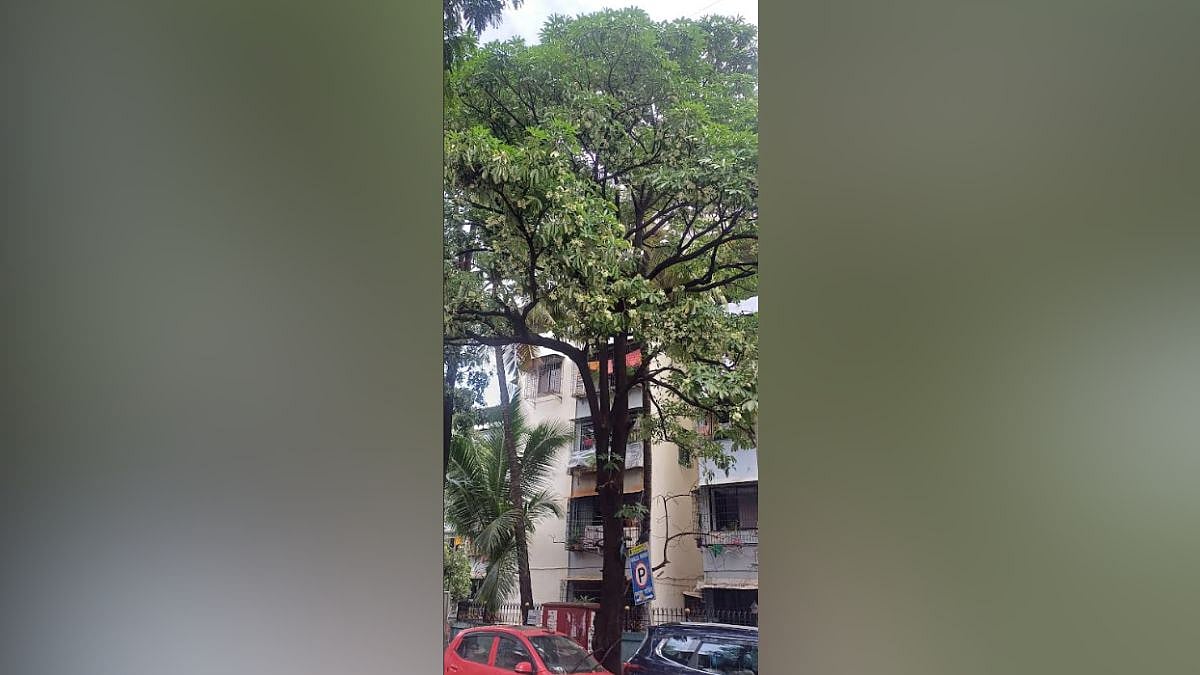
Early in the morning, before the sun comes up, people scrape a small piece of bark from a special tree called Saptaparni, or Paaleda Mara.
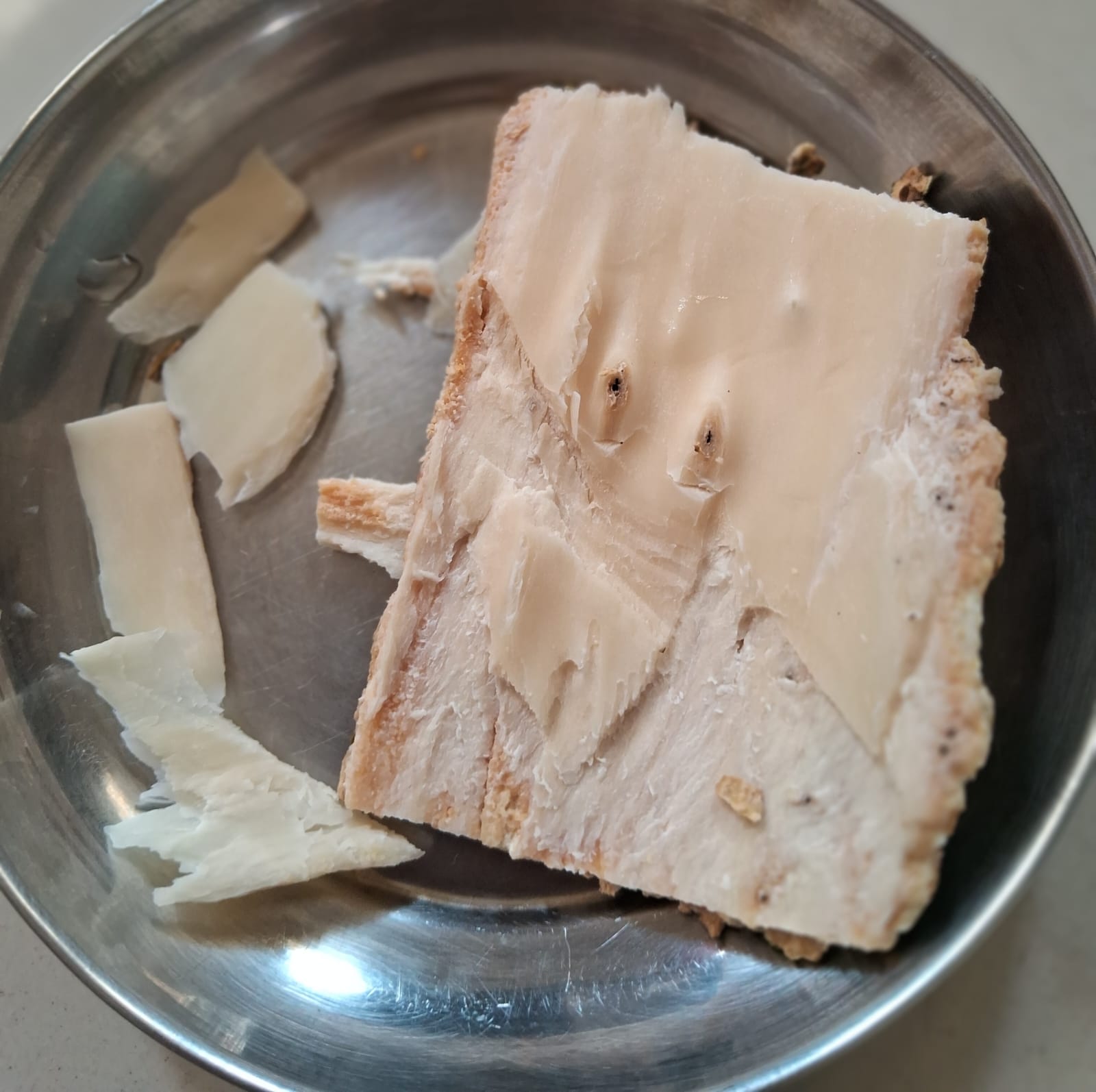
They grind the inner part of the bark on a stone to make a bitter paste.
Family members eat the paste on an empty stomach to follow a tradition that has lasted for centuries.
Some people mix the paste with water or buttermilk before drinking it, while others swallow a small piece of the bark.
Some temples offer the bark to their deity first and then share it with devotees as holy water called teertham.
Many people believe the bitter taste is good for the body and helps balance something called pitta.
After the ritual, many families cook a dish called Methi Conji, and people also share pictures and videos of the ritual online.

Aati Amavasya, the new moon day of the Tulu month Aati (the solar month of Karkataka), was observed this year on August 12.
On this day, families across Dakshina Kannada and Udupi consume a bitter paste made from the inner bark of the Saptaparni tree (Alstonia scholaris), known as Paaleda Mara in Tulu.
The bark, called Paaleda Kette, is traditionally scraped from the tree before sunrise using a sharp stone or wooden piece and then ground on a grinding stone.
The paste is eaten on an empty stomach, sometimes diluted with water or buttermilk; in some temples the bark is first offered to the deity and mixed with teertham for devotees.
The bitter tikta rasa is believed in traditional medicine to have health benefits, including balancing pitta, and many families prepare Methi Conji after the morning ritual, while people share photos and videos of the observance online.
- Who
- Families across Dakshina Kannada and Udupi districts in Tulu Nadu (Coastal Karnataka)
- What
- Brushing off the year with the centuries-old Aati Amavasya ritual, in which a bitter paste made from the bark of the Saptaparni tree (Alstonia scholaris) is consumed on an empty stomach before sunrise
- Where
- Tulu Nadu, or Coastal Karnataka, especially the districts of Dakshina Kannada and Udupi
- When
- August 12 this year; the new moon day of the solar month of Karkataka, which usually falls in July or August
- Why
- It is a centuries-old seasonal tradition, and the bark's bitter tikta rasa is believed in traditional medicine to have health benefits, including helping to balance pitta
Key facts
- Ritual
- Aati Amavasya
- Observed date (this year)
- August 12
- Month
- Aati, the Tulu name for the solar month of Karkataka (usually July or August)
- Key tree
- Saptaparni (Alstonia scholaris), called Paaleda Mara in Tulu
- Ritual element
- Bark (Paaleda Kette) scraped before sunrise and ground into a paste consumed on an empty stomach
- Medicinal belief
- Bitter tikta rasa helps balance pitta in traditional medicine
- Regions
- Dakshina Kannada and Udupi, Coastal Karnataka
- After the ritual
- Many families prepare Methi Conji
Sources
Related news

Hariyali Amavasya Blends Ancestor Gratitude with Green Tree Planting

Thousands Perform Ancestral Rites Across Tamil Nadu on Aadi Ammavasai

Hariyali Amavasya 2026: Rituals for Pitru Tarpan Before Tithi Ends

Hariyali Amavasya 2026: Devotees Plant Trees, Worship Lord Shiva

Narali Bhaat: Maharashtra’s Sweet Dish for Narali Purnima

Mumbai Prepares for Week of Onam, Eid-e-Milad and Festivals