1 hr ago
BRICS and G7 Show Contrasting Strengths Across Global Power
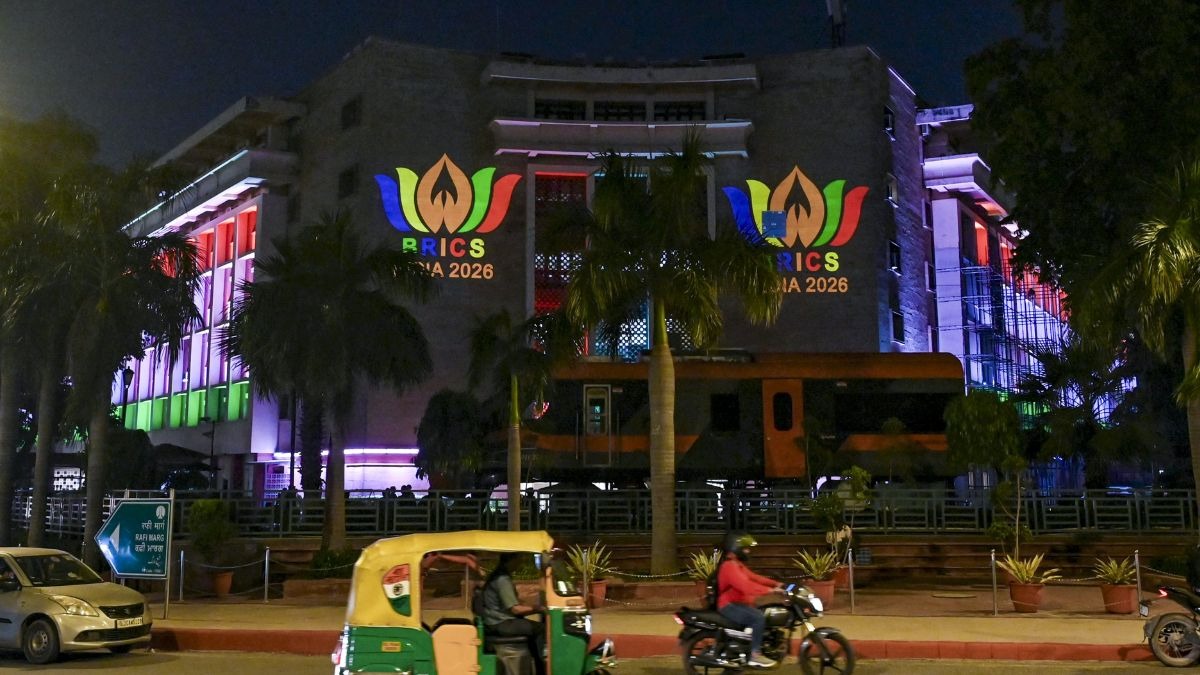

Expanded BRICS has 11 members, roughly half the world’s population and about 40% of global GDP.
BRICS leads in population, energy resources, commodities and PPP-measured economic output.
The G7 remains larger in nominal-dollar GDP and has greater financial, technological and military power.
BRICS includes major oil, gas, agricultural and energy-consuming countries, strengthening its supply-chain influence.
Political divisions among BRICS members contrast with the G7’s more cohesive alliances and institutions.
- Who
- The 11-member BRICS grouping and the seven-member G7 are being compared; India holds the 2026 BRICS chairship.
- What
- The comparison assesses their relative population, economic size, energy and commodity influence, technology, finance and military power.
- Where
- The comparison concerns the two international groupings and their influence in global economic and political affairs.
- When
- The analysis concerns 2026, when India chairs BRICS.
- Why
- The comparison highlights that BRICS has greater demographic, commodity and PPP-based economic weight, while the G7 has greater nominal economic, financial, technological and military power.
BRICS’s Strategic Advantages
G7’s Strategic Advantages
Population and economic scale
BRICS’s Strategic Advantages
BRICS has a far larger population and has overtaken the G7 in purchasing-power-parity terms, helped by China and India’s domestic purchasing power.
G7’s Strategic Advantages
The G7 represents a smaller population but remains considerably larger in nominal-dollar GDP, a measure more relevant to international finance and transactions.
Energy and commodities
BRICS’s Strategic Advantages
BRICS includes major oil and gas producers such as Russia, Saudi Arabia, the United Arab Emirates and Iran, as well as major agricultural and energy-producing countries.
G7’s Strategic Advantages
The G7’s principal advantages are concentrated economic, financial, technological and industrial capabilities rather than population or commodity production.
Military and political influence
BRICS’s Strategic Advantages
BRICS offers emerging economies a platform for greater influence over global institutions and supports alternatives such as the New Development Bank, but its members have significant political divisions.
G7’s Strategic Advantages
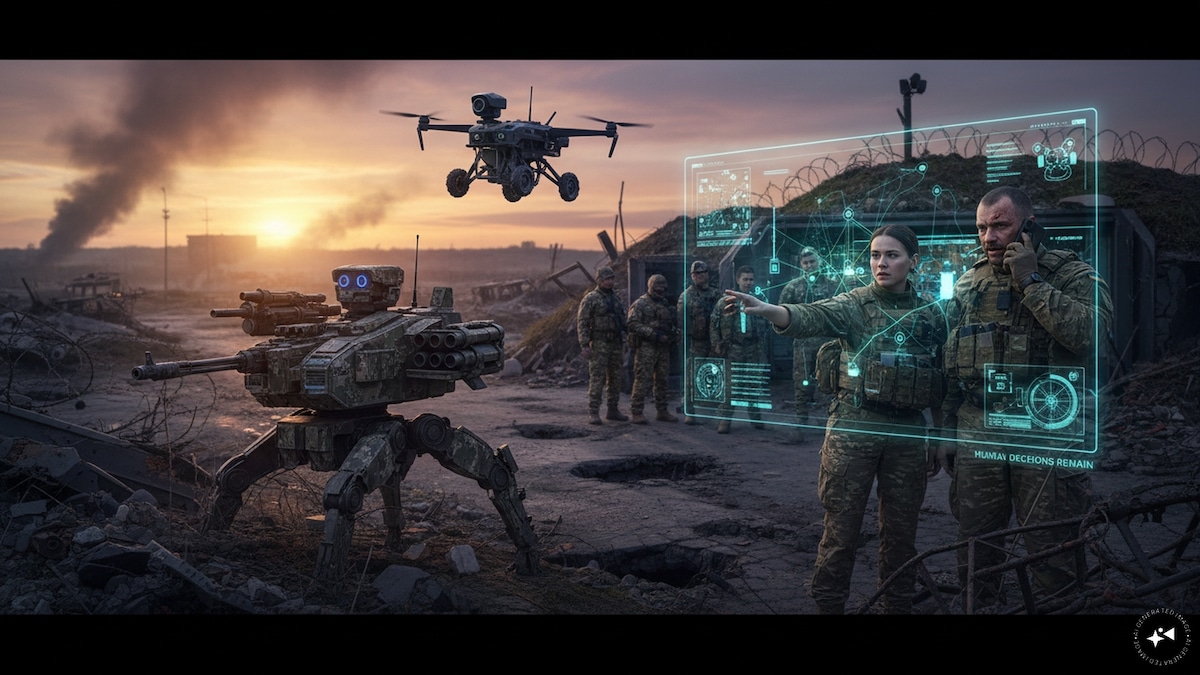
The G7 benefits from United States military strength, global bases, strategic capabilities, advanced technology and dense defense partnerships, particularly through NATO.
Key facts
- BRICS membership
- 11 countries
- BRICS population share
- Roughly half of the world’s population
- BRICS GDP share
- Around 40% of global GDP, according to recent estimates
- BRICS trade share
- Roughly one-quarter of global trade
- BRICS chairship in 2026
- India
- India’s chairship theme
- “Building for Resilience, Innovation, Cooperation and Sustainability”
- BRICS development institution
- The New Development Bank provides infrastructure and development financing for emerging economies
Sources
Related news
India Seeks Practical BRICS Agenda Beyond Confronting West

BRICS Expands From Economic Idea Into Global Power Bloc
BRICS Expansion Puts China-India Cooperation at Global Center
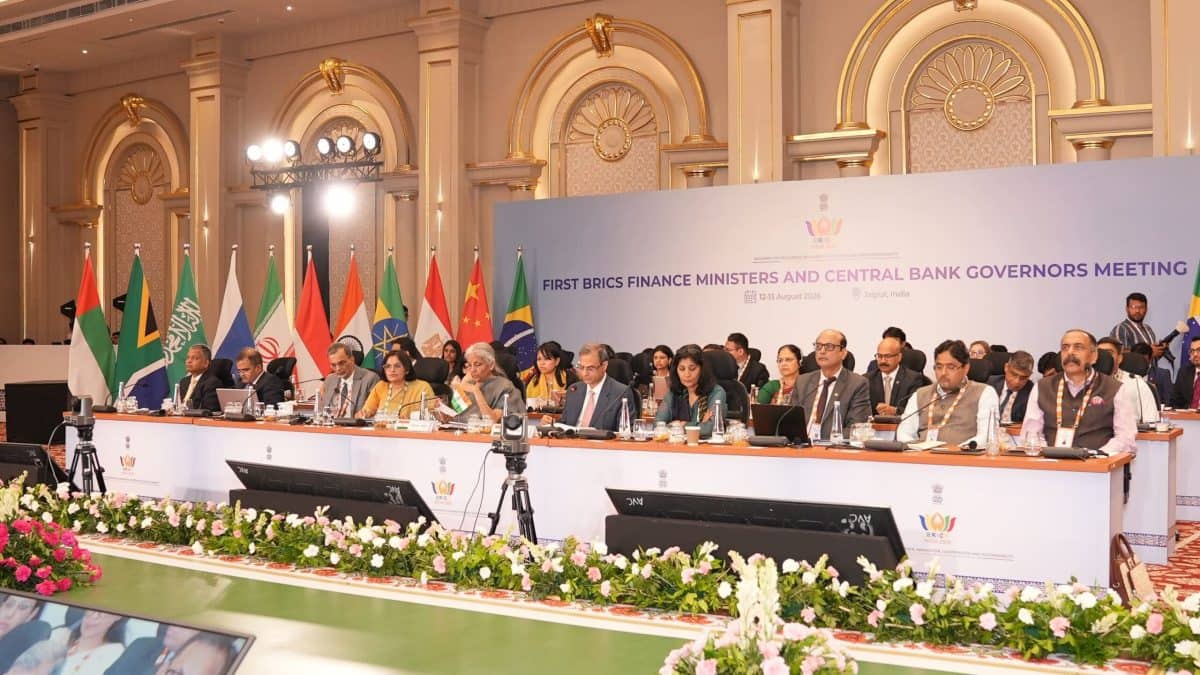
BRICS Builds a Hedge Against Western Order Uncertainty
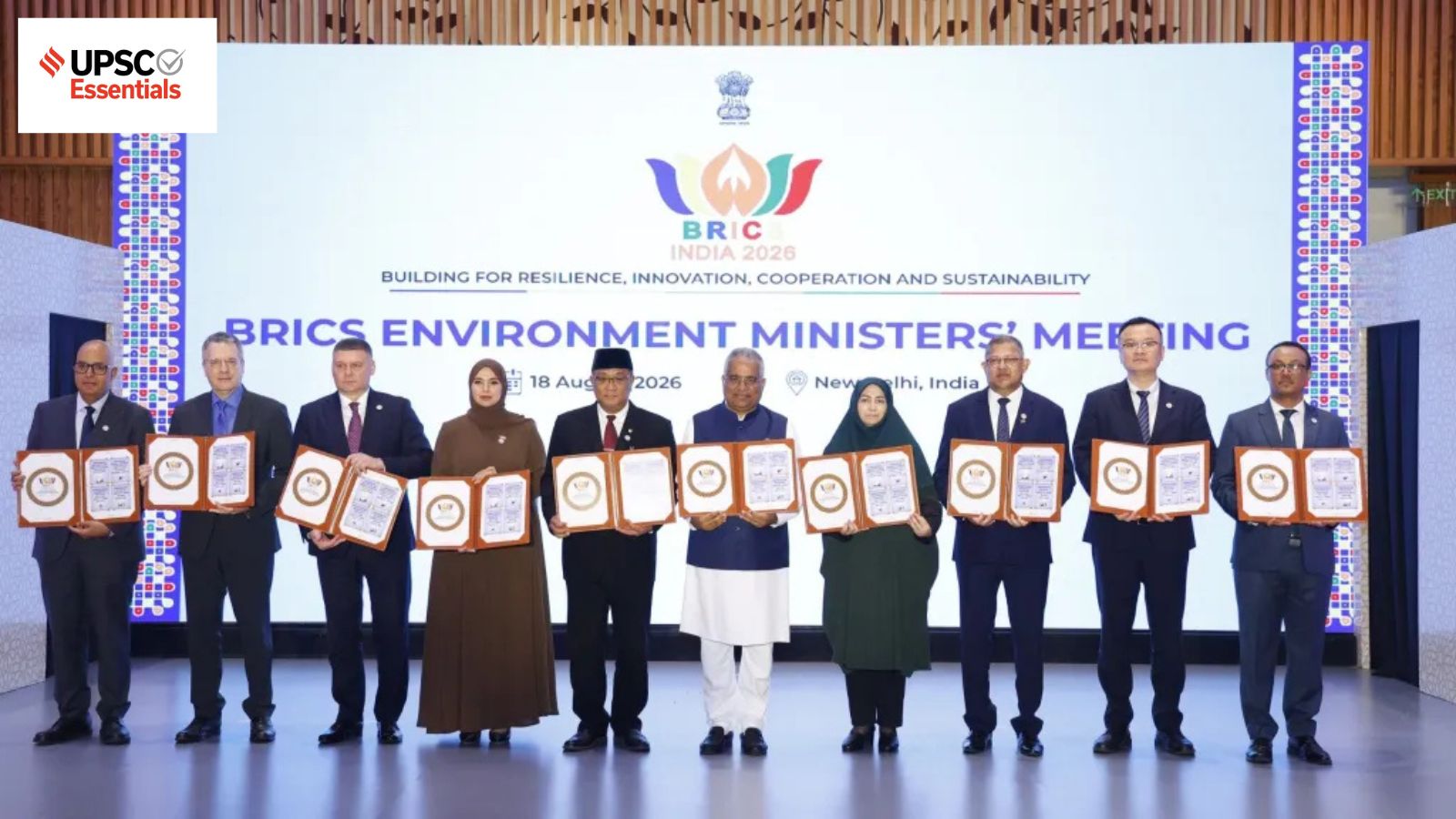
UPSC International Relations Quiz Covers BRICS, EPF and Borders
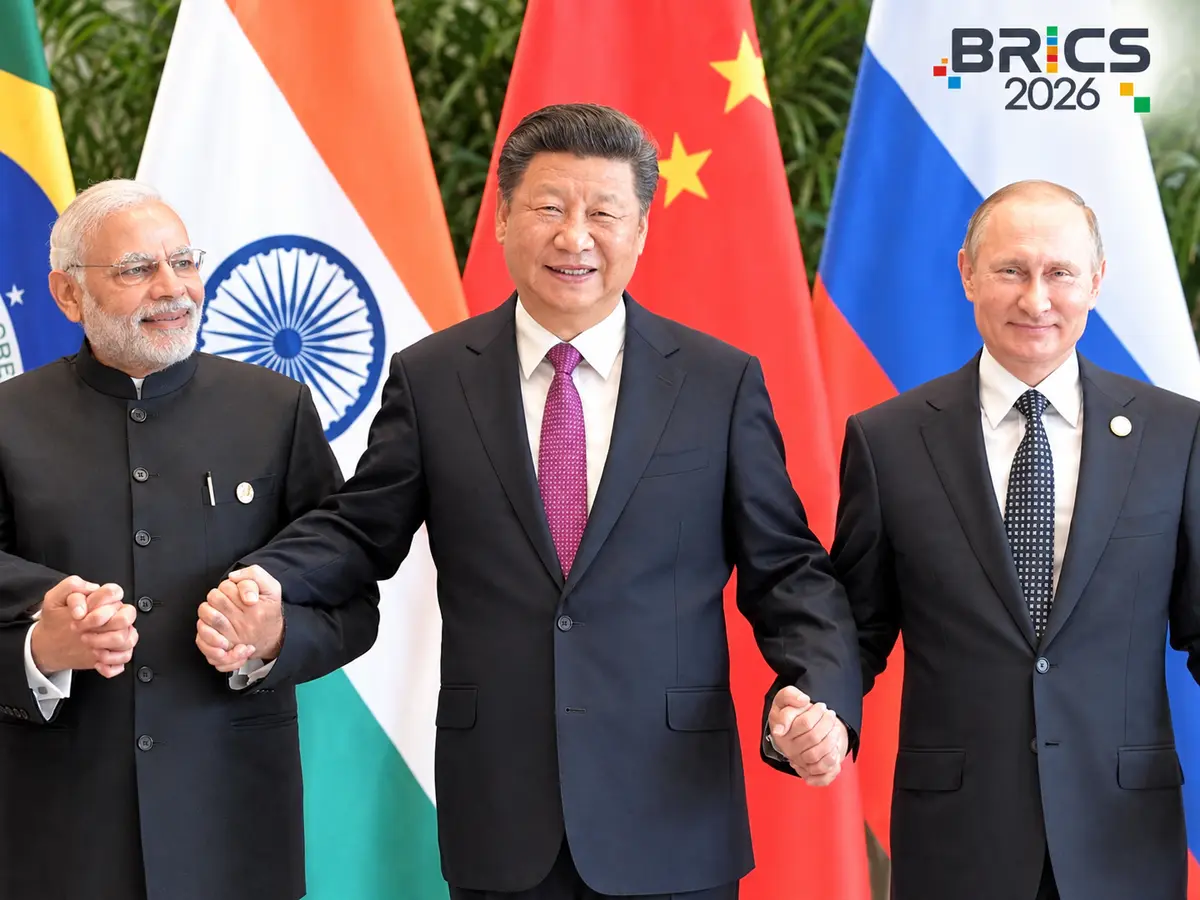
BRICS Military Power Spans Major Forces Without Alliance

Germany Seeks Weapons Sales From Ukraine Aid Spending

Hungary Expels Ten Russian Diplomats, Prompting Retaliation Threat
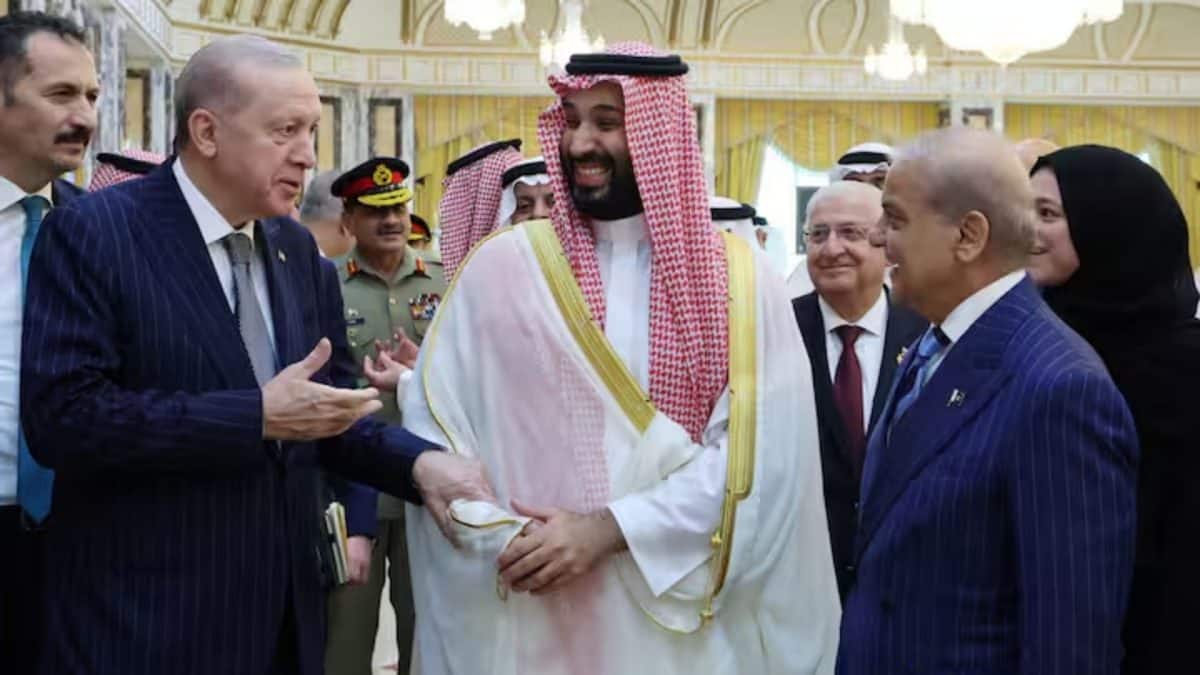
Mecca Defence Alliance Reshapes West Asian Security Calculus for India