

1 hr ago
BRICS Builds a Hedge Against Western Order Uncertainty
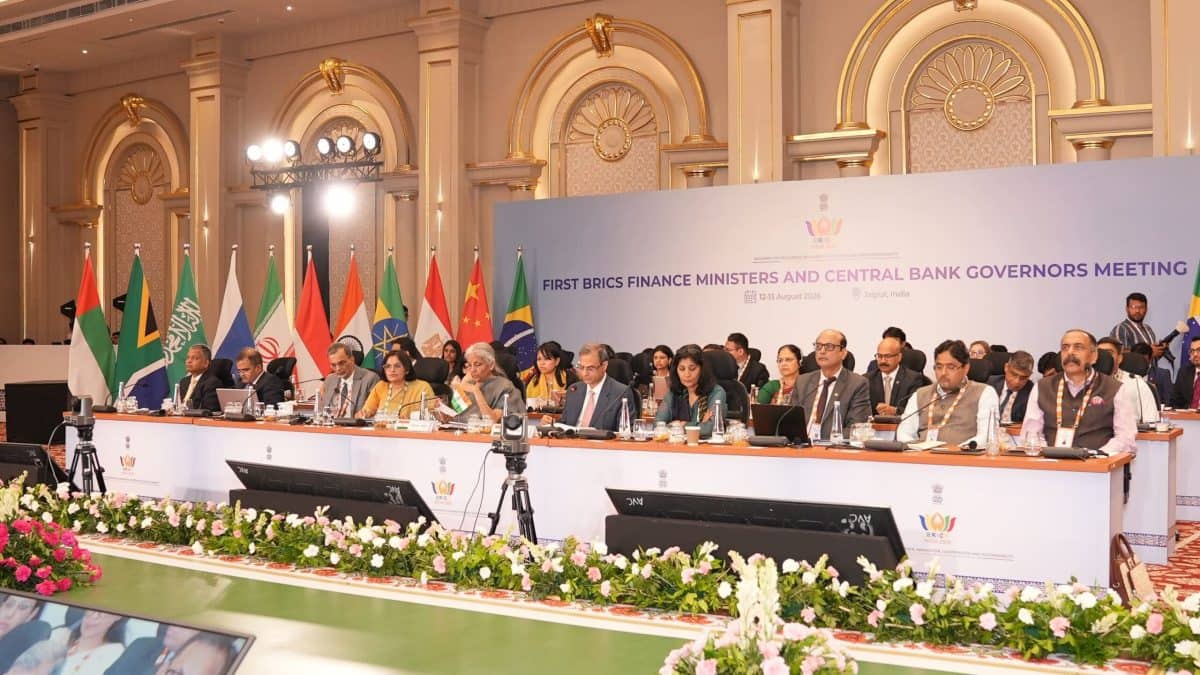
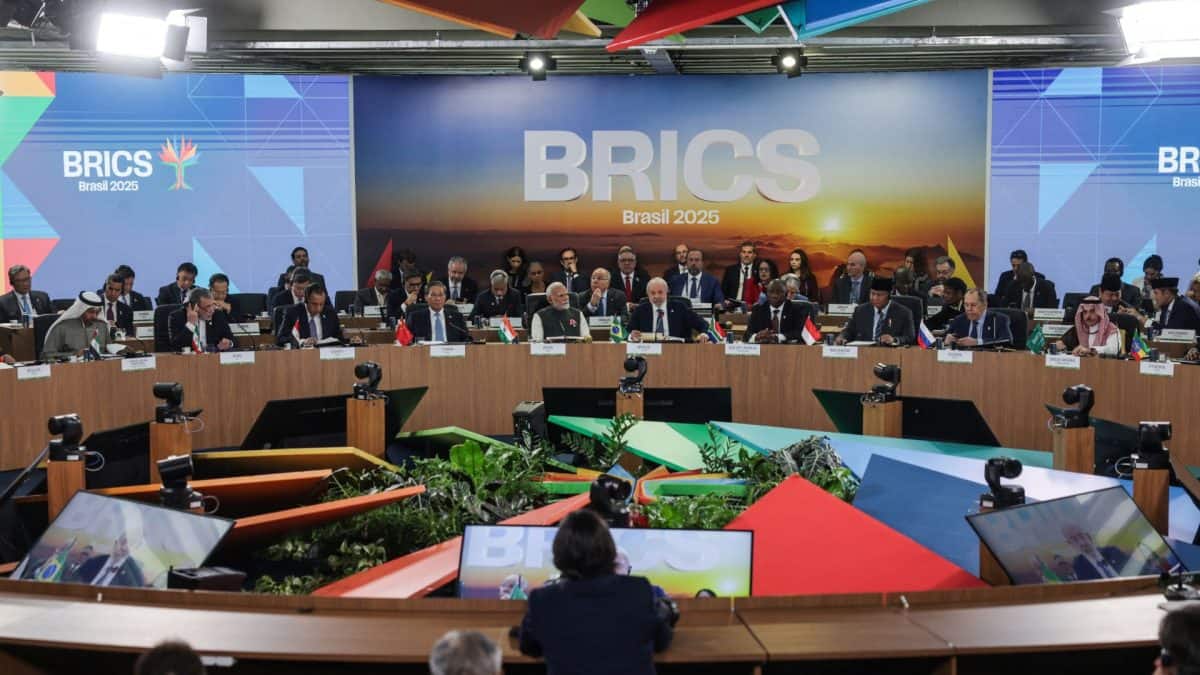
BRICS is a group of countries that is becoming more economically important.
The group is not necessarily trying to replace the Western-led system immediately.
Instead, many members appear to want a backup plan in case the current system becomes less reliable.
BRICS countries produce a large share of the world’s goods, energy and food.
Its New Development Bank lends money to development projects.
Some members are also trading with their own currencies instead of using the dollar.
More than 30 countries have applied or shown serious interest in joining.
However, the dollar remains the most important reserve currency.
Differences between China and India could make it difficult for BRICS to act as one united group.

BRICS+ now accounts for roughly 40% of global GDP by purchasing power and nearly half the world’s population.
The New Development Bank has approved about $40 billion for 122 projects, with more than half disbursed.
BRICS members are expanding local-currency trade and reducing reliance on the dollar in selected transactions.
More than 30 countries have formally applied or expressed serious interest in joining, with the wider pipeline reportedly exceeding 50.
BRICS has not displaced the dollar, and tensions between China and India may limit the group’s effectiveness.
- Who
- BRICS members, the G7 and more than 30 countries seeking or considering BRICS membership.
- What
- BRICS is developing financial institutions, local-currency payment channels and an expanded membership as a hedge against dependence on the Western-led order.
- Where
- Across BRICS member countries and their trade and financial relationships, with a BRICS summit discussed in New Delhi.
- When
- The trend has accelerated since 2022, with more than a quarter of intra-BRICS trade using local currencies by the end of 2024.
- Why
- Members are concerned about dependence on dollar-based institutions and the limited voting power of emerging economies in the Bretton Woods system.
BRICS as a Strategic Hedge
BRICS as a Limited Bloc
Purpose of BRICS
BRICS as a Strategic Hedge
BRICS provides countries with financial and diplomatic options if the Western-led order becomes less resilient or reliable.
BRICS as a Limited Bloc
The group lacks a common currency, shared ideology and strong institutions, making it difficult to operate as a unified alternative.
De-dollarization
BRICS as a Strategic Hedge
Local-currency trade, including Sino-Russian settlements and India-UAE transactions, shows that members are building practical alternatives to dollar dependence.
BRICS as a Limited Bloc
The dollar still dominates global reserves, the renminbi has only about 2% of reserves, and BRICS statements have avoided strong de-dollarization language.
Multipolarity
BRICS as a Strategic Hedge
The broad interest from countries across regions and political systems suggests BRICS is a cross-regional effort to preserve strategic choice rather than an anti-Western bloc.
BRICS as a Limited Bloc
China accounts for nearly two-thirds of BRICS’ combined GDP, raising concerns that the group could become Sino-centric, while China-India tensions may constrain cooperation.
Key facts
- BRICS+ share of global GDP
- Roughly 40% on a purchasing-power basis, compared with about 28% to 30% for the G7.
- BRICS population
- The 11 members represent nearly half of the world’s population.
- New Development Bank financing
- About $40 billion approved across approximately 122 projects, with more than half disbursed.
- Local-currency lending
- Around one-quarter of the New Development Bank’s lending book is in BRICS local currencies, with a target of 30% in 2026.
- BRICS membership interest
- More than 30 countries have formally applied or expressed serious interest; the broader pipeline is estimated at more than 50.
- Dollar reserves
- The dollar still accounts for 57% of global reserves, while the renminbi accounts for about 2%.
- IMF voting power
- Emerging and developing economies generate roughly 60% of global output but hold about 40% of IMF voting power.
Sources
Related news
India Seeks Practical BRICS Agenda Beyond Confronting West
Why Cooperation Between India and China Could Reshape BRICS
BRICS Expansion Puts Membership and Reform at New Delhi Summit
BRICS Faces Credibility Test Over De-dollarisation and China’s Influence
BRICS Evolves From Four-Economy Concept to 11-Member Platform
Bengal’s Durga Puja Draws Food and Political Battles
Ayurveda Day 2026 Campaign Links Tradition With Modern Healthcare
Japan Names Asian Games Squad for Historic India T20I
Leaders Honor Bhupen Hazarika on His 100th Birth Anniversary
