

2 hrs ago
BRICS Military Power Spans Major Forces Without Alliance
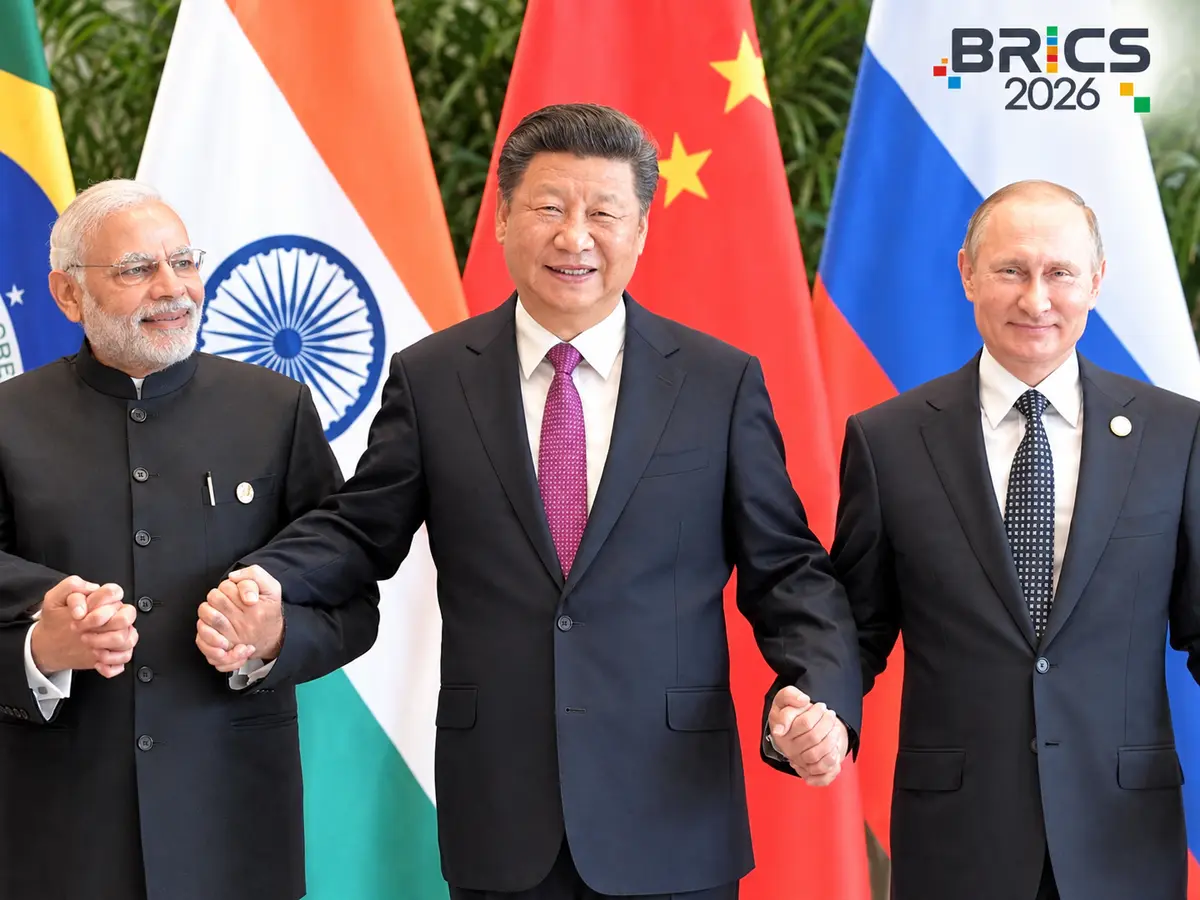
BRICS is a group of 11 countries that cooperate on political and diplomatic issues.
It is not a military alliance like NATO.
Several BRICS members have some of the world’s largest armies and defence industries.
Russia, China and India are ranked among the four strongest conventional military powers in the world.
China has the largest active military among the members, while Russia and Saudi Arabia are also major military spenders.
Together, some BRICS countries spent about $747 billion on defence in 2025.
However, the members do not always agree with one another.
Disagreements between India and China and between Saudi Arabia and Iran would make joint military action difficult.
They could still cooperate on areas such as defence technology, exercises, logistics, drones and space capabilities.

BRICS brings together 11 countries, including Russia, China and India, but has no collective-defence pact or NATO-style military structure.
Russia, China and India rank second, third and fourth globally in the 2026 Global Firepower assessment.
China, Russia, India, Saudi Arabia, Brazil, Indonesia and Iran together accounted for roughly $747 billion in 2025 military spending.
Members possess major military industries, large armed forces, missile capabilities, naval power and strategically important geography.
Competing interests, including India-China tensions and Saudi-Iran rivalry, make a unified BRICS fighting force unlikely for now.
- Who
- The 11 BRICS members: Brazil, Russia, India, China, South Africa, Egypt, Ethiopia, Indonesia, Iran, Saudi Arabia and the United Arab Emirates.
- What
- An assessment of BRICS members’ military capabilities, defence industries, spending and prospects for defence cooperation.
- Where
- The summit is described as being held in Delhi, while the members’ military capabilities span multiple regions, including Asia, Europe, Africa, the Middle East and Latin America.
- When
- The BRICS summit is described as taking place this weekend; the military rankings and spending figures cited are for 2025 and 2026 assessments.
- Why
- The group’s expansion has concentrated substantial military power and resources among its members, raising questions about whether they could cooperate more closely on defence.
Alliance Skeptics
Strategic Network Advocates
Prospects for a unified military force
Alliance Skeptics
BRICS members have competing interests and no treaty, secretariat or military structure, making a unified fighting force unlikely for now.
Strategic Network Advocates
The group does not need a unified army to become strategically consequential because its members already possess substantial combined manpower, industry, weapons and resources.
Political compatibility
Alliance Skeptics
India and China have an unresolved border dispute, Saudi Arabia and Iran have traditionally been rivals, and African members have competing regional priorities.
Strategic Network Advocates
Despite disagreements, members could pursue narrower areas of practical cooperation, including defence trade, military dialogue and technology partnerships.
Meaning of combined military power
Alliance Skeptics
Adding national military figures does not create a functioning alliance or common strategic capability.
Strategic Network Advocates
The combined figures show that BRICS already contains the ingredients of a major defence-industrial and strategic network.
Key facts
- BRICS membership
- 11 countries: Brazil, Russia, India, China, South Africa, Egypt, Ethiopia, Indonesia, Iran, Saudi Arabia and the United Arab Emirates.
- Collective-defence status
- BRICS has no treaty, military pact, regular bureaucracy or mutual-defence commitment comparable to NATO.
- Top Global Firepower rankings
- Russia ranks second, China third and India fourth in the 2026 assessment.
- Largest active force
- China has approximately 2.035 million active military personnel among BRICS members.
- Combined spending
- China, Russia, India, Saudi Arabia, Brazil, Indonesia and Iran accounted for roughly $747 billion in military expenditure in 2025.
- Major 2025 spender
- China’s military expenditure was estimated at $336 billion, followed by Russia at $190 billion and India at $92.1 billion.
- Potential cooperation
- Members could theoretically expand military dialogue, defence-industrial partnerships, joint research, exercises, logistics, space, drone and cyber cooperation.
Sources
Related news
India Seeks Practical BRICS Agenda Beyond Confronting West
Global Military Spending Hits Record as Europe Re-Arms, Asia Expands

India Hosts 2026 BRICS Summit Amid Global Tensions

India Hosts BRICS 2026 Amid US-Iran War Tensions
India Seeks BRICS Consensus Amid West Asia War, Sanctions Pressure
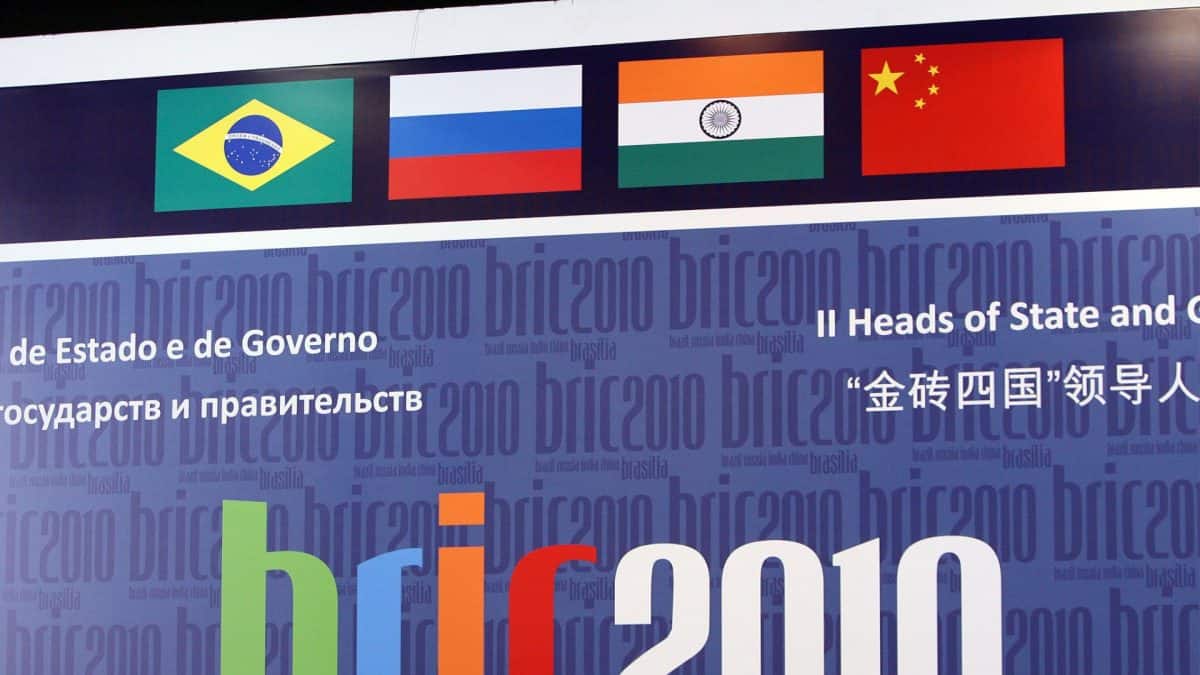
BRICS Expansion Puts Membership and Reform at New Delhi Summit
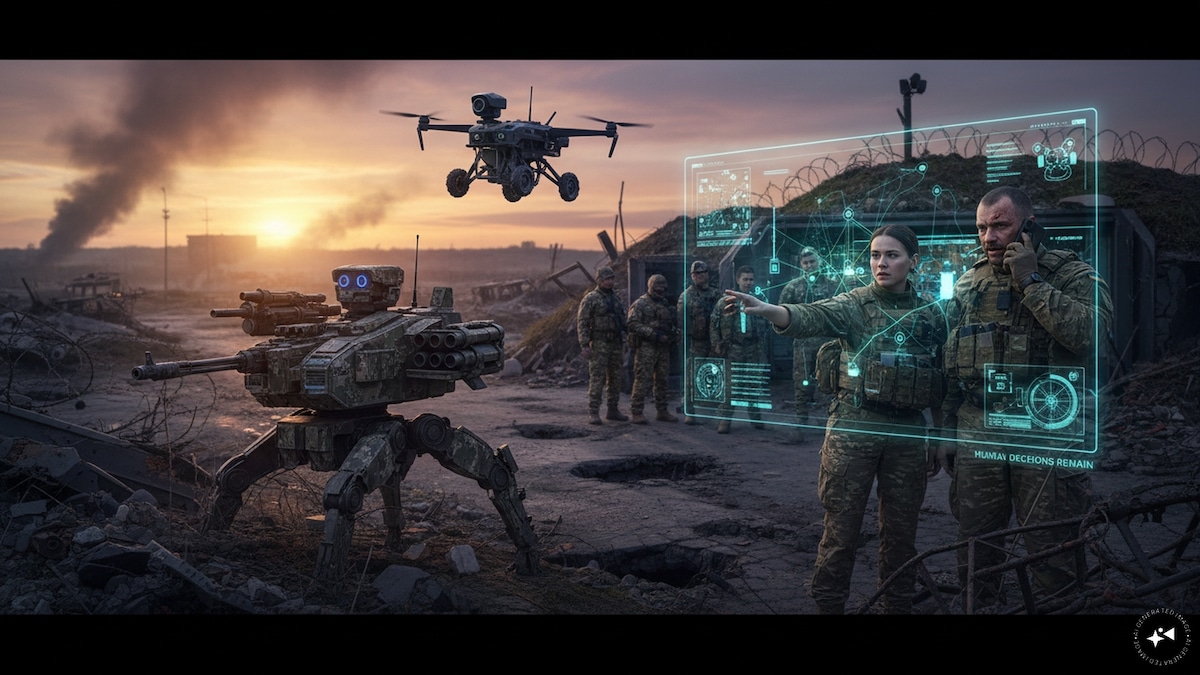
AI, Robotics and the Human Future of Warfare

Russia Says U.S. Missile Deployment to Norway Undermines Arms Talks
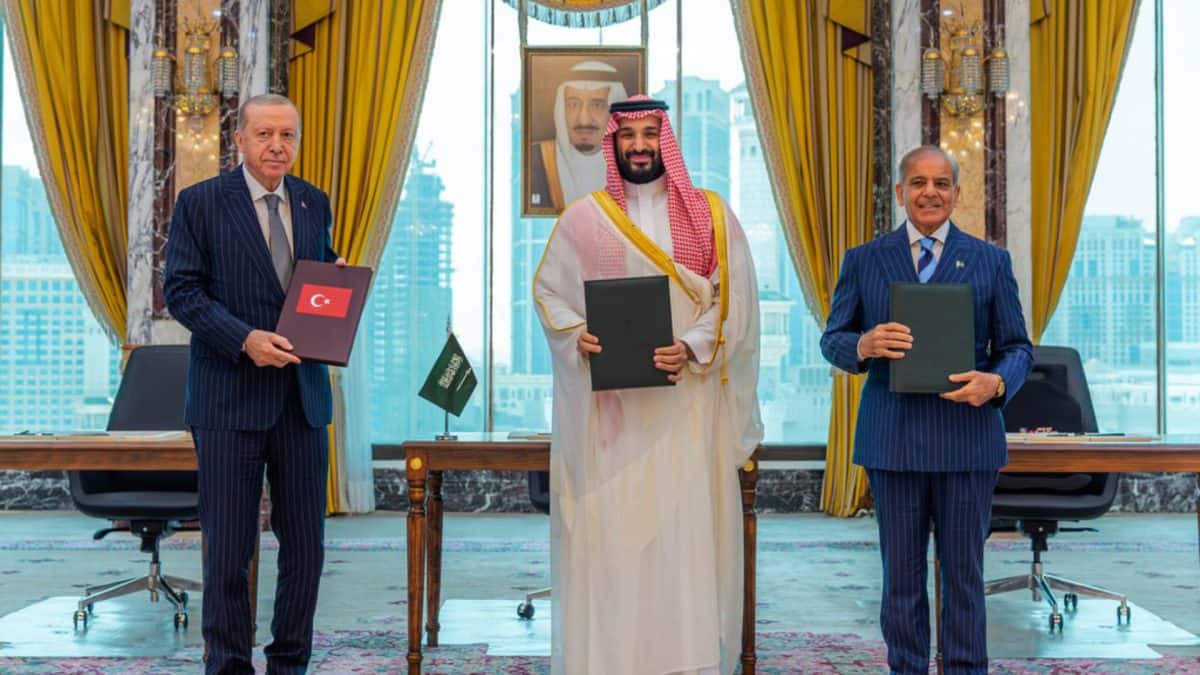
Mecca Pact Faces Questions Over Scope And Strategic Coherence
EU Unveils Greenland Investment Plan Amid Trump’s Control Push