1 week ago
Sajjan Kumar’s Death Reopens Debate Over How 1984 Is Remembered
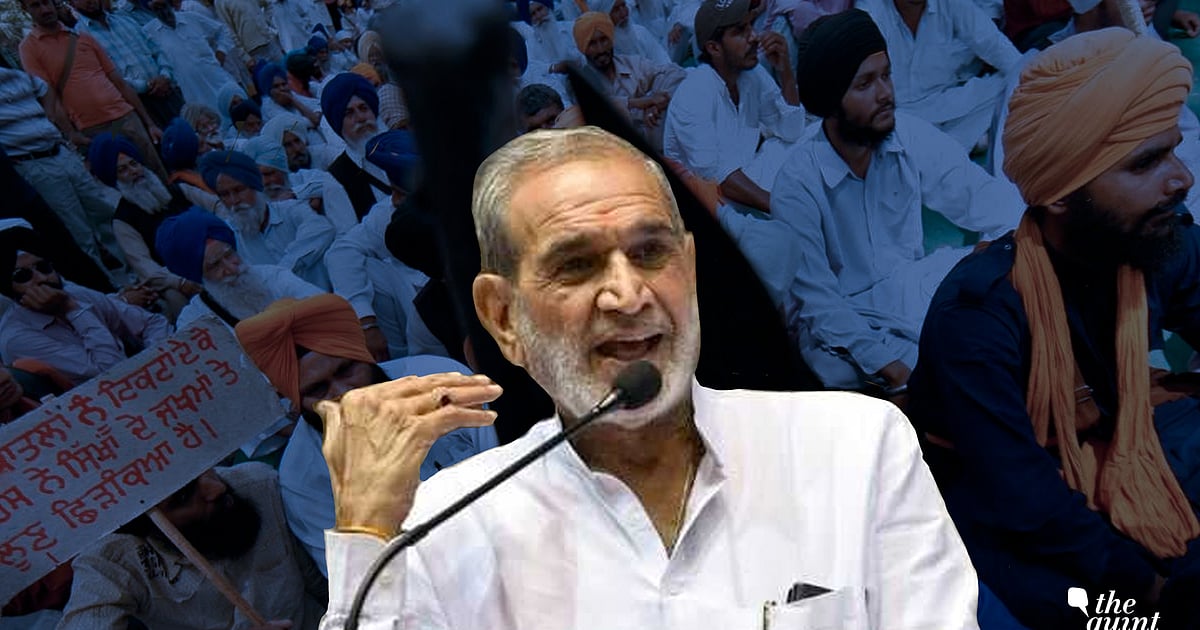
Sajjan Kumar was a former politician convicted over violence against Sikhs in 1984.
He died in prison while serving a life sentence.
His first major conviction came many years after the killings.
The article says some newspapers call the events “riots,” while others call them a massacre or pogrom.
These words can make people understand the same events in different ways.
“Riot” may sound like two groups simply fighting in disorder.
“Massacre” or “pogrom” puts more focus on people being targeted and killed.
Kumar’s death has therefore started another discussion about justice, responsibility and how 1984 should be remembered.

Sajjan Kumar died in prison while serving a life sentence for crimes connected to the killing of Sikhs in 1984.
His first major conviction came 34 years after the killings, while other cases resulted in acquittals.
The article argues that describing 1984 mainly as a “riot” can obscure targeted killings, political responsibility and state failures.
Some publications used terms such as “1984 Sikh Massacre,” while others retained “riot” in their framing.
Kumar’s death has renewed scrutiny of historical memory, delayed justice and the Congress party’s public regard for him.
- Who
- Sajjan Kumar, survivors of the 1984 anti-Sikh violence, journalists and the Congress party are central to the discussion.
- What
- Kumar’s death has renewed debate over his convictions, delayed justice and the terminology used to describe the 1984 violence.
- Where
- Kumar died in prison, and his appeal was due to be heard by the Delhi High Court.
- When
- Kumar died while legal proceedings continued into 2026; his appeal was reportedly scheduled for hearing on the day he died.
- Why
- The article argues that terminology such as “riot” may obscure targeted killings, political mobilisation, state failures and the victims’ experiences.
“Riot” Framing
“Massacre,” “Pogrom” or “Genocide” Framing
Meaning of the violence
“Riot” Framing
The term “riot” is used by much of the dominant media vocabulary and frames the events primarily as disorder or communal violence.
“Massacre,” “Pogrom” or “Genocide” Framing
The article argues that “massacre,” “pogrom” or “genocide” more directly emphasizes targeted killings, collective targeting and violence against Sikhs.
Historical emphasis
“Riot” Framing
A riot framing can suggest that two sides fought each other and may be treated as a familiar description of communal unrest.
“Massacre,” “Pogrom” or “Genocide” Framing
A stronger designation places greater emphasis on victims, political responsibility, organised violence and possible state complicity.
Approach to terminology
“Riot” Framing
Historians, lawyers and journalists may legitimately disagree over which term best describes the events.
“Massacre,” “Pogrom” or “Genocide” Framing
The article maintains that “riot” is not neutral merely because it has been repeated for decades and should be questioned in light of the killings and delayed justice.
Key facts
- Sajjan Kumar’s sentence
- He died in prison while serving a life sentence for crimes connected to the killing of Sikhs in 1984.
- First major conviction
- Kumar’s first major conviction came 34 years after the killings.
- Legal proceedings
- Other cases against him resulted in acquittals, while his legal proceedings continued into 2026.
- Scheduled appeal
- The Indian Express reported that Kumar’s appeal was due to be heard by the Delhi High Court on the day he died.
- Media terminology
- The Tribune and The Indian Express used “riot” in their framing, while Northlines referred to the “1984 Sikh Massacre” in its headline.
- Political response
- Congress figures and the Delhi Congress publicly mourned or praised Kumar despite his convictions, according to the article.
Sources
Related news
Sajjan Kumar’s Death Reopens India’s Unfinished 1984 Questions
Sajjan Kumar’s Legacy Keeps 1984 Dividing Congress and Sikhs
Sajjan Kumar Tribute Reopens Congress’s Unresolved 1984 Reckoning
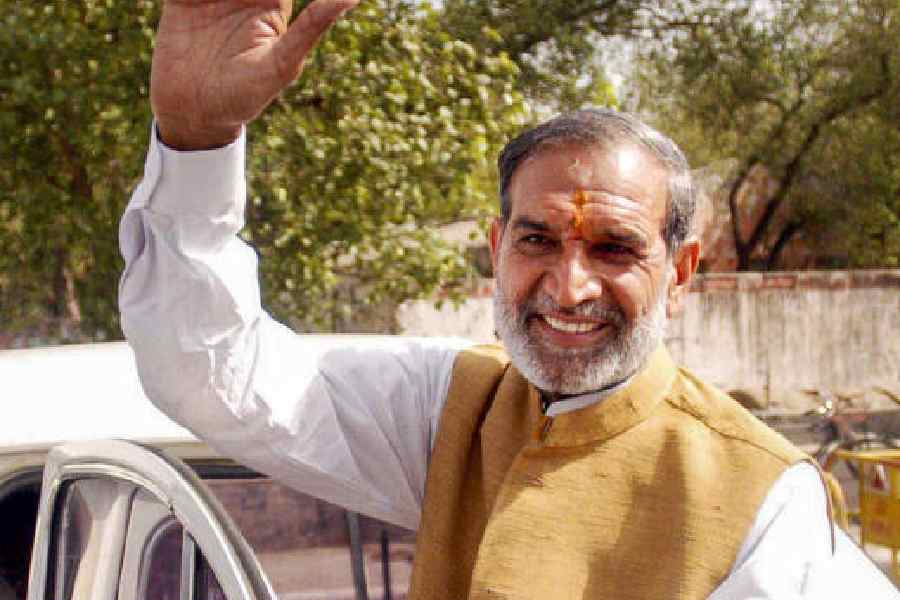
Former Congress MP Sajjan Kumar Dies During 1984 Riot Sentence

Sajjan Kumar Death Reignites Congress-BJP Row Over 1984 Riots

Sajjan Kumar Tribute Triggers Punjab BJP, AAP and Akali Backlash

Jogi Ramesh Defends Family Amid Conversion Dispute
Daughter-in-Law Accuses Family of Murder Attempts

Dharma Productions Relaunches Talent Arm
Ananya Panday's Success: Rajeev Masand on Breaking Barriers