1 week ago
Sajjan Kumar Tribute Reopens Congress’s Unresolved 1984 Reckoning
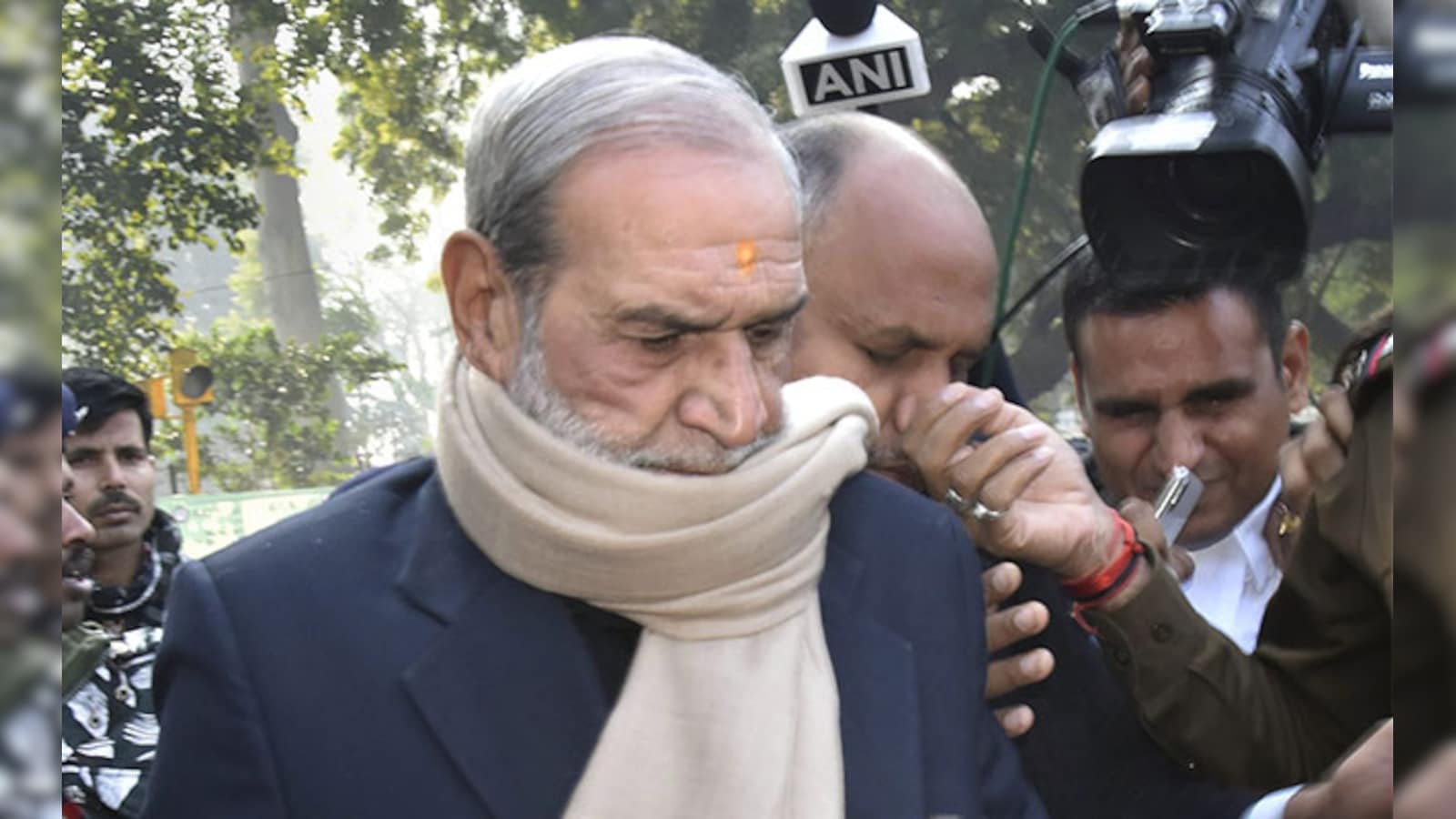
This opinion article discusses how some Congress figures reacted after Sajjan Kumar died in prison in August 2026.
A court had upheld his conviction for helping organize murders of Sikhs after Prime Minister Indira Gandhi was assassinated in 1984.
Deepender Hooda praised Kumar, and the Delhi Congress called him a noble person.
Many Sikh voices and families of people killed in 1984 said this was deeply hurtful.
Another Congress politician, Charanjit Singh Channi, called Kumar a killer and traitor.
The article says Congress has sometimes apologized for 1984 but has not spoken with one clear voice.
It also notes that Rahul Gandhi’s work at the Golden Temple made some Sikhs feel warmer toward him.
The writer argues that kind gestures cannot replace consistent action and honest accountability.
The article says India still lacks the genocide law that the Delhi High Court said was urgently needed.

The Delhi High Court upheld Sajjan Kumar’s conviction in 2018 for engineering the murder of Sikhs after Indira Gandhi’s assassination.
After Kumar died in prison in August 2026, Congress MP Deepender Hooda called his death an “irreparable loss” and praised his bond with Delhi’s people.
The Delhi Pradesh Congress Committee called Kumar a “noble soul,” prompting condemnation from Sikh leaders, victims’ families, and other Congress figures.
The article contrasts these tributes with Rahul Gandhi’s Golden Temple service and with past apologies by Manmohan Singh and Sam Pitroda.
It argues that the absence of a unified national apology and a genocide law allows political parties to revisit painful 1984-era controversies.
- Who
- Sajjan Kumar, Congress figures including Deepender Hooda, and Sikh victims’ families and representatives are central to the article.
- What
- A debate followed tributes to Sajjan Kumar after his death, reviving questions about Congress’s handling of the 1984 anti-Sikh violence.
- Where
- The events and political reactions described center on Delhi, with references to Punjab, the Golden Temple, and other Indian cities.
- When
- The Delhi High Court ruling was issued in December 2018; Kumar died in prison in August 2026; the article also refers to earlier statements and events from 2005, 2008, 2019, and 2021.
- Why
- The controversy arose because Kumar had been convicted in connection with the 1984 killings, while some Congress figures publicly honored him.
Critics and Victims’ Families
Congress Outreach and Supporters
Tributes to Sajjan Kumar
Critics and Victims’ Families
Critics argue that praising Sajjan Kumar dishonors Sikh victims and contradicts the Delhi High Court’s account of the 1984 violence.
Congress Outreach and Supporters
Deepender Hooda praised Kumar after his death, but later regretted the remarks; Gurjeet Singh Aujla and Charanjit Singh Channi rejected or condemned the tribute.
Symbolic reconciliation
Critics and Victims’ Families
The article argues that apologies, visits, and public gestures are inadequate without a unified acknowledgment of responsibility and concrete institutional action.
Congress Outreach and Supporters
The article notes that Rahul Gandhi’s service at the Golden Temple—preparing food, washing utensils, cleaning, and helping carry the palki—made some Sikhs more receptive to him.
Political memory
Critics and Victims’ Families
Sikh activists and families want the 1984 killings remembered consistently and object to what they see as political use of the tragedy.
Congress Outreach and Supporters
The article says some Sikh voters have continued supporting Congress, while also suggesting that negative portrayals of farmers during the 2020–21 farm agitation affected perceptions of the Bharatiya Janata Party.
Key facts
- Court ruling
- In December 2018, the Delhi High Court upheld Sajjan Kumar’s conviction.
- 1984 deaths
- The court cited official figures of 2,733 Sikhs killed in Delhi and nearly 3,350 across India.
- Kumar tribute
- Deepender Hooda called Kumar’s death an “irreparable loss” and praised his bond with Delhi’s people.
- Delhi Congress statement
- The Delhi Pradesh Congress Committee referred to Kumar as “punya atma,” translated in the article as “noble soul.”
- Public criticism
- Charanjit Singh Channi called Kumar a killer of Sikhs and a traitor, while Gurjeet Singh Aujla distanced Congress from Hooda’s remarks.
- Earlier apologies
- Manmohan Singh apologized in Parliament in 2005, and Sam Pitroda apologized for his 2019 “hua to hua” comment.
- Unfulfilled recommendation
- The Delhi High Court said India urgently needed a law addressing genocide and crimes against humanity; the article says no such law has followed.
Quotes

Sam Pitroda
A close aide of the Gandhi family who commented on the 1984 massacre in 2019.
“we say sorry”
 NDTV
NDTV
“hua to hua”
NDTV
Sources
Related news
Sajjan Kumar Tribute Triggers Punjab BJP, AAP and Akali Backlash
Punjab Congress Rejects Praise for Sajjan Kumar Amid Backlash
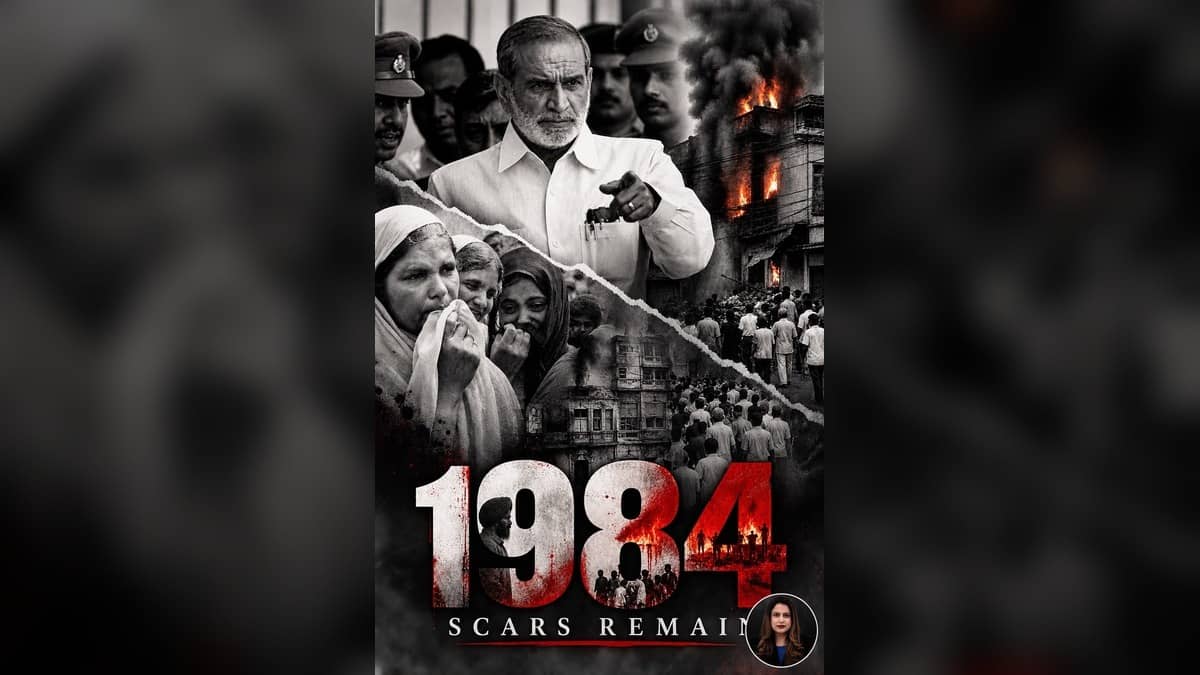
Sajjan Kumar’s Death Reopens India’s Unfinished 1984 Questions
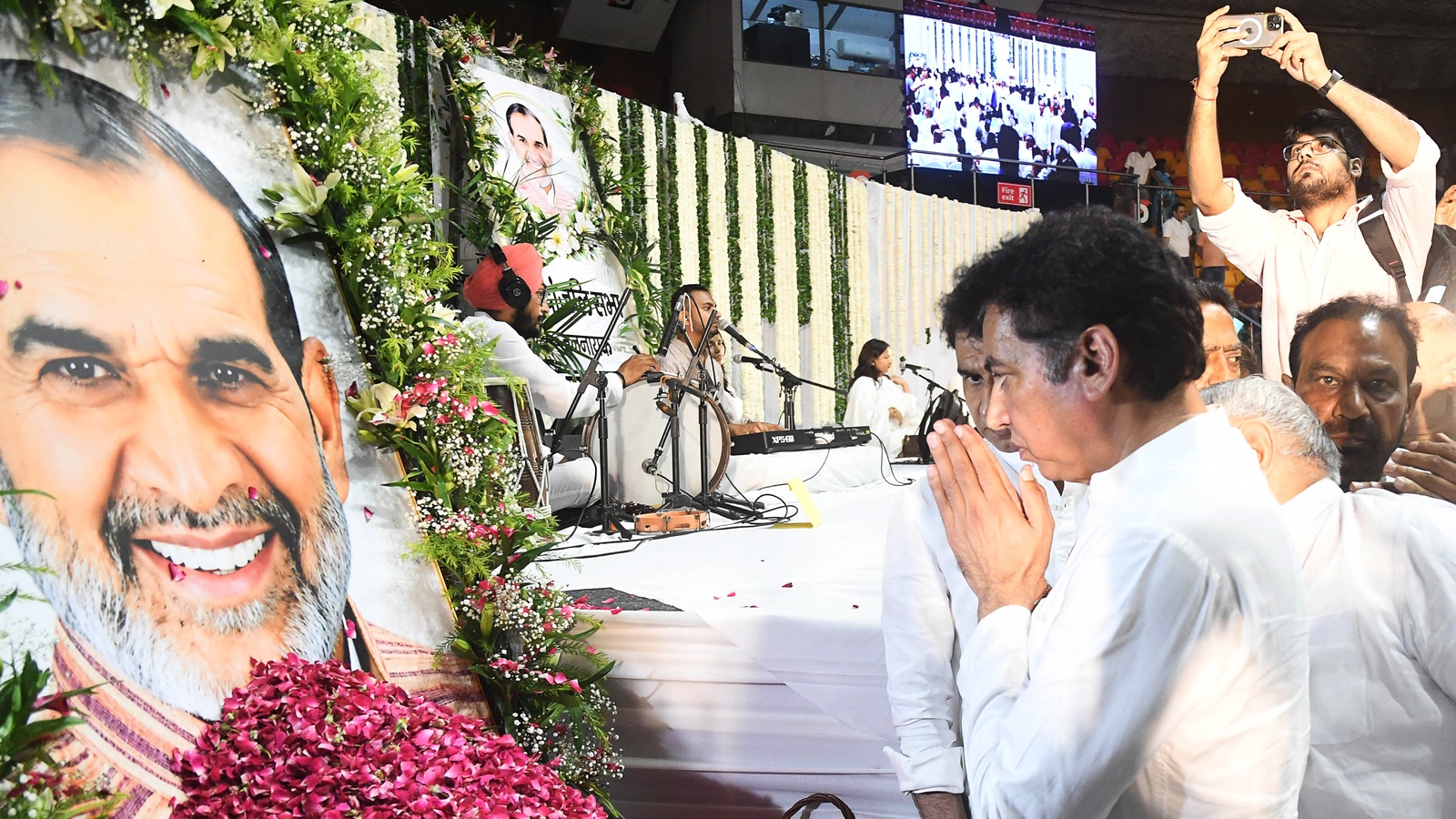
Sajjan Kumar Condolence Meet Draws Crowds, Political Controversy
Hooda Denies Sajjan Kumar Praise as Congress Seeks Action

Sikhs Protest Rahul Gandhi’s Home Over Sajjan Kumar Remarks

Government Defends 7.8% GDP Growth as Congress Raises Doubts
Kerala BJP Chief Attacks IUML Over Sharia Law Allegations
BJP, Karni Sena Criticize Swara Bhasker’s Padmaavat Comments
Akhilesh Yadav Questions Irregularities After Ram Temple CEO Appointment
Jharkhand Authorities Probe Voter Deletion Forms After Express Report