

6 days ago
Sajjan Kumar’s Legacy Keeps 1984 Dividing Congress and Sikhs
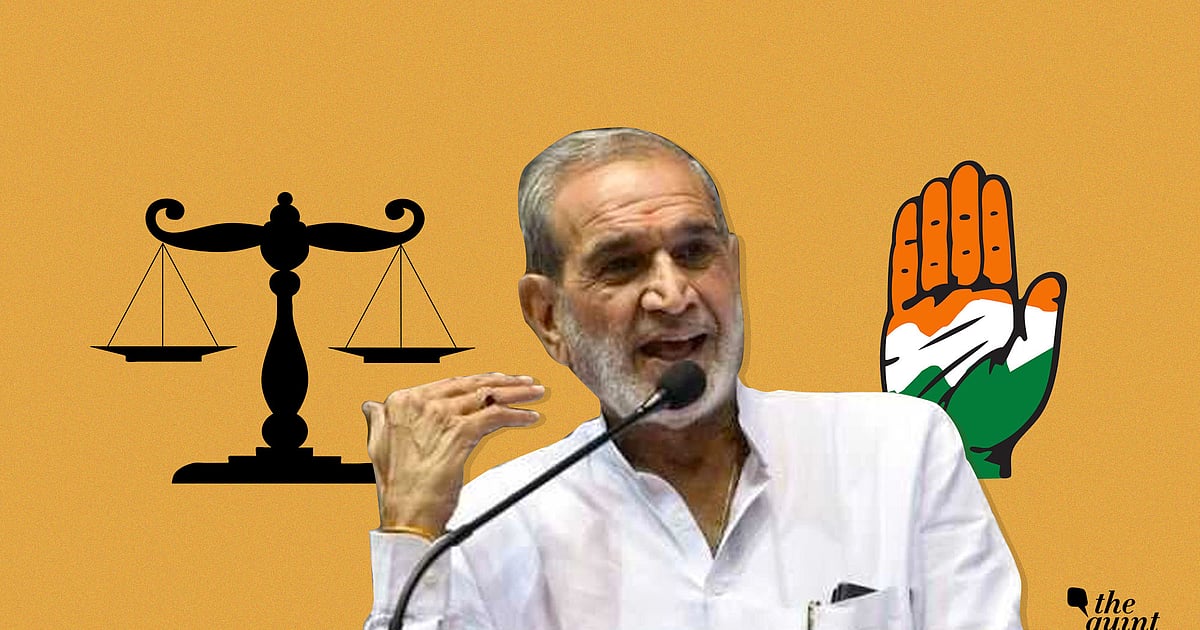
The article says that the violence of 1984 still causes pain for many Sikh families.
It focuses on Sajjan Kumar, who was convicted in connection with the violence.
Some people in Punjab may like Rahul Gandhi or support the Congress.
But that does not mean they have forgotten what happened in 1984.
They may feel hurt when someone linked to that period is praised.
The article says showing kindness to a dead person’s family is different from celebrating his political record.
It also says the words used to describe the violence matter.
Calling it a “pogrom” suggests targeted violence more strongly than calling it a “riot.”

Sajjan Kumar’s death and subsequent public tributes have renewed debate over how the Congress addresses the legacy of 1984.
Many people in Punjab, including Sikhs, may support Rahul Gandhi or the Congress while still rejecting praise for figures associated with the violence.
The Delhi High Court’s 2018 judgment convicting Sajjan Kumar examined alleged roles of political actors, law-enforcement agencies and the prolonged failure to prosecute those responsible.
The article argues that sympathy for a deceased person’s family differs fundamentally from celebrating that person’s political legacy.
It also questions the continued description of the violence as “anti-Sikh riots,” arguing that “pogrom” better conveys claims of targeted and organised violence.
- Who
- Sajjan Kumar, the Congress, Rahul Gandhi, Sikh families and the Delhi High Court are central to the discussion.
- What
- Public reaction to Sajjan Kumar’s death and the debate over the Congress’s handling and description of the 1984 anti-Sikh violence.
- Where
- The political and social impact is discussed primarily in Delhi and Punjab.
- When
- The debate concerns events in 1984, the Delhi High Court’s 2018 conviction judgment, and reactions following Sajjan Kumar’s death.
- Why
- Because public praise for a person associated with 1984 is seen by critics as conflicting with the memory, dignity and pursuit of justice of affected families.
Critics of Political Rehabilitation
Defenders of Human Sympathy and Political Distinction
Tributes to Sajjan Kumar
Critics of Political Rehabilitation
Publicly celebrating Sajjan Kumar’s political legacy can insult families affected by the 1984 violence and reopen questions about justice.
Defenders of Human Sympathy and Political Distinction
Offering sympathy to the family of a deceased person is a human response, although the article distinguishes this from celebrating his political record.
Congress’s relationship with Sikhs
Critics of Political Rehabilitation
The Congress must demonstrate through its language and choices that it has different moral boundaries from the party associated with 1984.
Defenders of Human Sympathy and Political Distinction
Support for Rahul Gandhi or the Congress can reflect present-day political judgments and does not necessarily mean supporters have forgotten or excused 1984.
Description of the violence
Critics of Political Rehabilitation
Critics argue that “pogrom” more accurately describes targeted and organised violence against Sikhs than “riot.”
Defenders of Human Sympathy and Political Distinction
Much media coverage continues to use the term “anti-Sikh riots,” which the article presents as an enduring framing rather than an agreed resolution of the terminology debate.
Key facts
- Central figure
- Sajjan Kumar, who was convicted by the Delhi High Court in connection with the 1984 violence.
- Judgment
- The Delhi High Court convicted Sajjan Kumar in a 2018 judgment.
- Political issue
- The article questions whether today’s Congress has sufficiently distinguished itself from the Congress of 1984.
- Punjab’s response
- The article says some people in Punjab, including Sikhs, view Rahul Gandhi or the Congress favorably while retaining strong feelings about 1984.
- Tributes
- The article distinguishes expressing sympathy for a deceased person’s family from celebrating his political legacy.
- Terminology
- It contrasts “riot,” which can imply a spontaneous clash, with “pogrom,” which conveys targeted and organised violence.
- Long-term concern
- The article says justice being delivered does not necessarily mean justice is felt by affected communities.
Sources
Related news
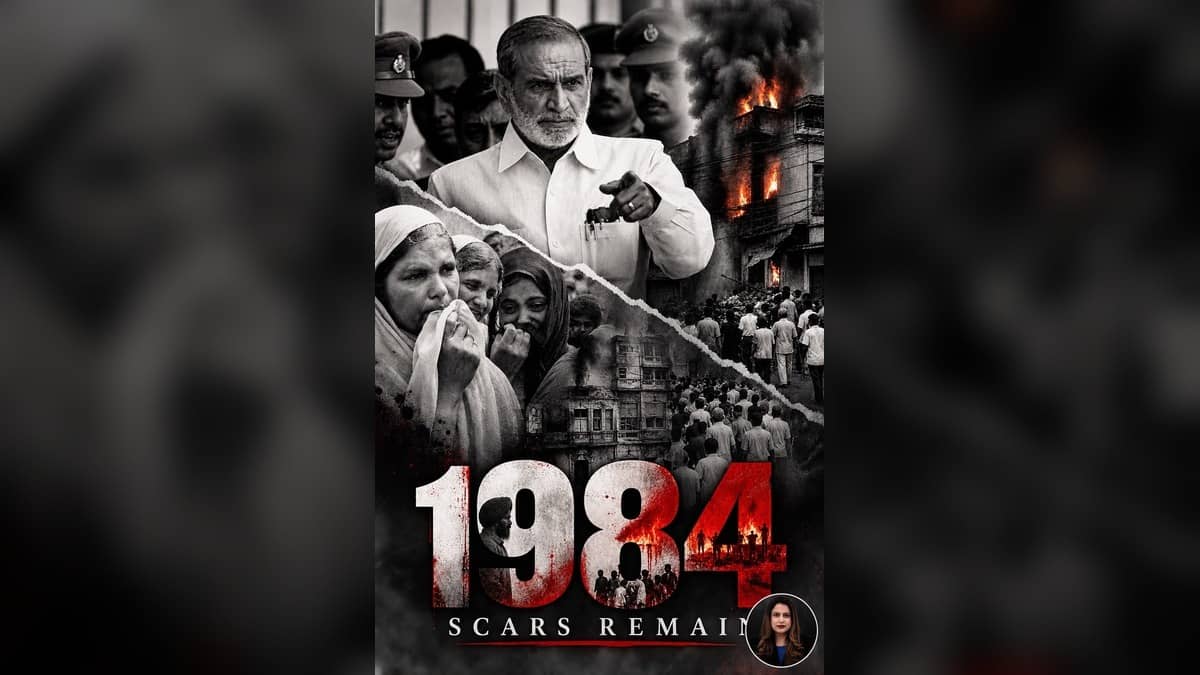
Sajjan Kumar’s Death Reopens India’s Unfinished 1984 Questions
Sajjan Kumar Tribute Triggers Punjab BJP, AAP and Akali Backlash
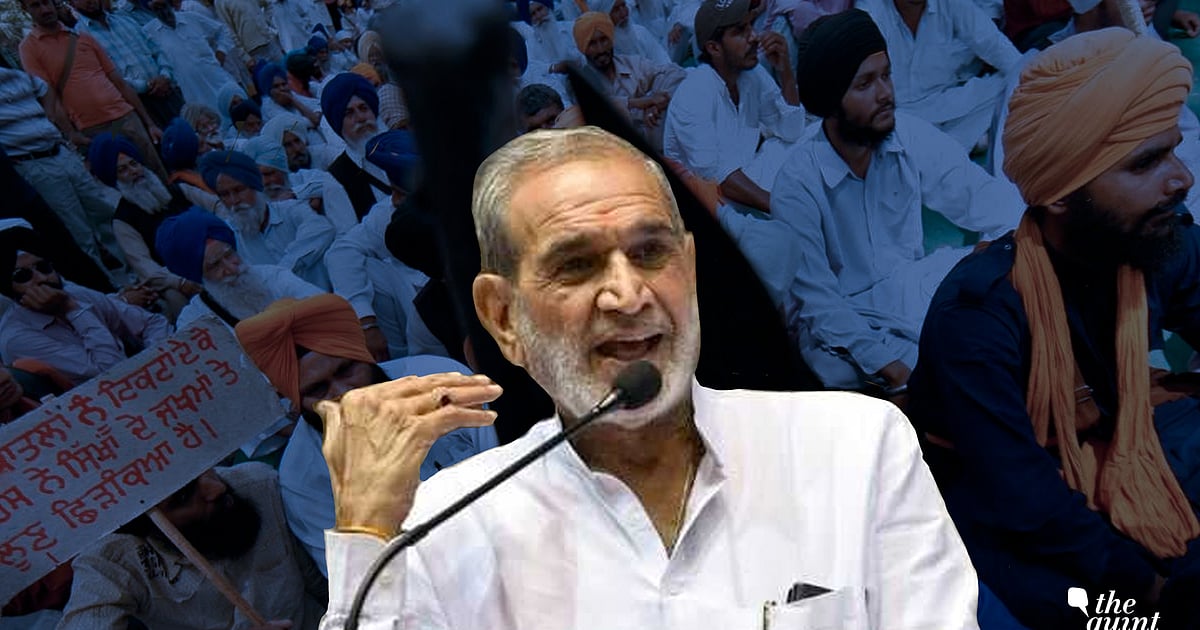
Sajjan Kumar’s Death Reopens Debate Over How 1984 Is Remembered
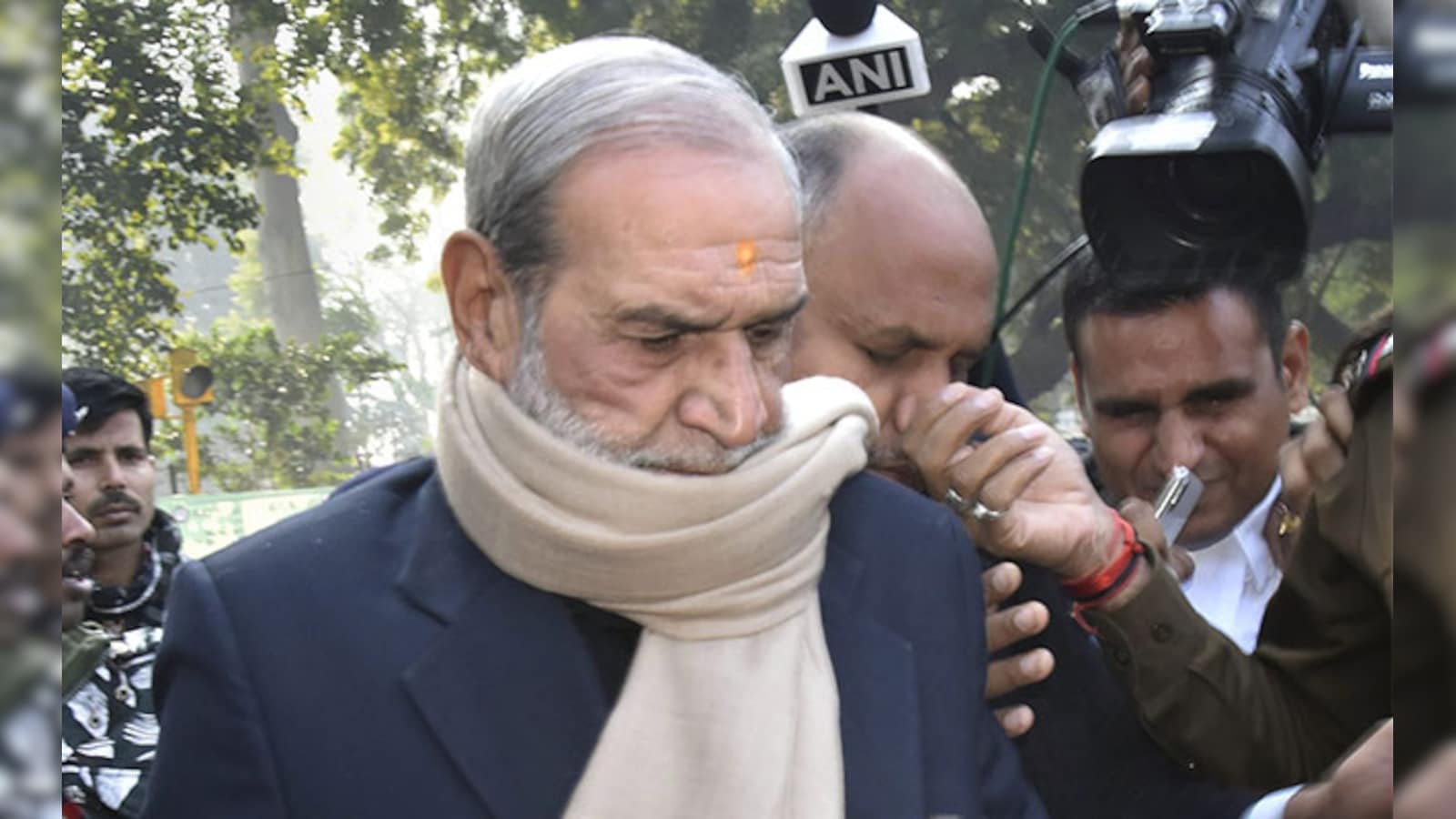
Sajjan Kumar Tribute Reopens Congress’s Unresolved 1984 Reckoning

Sikhs Protest Rahul Gandhi’s Home Over Sajjan Kumar Remarks
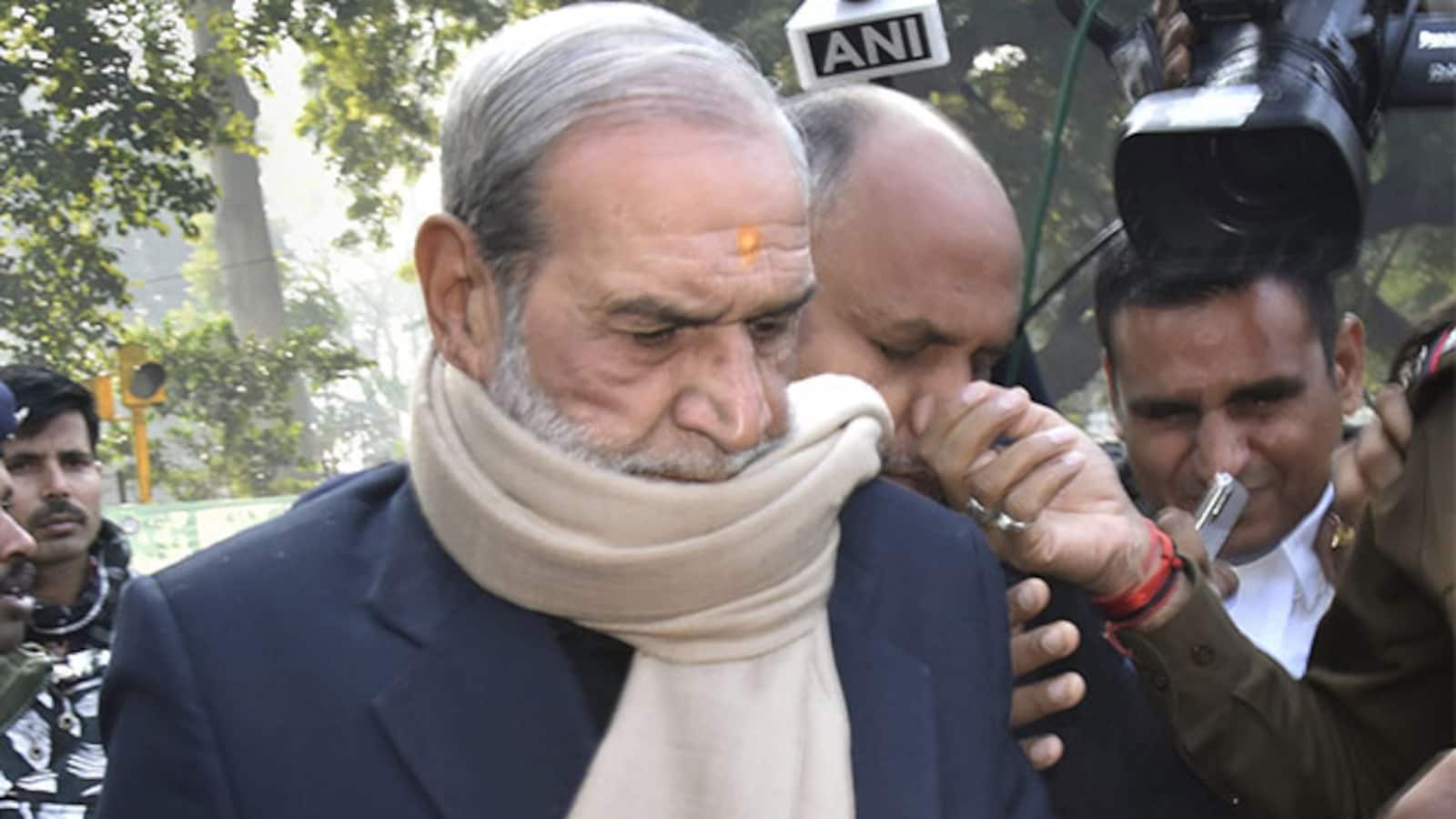
Punjab Congress Rejects Praise for Sajjan Kumar Amid Backlash

BJP, AAP Clash Over 1984 Riots and Justice Claims
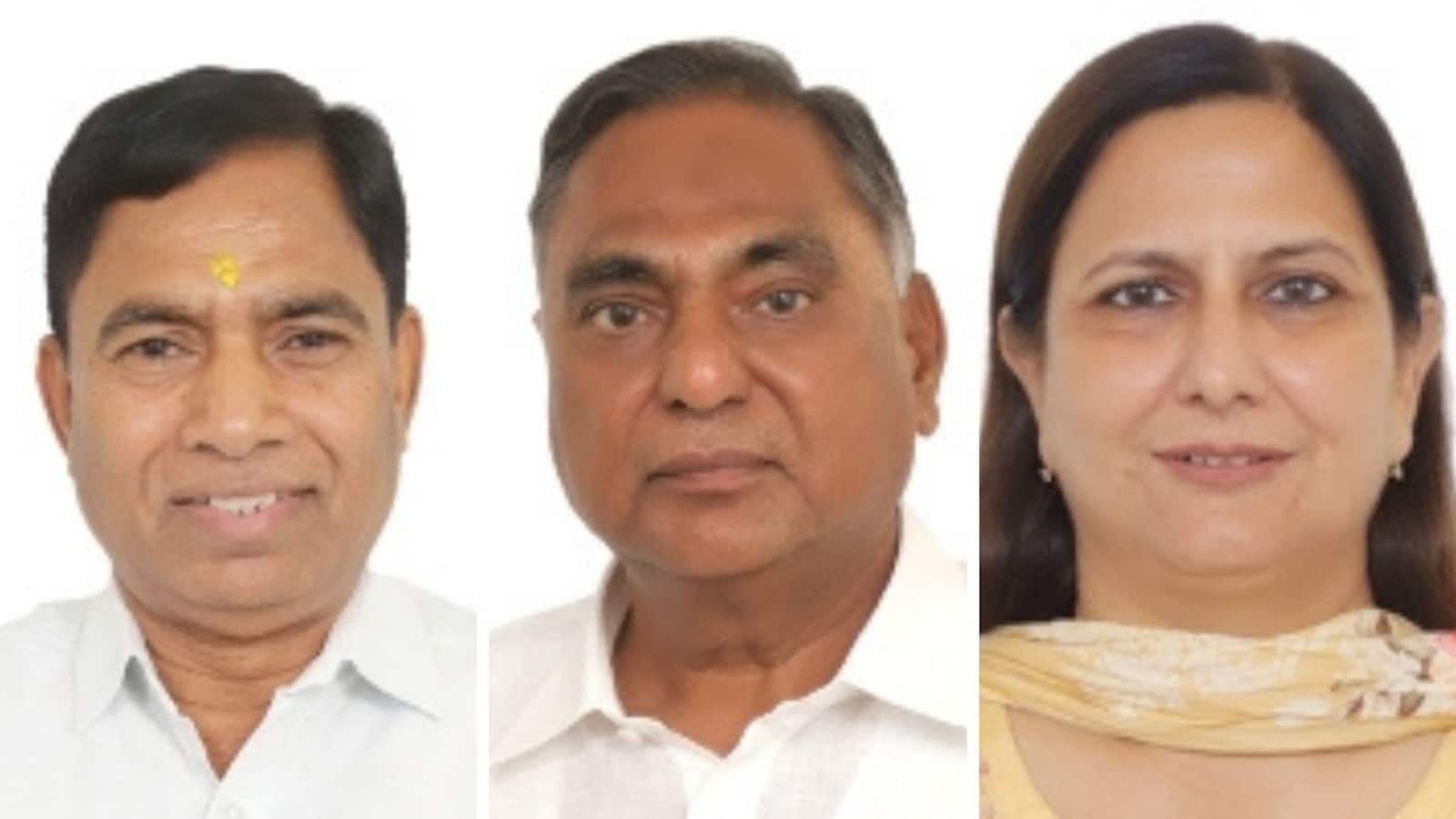
BJP MPs’ Sajjan Kumar Visit Sparks Condemnation and Reprimand
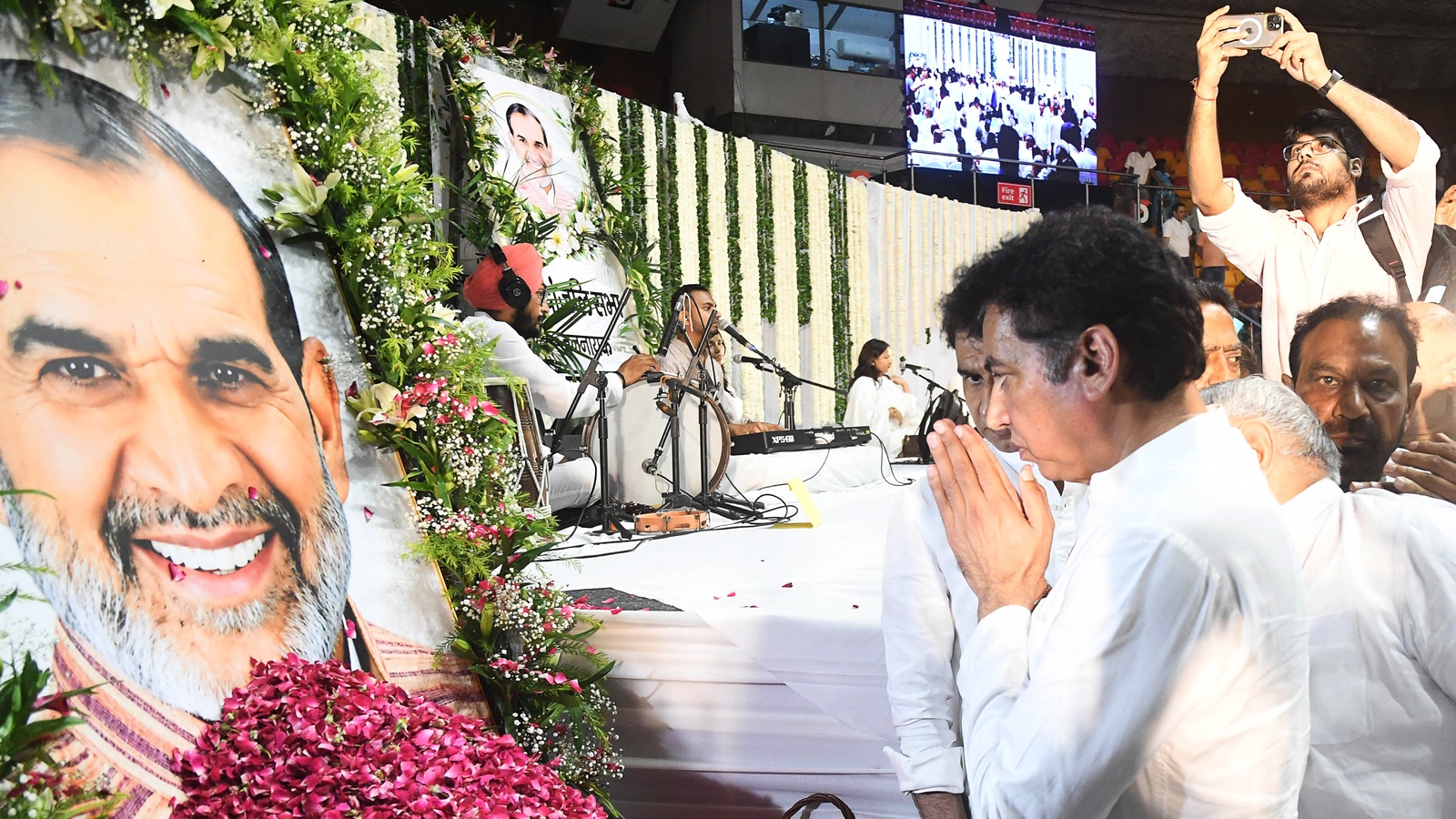
Sajjan Kumar Condolence Meet Draws Crowds, Political Controversy
BJP Reprimands Three MPs Over Sajjan Kumar Condolence Visit

BJP Chief Reprimands Three MPs Over Sajjan Kumar Visit
