

1 week ago
Sajjan Kumar’s Death Reopens India’s Unfinished 1984 Questions
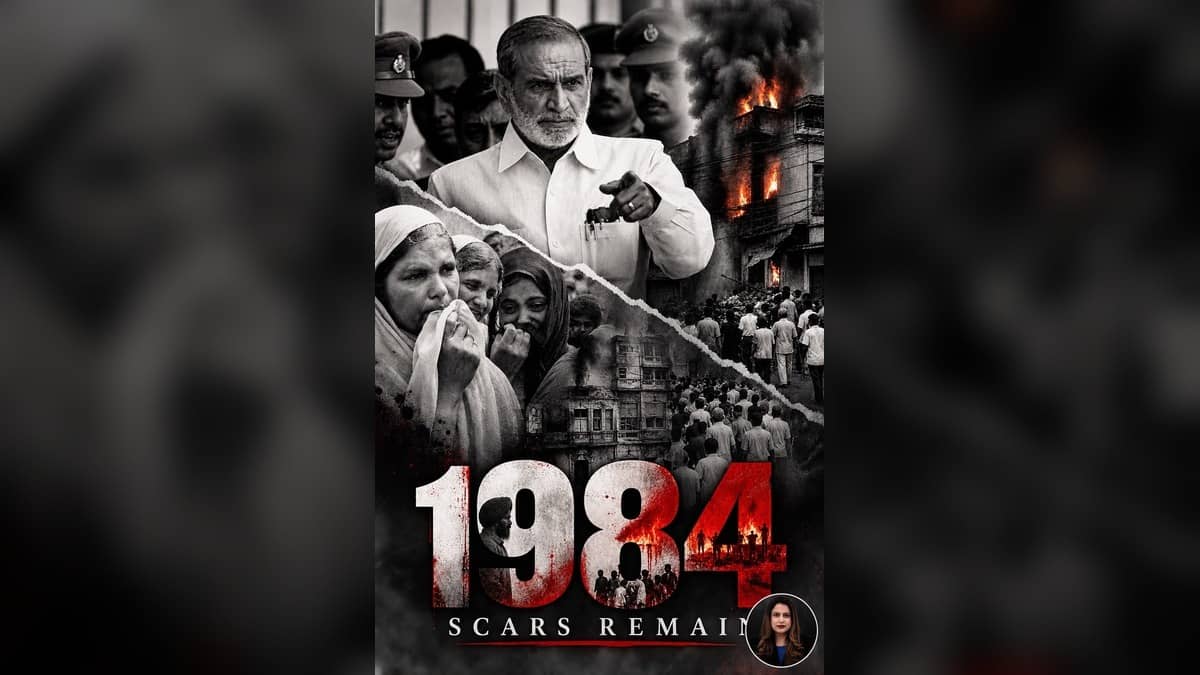
The 1984 violence targeted Sikh families in India, and many people were killed or forced to leave their homes.
Sajjan Kumar was a major Congress politician who was later convicted in two cases connected to the violence.
He received life sentences and died in prison on August 20, 2026.
His death ended one part of a very long legal process.
However, many families are still asking why justice took so long.
The article says 3,325 people were killed across India.
It also says that only 39 of 650 Delhi cases led to convictions.
A Congress leader praised Kumar after his death, while Punjab Congress said those were his personal views.
The article argues that Congress still needs to explain how it remembers the violence and its victims.

Sajjan Kumar was convicted in two separate 1984 anti-Sikh violence cases and sentenced to life imprisonment.
He received a life sentence in 2018 for the Raj Nagar killings and gurdwara burning.
In February 2025, he received another life sentence for killing Jaswant Singh and Tarundeep Singh.
Kumar died on August 20, 2026, while serving his sentence in Tihar prison.
The article says 3,325 people were killed nationwide, while only 39 of Delhi’s 650 registered cases resulted in convictions.
- Who
- Sajjan Kumar, victims and families of the 1984 anti-Sikh violence, Congress leaders, lawyers and activists involved in the cases.
- What
- Kumar’s death has renewed debate about the delayed legal response to the 1984 violence and the Indian National Congress’s political memory of it.
- Where
- The cases and reporting described in the article center on Delhi, including Raj Nagar, Saraswati Vihar, Karkardooma court and Tihar prison.
- When
- The violence occurred in 1984; Kumar was convicted in 2018 and February 2025, and died on August 20, 2026.
- Why
- The article says questions remain because of the long delays, limited convictions and continued political disagreements over accountability and remembrance.
Accountability and victim-centered remembrance
Political praise and limited party distancing
How Kumar should be remembered
Accountability and victim-centered remembrance
The article argues that praising a politician convicted in two 1984 cases can cause further pain to families who spent decades seeking justice.
Political praise and limited party distancing
Congress MP Deepender Singh Hooda praised Kumar as an exemplary political figure and national role model; Punjab Congress later said those remarks represented his personal views.
Congress’s responsibility
Accountability and victim-centered remembrance
The article says Congress owes the country an answer about its political memory of 1984 and notes that Rahul Gandhi acknowledged in 2014 that some Congressmen were probably involved but did not apologize on behalf of the party.
Political praise and limited party distancing
The party’s stated position in the article is represented by Punjab Congress’s distancing from Hooda’s remarks and reaffirmation of solidarity with victims.
Meaning of the convictions
Accountability and victim-centered remembrance
The convictions are presented as part of the judicial record and as evidence that accountability eventually occurred after decades of delay.
Political praise and limited party distancing
The article emphasizes that the convictions and Kumar’s death resolve only one chapter, leaving broader questions about the violence, investigations and political responsibility unresolved.
Key facts
- Reported deaths
- 3,325 people were killed across India, including 2,733 in Delhi, according to the article.
- Delhi cases registered
- The Delhi Police registered 650 cases.
- Delhi chargesheets
- Chargesheets were filed in 362 of those cases.
- Delhi convictions
- 39 cases resulted in convictions.
- Delhi acquittals
- 323 cases ended in acquittals.
- Untraced cases
- 267 cases were classified as untraced.
- Sajjan Kumar’s sentences
- He received life imprisonment in the 2018 Raj Nagar case and another life term in February 2025 in the Saraswati Vihar case.
Quotes

Rahul Gandhi
Congress leader responding in a 2014 interview about the involvement of Congress members in the 1984 violence
“some Congressmen were probably involved”
 republicworld.com
Sources
Related news
Sajjan Kumar’s Legacy Keeps 1984 Dividing Congress and Sikhs
Sajjan Kumar’s Death Reopens Debate Over How 1984 Is Remembered
Former Congress MP Sajjan Kumar Dies During 1984 Riot Sentence
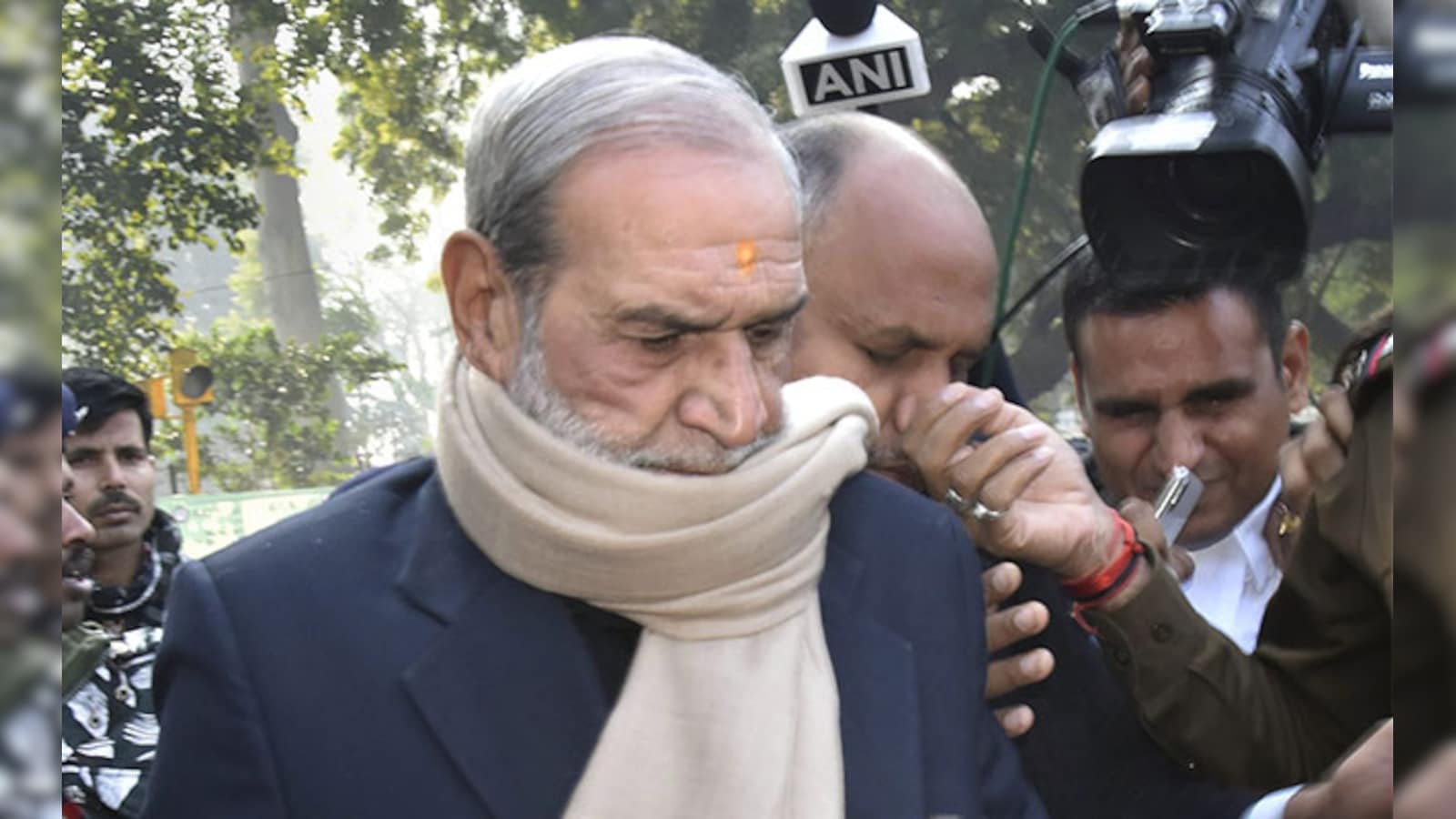
Sajjan Kumar Tribute Reopens Congress’s Unresolved 1984 Reckoning
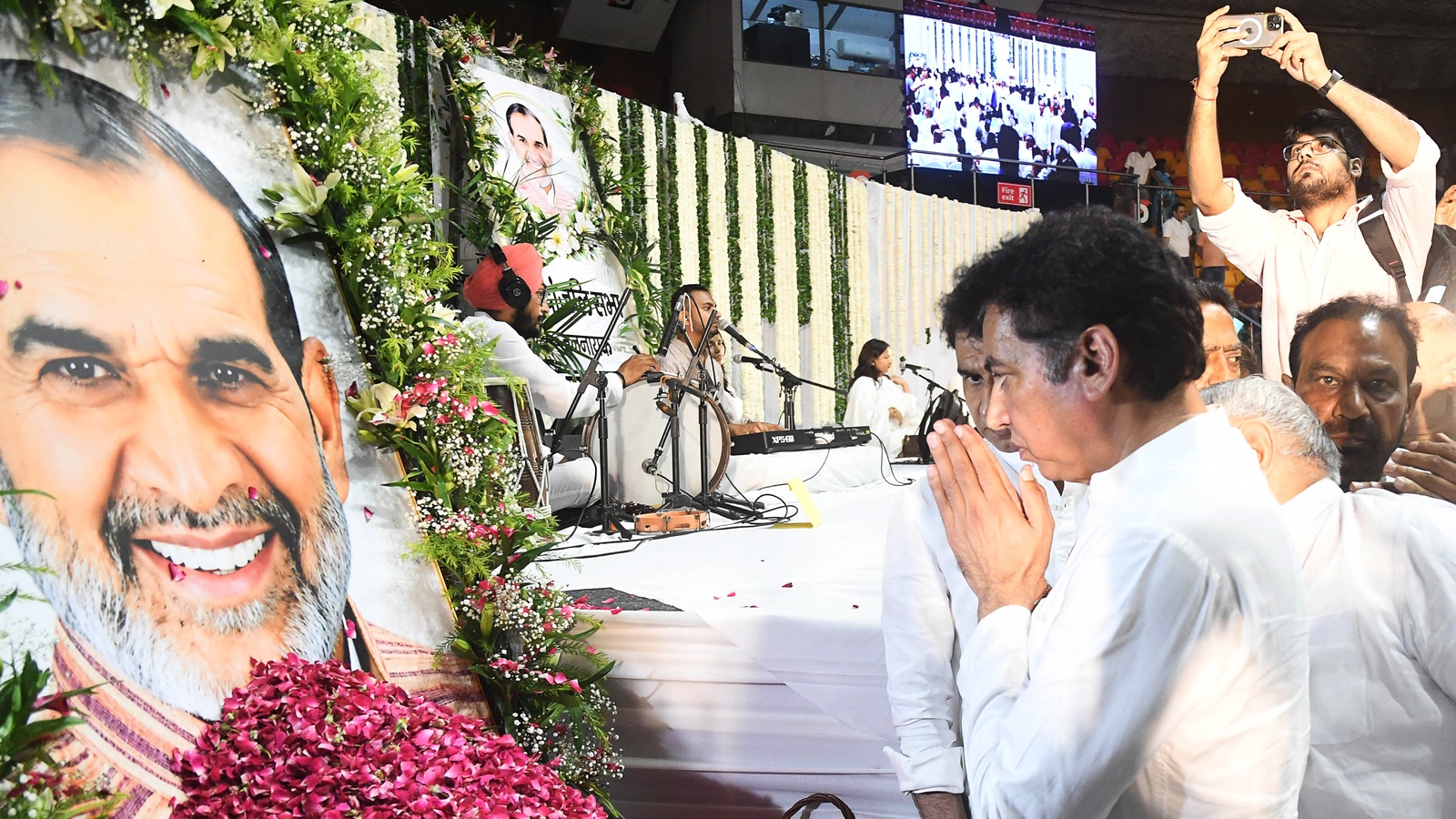
Sajjan Kumar Condolence Meet Draws Crowds, Political Controversy
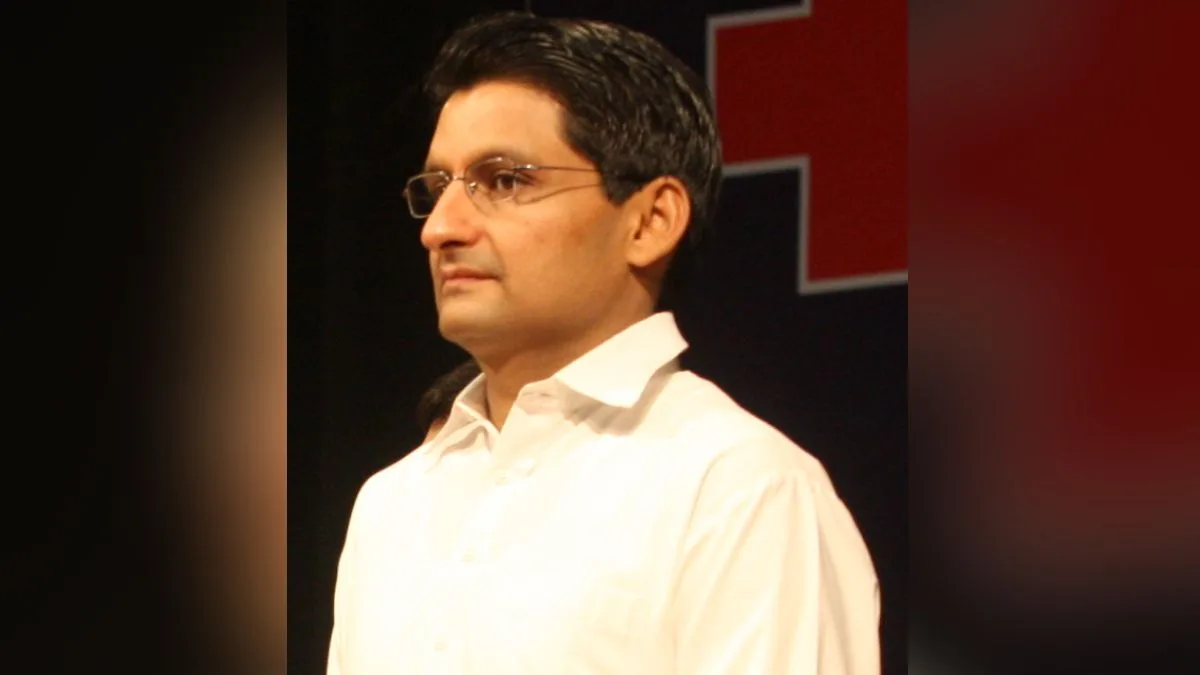
Sajjan Kumar Tribute Triggers Punjab BJP, AAP and Akali Backlash

BJP, AAP Clash Over 1984 Riots and Justice Claims
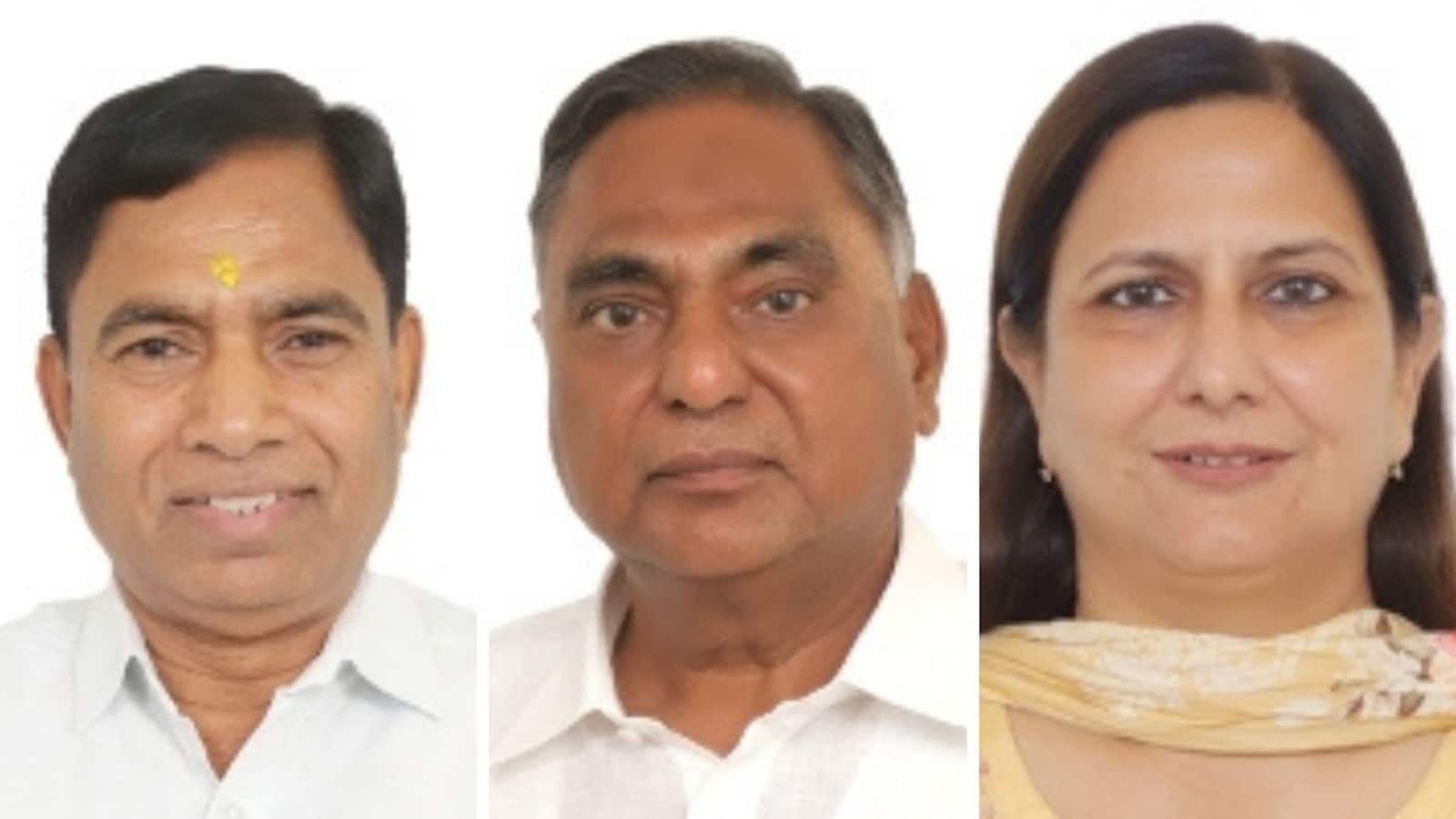
BJP MPs’ Sajjan Kumar Visit Sparks Condemnation and Reprimand
BJP Reprimands Three MPs Over Sajjan Kumar Condolence Visit

BJP Chief Reprimands Three MPs Over Sajjan Kumar Visit
