2 hrs ago
Letters Debate Faith, History, Diplomacy and Climate Responsibility

The letters page contains several people’s opinions about different subjects.
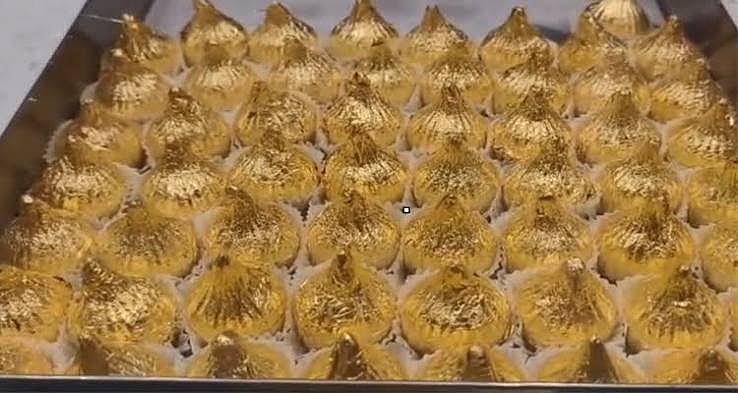
One writer says expensive golden sweets cannot buy religious blessings.
Another writer corrects a reported detail about when Ketaki Kushari Dyson’s first poetry book was published.
Other writers praise India’s discussions with countries including China and Russia at BRICS.
They also say promises made by BRICS must lead to real results.
Some readers believe Bengali historians who are less famous should be remembered more.
Another letter says poor countries suffer greatly from climate change even when they caused fewer emissions.
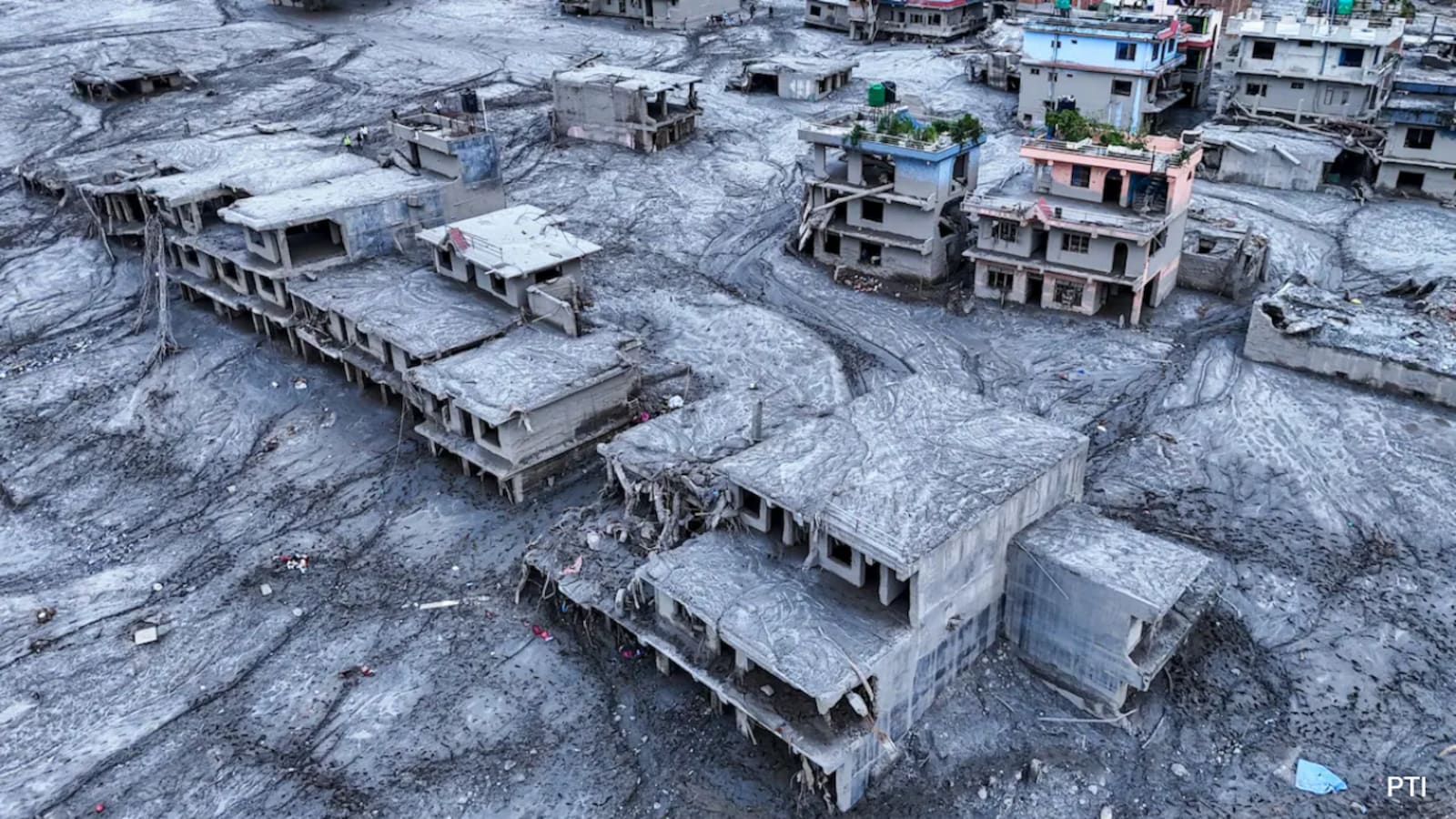
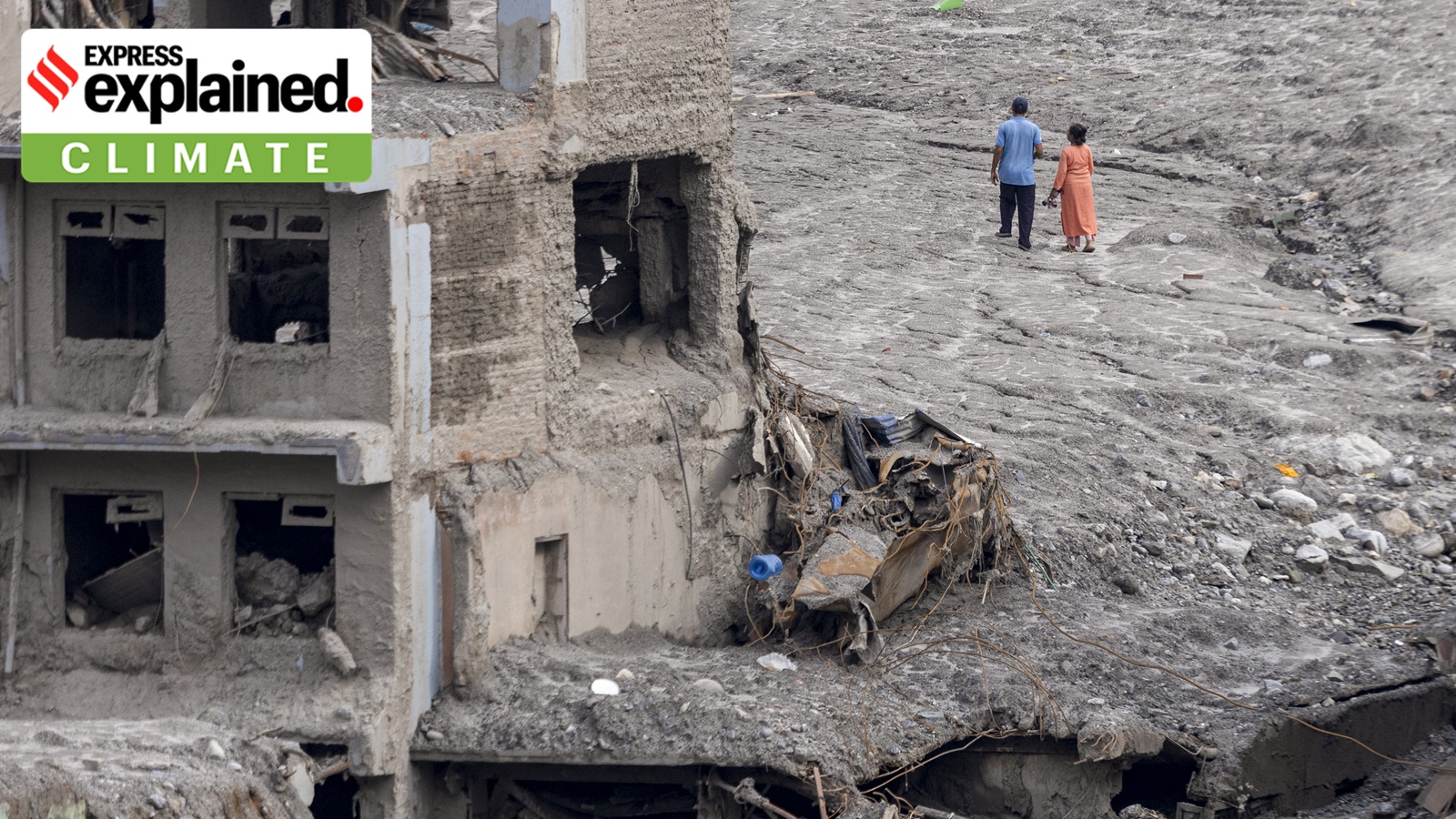
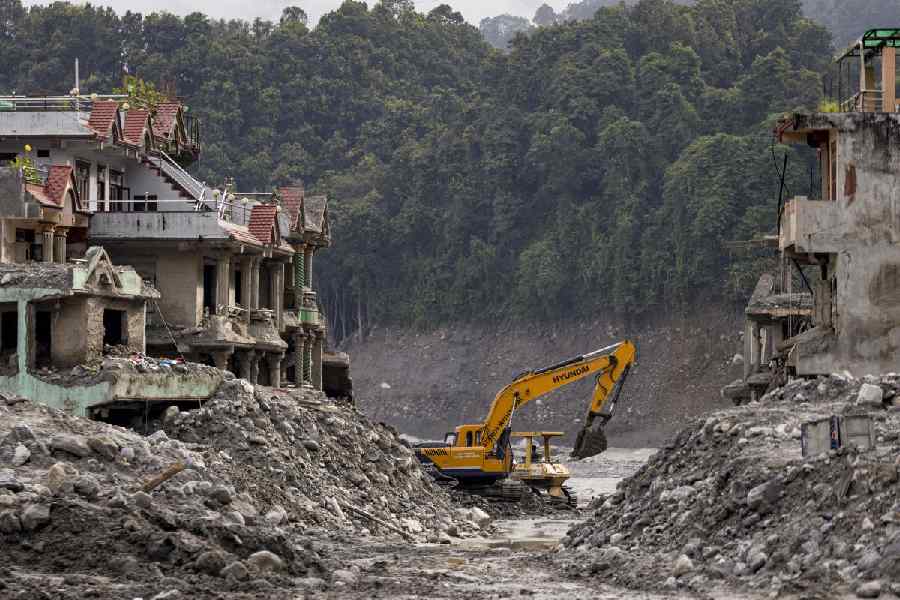
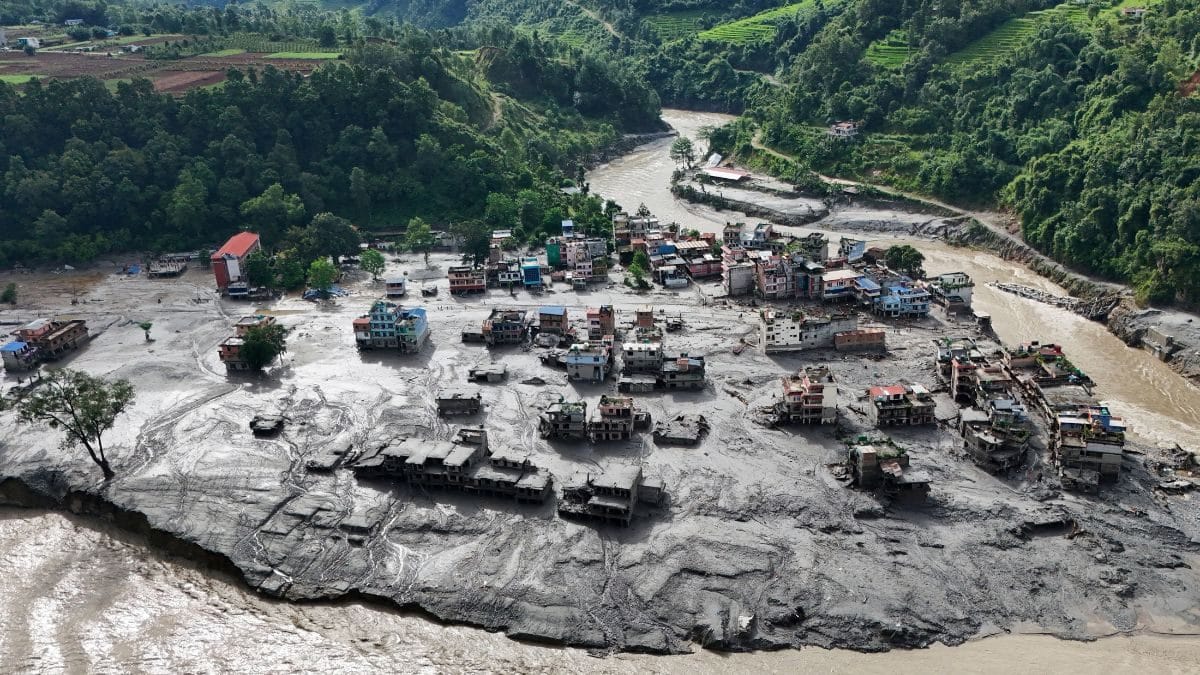
One writer says Nepal should seek compensation after severe floods and mudslides.
Together, the letters show people using the newspaper to challenge claims and express views on public issues.

A Mumbai letter criticizes Nashik’s 24-carat-gold-covered modaks as an ostentatious attempt to obtain divine favor.
Ananda Lal says Ketaki Kushari Dyson’s first English poetry collection, Sap-Wood, was published by Writers Workshop in 1978, not Oxford in 1979.
Writers describe India’s BRICS diplomacy as a chance to diversify partnerships, while stressing that declarations require measurable results.
Several letters argue that lesser-known Bengali historians deserve recognition alongside internationally prominent scholars.
Two writers say major greenhouse-gas emitters should provide climate compensation to Nepal after the late-August 2026 floods and mudslides.
- Who
- The letter writers, including Mohan Kumar, Ananda Lal, Bal Govind, Aranya Sanyal, M. Jeyaram, Hitendra Patel, Sukhendu Bhattacharjee, Gregory Fernandes and Shreya Basu.
- What
- They debate religious offerings, correct a literary fact, assess India’s BRICS diplomacy, call for wider recognition of historians and demand climate compensation for Nepal.
- Where
- The letters come from writers in Mumbai, Calcutta, Noida, Siliguri, Sholavandan, Hooghly and Nainital; other references include Nashik, Nepal and Kathmandu.
- When
- The letters refer to articles published on September 14 and 15, the recent 18th BRICS Summit and late-August 2026 floods and mudslides.
- Why
- The writers seek to challenge factual errors, question ostentation, evaluate diplomatic commitments, broaden historical recognition and assign responsibility for climate-related harm.
Critical and Corrective Views
Supportive and Alternative Views
Religious offerings
Critical and Corrective Views
Expensive, gold-covered modaks are criticized as ostentatious and inconsistent with stories emphasizing humility and simple offerings.
Supportive and Alternative Views
The letters do not provide a defense of the modaks; the contrasting position is the implied belief that costly offerings can obtain divine benevolence.
India’s BRICS diplomacy
Critical and Corrective Views
India’s engagement with Tehran, Beijing and Moscow is presented as a diplomatic success that can diversify partnerships and advance trade, currency, food and energy goals.
Supportive and Alternative Views
Another view cautions that declarations and shared platforms are insufficient unless they produce concrete investments and measurable outcomes.
Historical recognition
Critical and Corrective Views
One writer argues that lesser-known Bengali historians, including Amales Tripathi, Chittabrata Palit, Sushil Chaudhury, Sunil Sen, Amalendu De and Ranjit Sen, deserve greater recognition.
Supportive and Alternative Views
The referenced article focuses on five historians who later became nationally or internationally prominent: Ranajit Guha, Tapan Raychaudhuri, Ashin Das Gupta, Sabyasachi Bhattacharya and Sumit Sarkar.
Climate compensation
Critical and Corrective Views
The letters argue that major historical greenhouse-gas emitters should accept responsibility and compensate Nepal because poorer countries contributed less but face severe consequences.
Supportive and Alternative Views
The articles do not present a substantive rejection of compensation; they only record the demand for $20 million in immediate assistance and broader reparations.
Key facts
- Religious offering
- A Nashik sweet shop is reported to sell 24-carat edible-gold modaks for Rs 27,000 per kilogramme.
- Poetry collection
- Ananda Lal says Writers Workshop, Calcutta, published Ketaki Kushari Dyson’s Sap-Wood in 1978.
- BRICS diplomacy
- Letters discuss India’s meetings with Tehran, Beijing and Moscow during the recent BRICS Summit.
- BRICS declaration
- The New Delhi Declaration at the 18th BRICS Summit is described as addressing restraint, civilian protection and sovereignty.
- Historians named in article
- The article discussed Ranajit Guha, Tapan Raychaudhuri, Ashin Das Gupta, Sabyasachi Bhattacharya and Sumit Sarkar.
- Climate demand
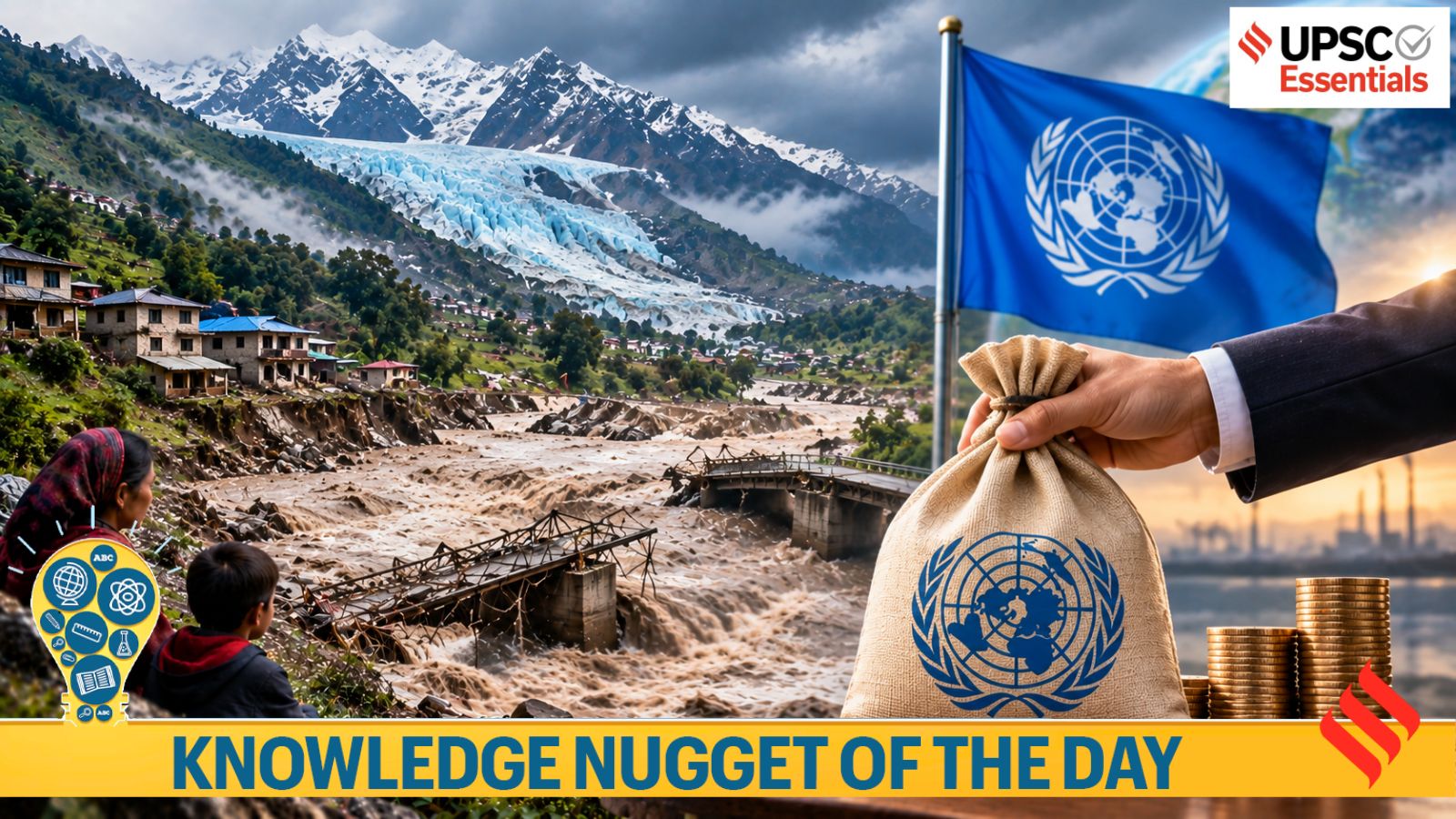
- One letter says Kathmandu is seeking $20 million in immediate climate compensation and broader reparations.
- Climate mechanism
- The letter identifies the Loss and Damage Fund established at COP27 in Sharm El-Sheikh as a possible source of support.
Sources
Related news
Gold-Foil Modaks Priced ₹27,000 Per Kg Attract Nashik Devotees

Golden and Giant Modaks Highlight Ganesh Chaturthi 2026

Tharoor Defends BRICS Value After Chidambaram Questions Benefits
Rising Sugar Prices Put Bengali Sweet Traditions Under Pressure
Why Cooperation Between India and China Could Reshape BRICS
Mohan Bhagwat Urges Unity, Duty and Service in New York
Nepal’s $20 Million Request Exposes Loss and Damage Fund Gaps
UN Loss and Damage Fund Promises Nepal Urgent Flood Support
Nepal Seeks Loss and Damage Compensation After Devastating Floods
Nepal’s Climate Compensation Call Tests UN Loss Fund