

1 week ago
Rising Sugar Prices Put Bengali Sweet Traditions Under Pressure
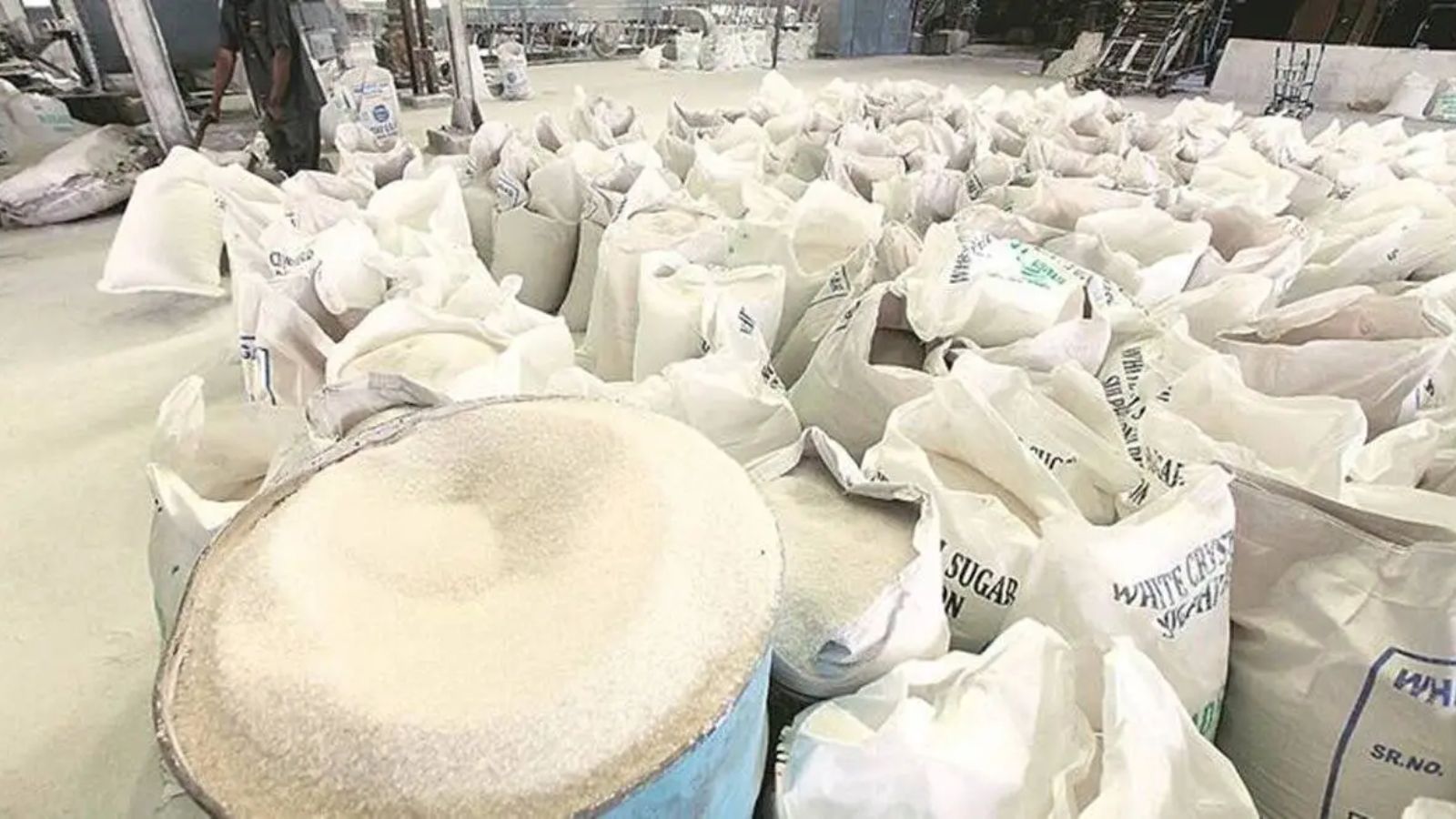
Sugar has become much more expensive in India.
This makes Bengali sweets cost more to produce.
In Bengal, people often give sweet boxes when celebrating important events.
Most people may still afford one rosogolla, but some families may buy fewer sweets or invite fewer people.
Sweet-shop owners must decide whether to raise prices, earn less money or make smaller sweets.
In 1965, the West Bengal government briefly banned some chhana-based sweets during a milk shortage.
That ban caused protests and was later struck down by the Calcutta High Court.
Bengal also fought Odisha over the identity of the rosogolla and received a Geographical Indication tag in 2017.
The article says inflation may slowly make a shared cultural tradition less accessible.

Domestic sugar prices have risen nearly 40% in two months, prompting the government to waive import duty and allow duty-free raw-sugar imports.
Sweets such as rosogolla are central to Bengali celebrations, including weddings, births, pujas, exam results and election victories.
Higher costs could make families order fewer sweet boxes or exclude people from customary gestures of belonging.
Sweet shops face difficult choices: raise prices, absorb shrinking margins, reduce portions or leave the business.
The article compares today’s affordability concerns with Bengal’s 1965 rosogolla ban and its 2017 Geographical Indication claim for Banglar Rosogolla.
- Who
- Bengali families, sweet-shop owners and government authorities are affected; the article also references West Bengal, Odisha and Nobin Chandra Das.
- What
- Rising sugar prices are increasing the cost of Bengali sweets and may make customary sweet-giving less affordable.
- Where
- India, particularly Bengal and its sweet shops and households.
- When
- Domestic sugar prices rose nearly 40% over two months; the article also recalls events in 1965 and 2017.
- Why
- Sugar-price increases raise production costs and may reduce people’s ability to participate equally in Bengali celebrations and traditions.
Market and Government Response
Cultural and Small-Business Concerns
Managing the sugar shortage
Market and Government Response
The government responded by waiving import duty, extending duty-free raw-sugar imports and warning bulk buyers against hoarding.
Cultural and Small-Business Concerns
The article argues that policy measures do not remove the deeper effect of higher costs on consumers, sweet makers and cultural participation.
Passing on higher costs
Market and Government Response
Sweet shops may need to raise prices to cover more expensive sugar, fuel, labour and rent.
Cultural and Small-Business Concerns
Price increases could reduce demand, exclude lower-income families from customary gestures and weaken small shops’ customer base.
Preserving Bengali sweet traditions
Market and Government Response
Bengal continues to eat sweets and has defended rosogolla’s cultural and commercial identity, including through the 2017 Geographical Indication dispute.
Cultural and Small-Business Concerns
If sweets become less affordable, handmade, small-batch production and the tradition of everyone participating may gradually decline.
Key facts
- Sugar price increase
- Domestic sugar prices jumped nearly 40% in two months.
- Government response
- Import duty was waived, and duty-free imports of up to 10 lakh tonnes of raw sugar were extended until October 31.
- Festival-season measure
- Bulk buyers were warned against holding more than 15 days’ stock.
- Cultural role
- Bengali families commonly give sweet boxes for jobs, exam results, weddings, births, pujas and election victories.
- 1965 restriction
- The West Bengal government banned rosogolla and other chhana-based sweets in Calcutta during a milk shortage.
- 2017 recognition
- West Bengal secured a Geographical Indication tag for Banglar Rosogolla after a two-and-a-half-year dispute with Odisha.
- Business pressure
- Sweet makers may raise prices, accept lower margins, reduce sweet sizes or reconsider continuing their businesses.
Sources
Related news
Bengal sweet trade faces sugar shock before festive season

Bengal Sugar Prices Soar to Rs 70 Ahead of Festivities

Letters Reflect Sugar Prices, Viral Romance, Promises and Festive Traditions

Bengal Government Moves to Control Sugar and Essential Prices
Sugar Price Hike Revives Material Concerns in Indian Politics
Bengal Launches Monthlong Drive to Curb Festive-Season Price Rise

Niladri Bije Marks End of Rath Yatra
Lucknow's Chilgoza Halwa Costs Over ₹6,000 per Kg

Prada's Kolhapuri Chappals Spark Debate on Indian GI Products
