

4 hrs ago
Himalayan Disaster Exposes the Need for Borderless Warning Systems

A large piece of ice and rock broke loose high in the mountains near Nepal and Tibet.
It sent a powerful rush of water and debris down a valley.
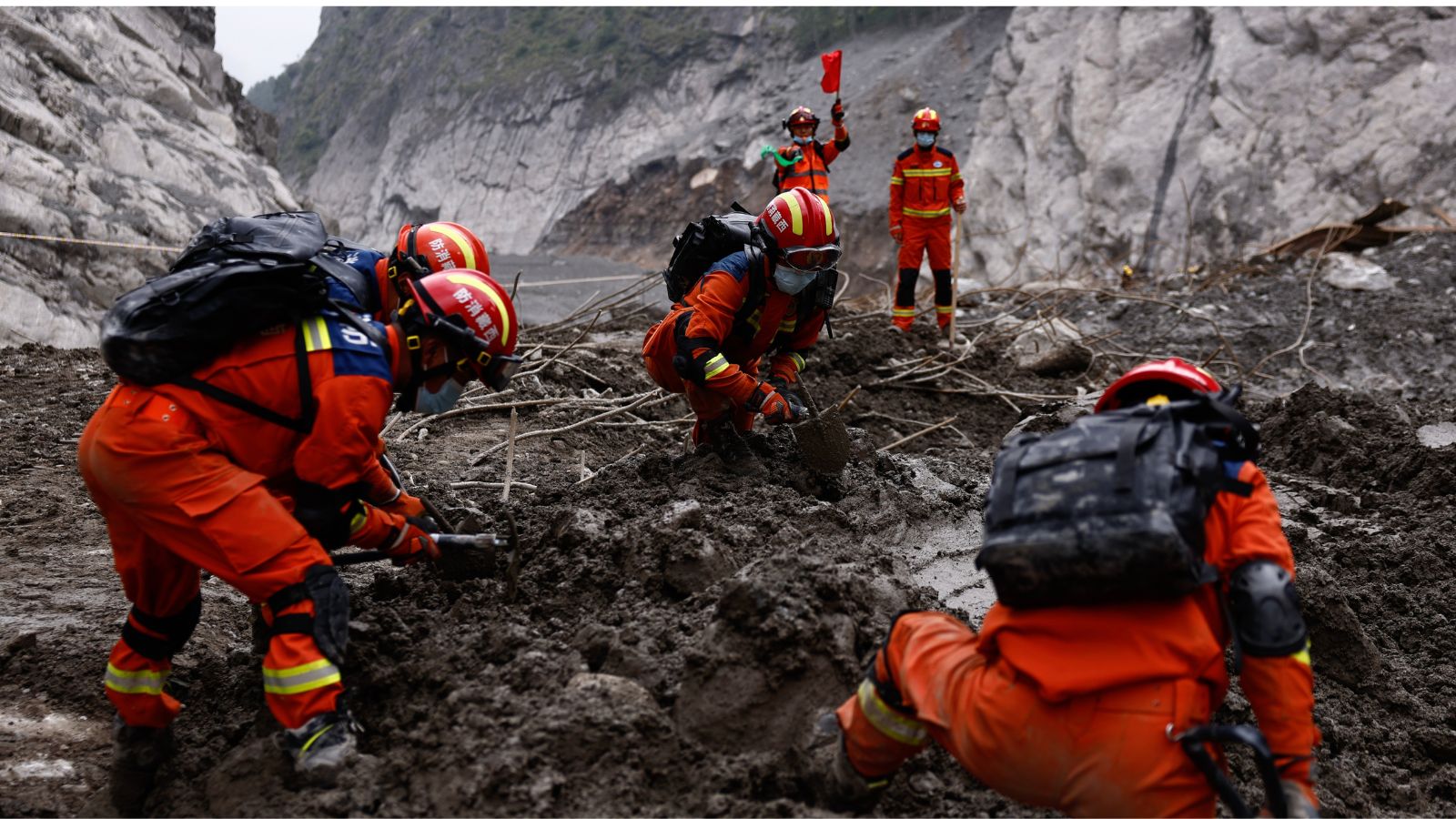
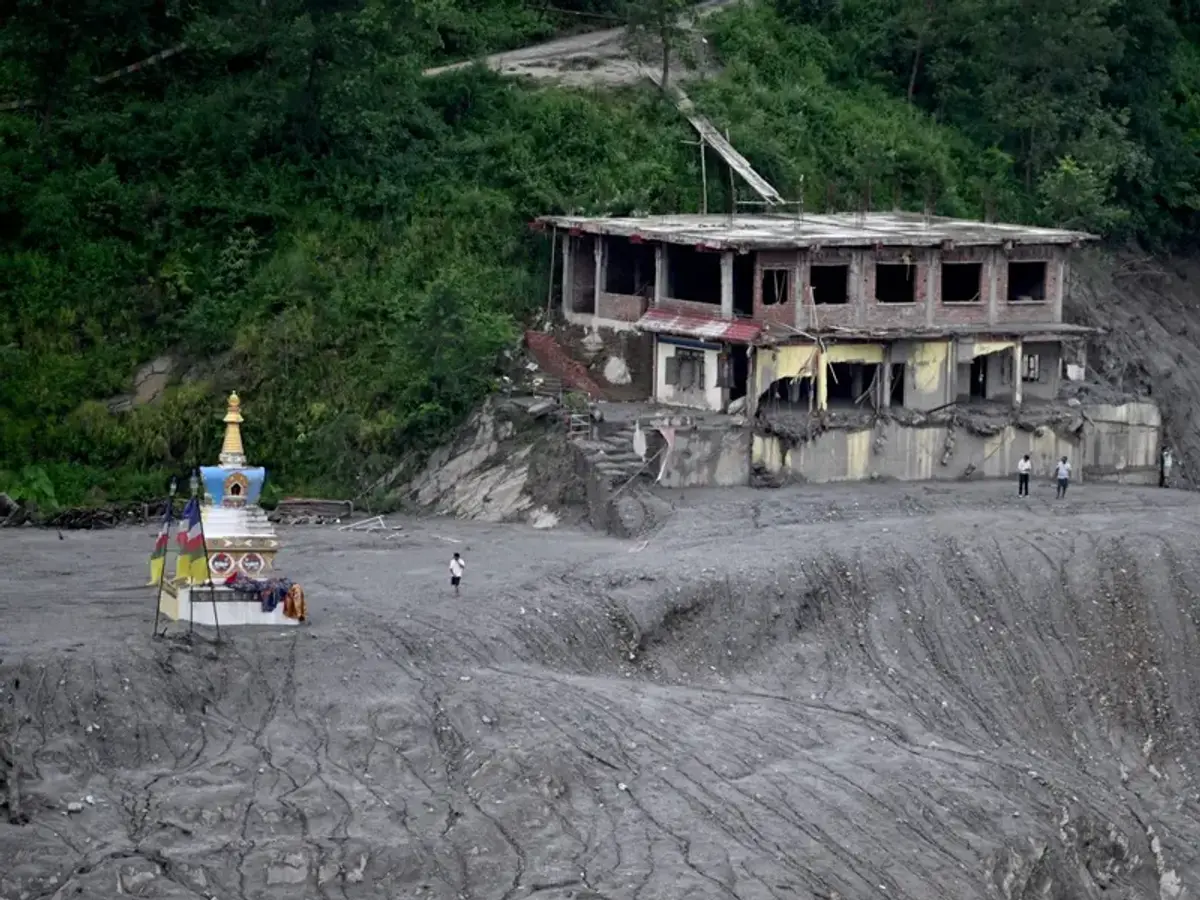
The water damaged towns, roads, bridges and at least six power plants.
The Tibetan trading town of Gyirong was also badly affected.
Nearly 3,000 people are still missing, including people from Nepal, Tibet and India.
India sent rescue workers, engineers and bridge-building teams to help.
Nepal may need billions of dollars to rebuild.
The article says the disaster crossed borders, so the countries should share warnings and watch the mountains together.
Mountains, rivers and floods do not stop at national boundaries.

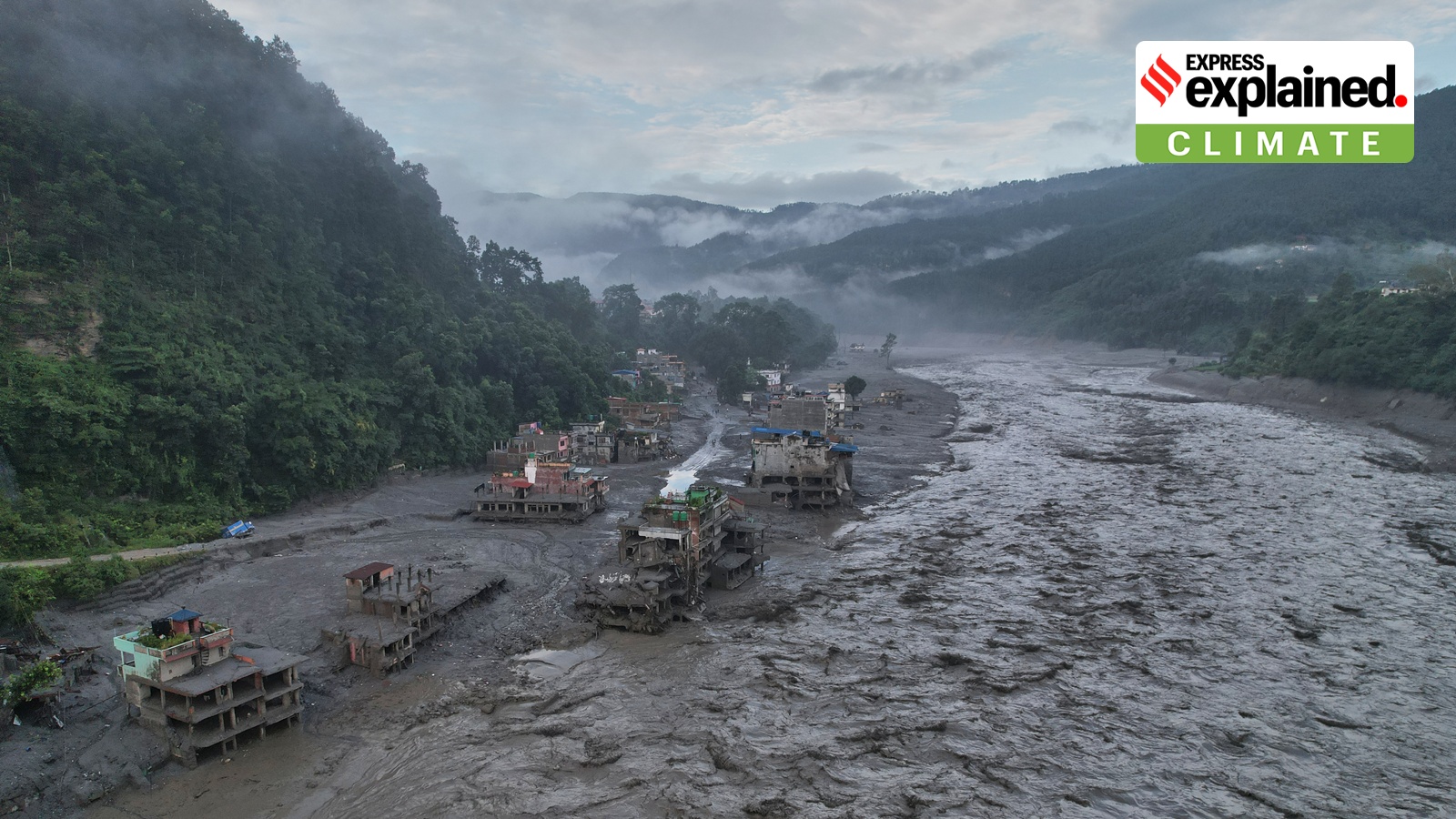
A mass of ice and rock broke loose above the Nepal-Tibet border in late August, triggering a cascading flood.
The surge damaged settlements, bridges, roads, penstocks and powerhouses, while at least six major hydroelectric plants were broken.
Nearly 3,000 people remain unaccounted for, including Nepali villagers, Tibetan traders and 275 Indian nationals.
The Tibetan trade hub of Gyirong was severely disrupted, and a major cross-border route was closed.
The disaster has renewed calls for Nepal, India and China to share monitoring, warnings and infrastructure planning across the Himalaya.
- Who
- Nepali villagers, Tibetan traders and 275 Indian nationals were among those affected or missing; Nepal, India and China were involved in the response.
- What
- A mass of ice and rock released a destructive flood and debris flow that damaged settlements, infrastructure, hydroelectric plants and trade routes.
- Where
- The event began above the Nepal-Tibet border and affected valleys, settlements and infrastructure downstream, including Gyirong.
- When
- The initial release occurred in the last week of August; the article also refers to the South Lhonak disaster in Sikkim two years earlier.
- Why
- The failure of ice and rock triggered a chain reaction through the valley, while the article argues that divided national monitoring and planning worsened the region's vulnerability.
National Responses
Shared Himalayan Planning
Disaster management
National Responses
Each country can focus on rescuing its own citizens and restoring infrastructure within its territory, as India, Nepal and China did after the disaster.
Shared Himalayan Planning
Because the flood crossed borders, the countries should share mountain monitoring, forecasts, warnings and missing-person information before disasters occur.
Infrastructure strategy
National Responses
Roads, powerhouses and trade routes are planned and rebuilt according to national needs and jurisdictions.
Shared Himalayan Planning
The article argues that cross-border infrastructure and watershed planning are needed because valleys, rivers and hazards form one connected Himalayan system.
Key facts
- Missing people
- Close to 3,000 people remain unaccounted for.
- Missing Indian nationals
- India's Ministry of External Affairs counted 275 Indian nationals among the missing.
- Hydroelectric damage
- At least six major hydroelectric plants were broken.
- Affected trade hub
- Gyirong, a trade hub on the Tibetan side, was battered and its cross-border activity was disrupted.
- Estimated reconstruction cost
- Nepali officials estimate reconstruction will cost about 4 to 5 billion dollars.
- Indian response
- India sent relief, engineers and bridging teams north within days.
- Related Sikkim disaster
- The article says the South Lhonak lake burst its moraine wall two years earlier and destroyed a flagship dam on the Teesta.
Sources
Related news
Nepal Flood Exposes Four Urgent Himalayan Disaster Lessons
Nepal Floods Warn India’s Mountain States About Himalayan Risks
Nepal Floods Expose Himalayan Disaster Risks and Regional Divisions

Ice-Rock Landslide Triggers Catastrophic Floods Along Nepal-Tibet Border

Nepal Flood Disaster Raises Fears of Downstream Water Bomb
Nepal races to restore roads as tunnel rescue continues
Nepal’s Floods Spur Calls for a New Himalayan Disaster Compact
How China’s Takeover Dramatically Reshaped the Kailash-Manasarovar Pilgrimage
Indian Embassy Seeks DNA Samples to Identify Flood Victims
