1 hr ago
How China’s Takeover Dramatically Reshaped the Kailash-Manasarovar Pilgrimage
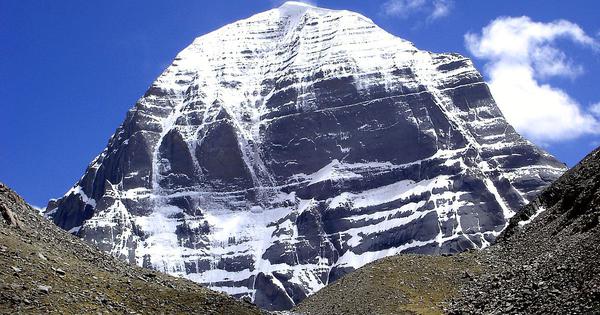
Before the 1950s, Indian pilgrims could usually travel across Tibet with relatively few official restrictions.
China’s control of Tibet brought new permits and checks for people going to Mount Kailash and Lake Manasarovar.
Indian officials said these rules were meant to count visitors, but pilgrims also reported delays, searches and confiscated belongings.
India and China tried to manage the problem through the 1954 Panchsheel Agreement.
That agreement allowed pilgrims to visit several holy places through agreed border crossings.
Some travelers still faced inspections and other difficulties.
Relations became worse after the 1959 Tibetan Uprising and the Dalai Lama’s escape to India.
China advised Indians not to make the pilgrimage in 1959, and officials warned travelers about possible restrictions.
After the 1962 border war, the pilgrimage stopped from India until 1981 and later required passports.

After Chinese forces returned to Tibet in 1950, new permit requirements and border inspections changed formerly freer travel for Indian pilgrims and traders.
India’s Parliament examined reports of Tibetan flags, shrine claims, pilgrim harassment and restrictions in December 1952, while officials said some reports were unfounded.
The 1954 Panchsheel Agreement allowed Indian pilgrims to visit Kailash, Manasarovar and Lhasa through six designated crossings, but required permits after entry into Tibet.
Complaints about searches, confiscations and permit delays continued, although special arrangements were sometimes made for prominent pilgrims such as the Jagadguru of Sharada Peeth.
After the 1959 Tibetan Uprising, worsening India-China relations led China to discourage the pilgrimage; the route was suspended after 1962 and resumed in 1981 under stricter conditions.
- Who
- Indian pilgrims and traders, Chinese authorities, and the governments of India and China; the 14th Dalai Lama and Indian officials also shaped the context.
- What
- Rules governing the Kailash-Manasarovar pilgrimage changed from relatively free travel to permits, inspections and, eventually, suspension and stricter requirements.
- Where
- Across the India-Tibet border, including routes to Mount Kailash, Lake Manasarovar and Lhasa in western Tibet.
- When
- The changes began after 1950, were addressed in 1952 and 1954, intensified after 1959, and led to a suspension from 1962 until 1981.
- Why
- China introduced administrative controls after taking control of Tibet, while worsening Sino-Indian relations and the 1962 border war further restricted pilgrimage travel.
Indian Concerns
Chinese Position
Purpose and effect of permits
Indian Concerns
Indian officials and travelers associated the new system with delays, harassment, searches and confiscation of cameras, maps and firearms.
Chinese Position
Chinese authorities explained the permit system as a way for local authorities to maintain a proper count of Indians visiting Tibet.
Status of the 1954 arrangement
Indian Concerns
India negotiated the Panchsheel Agreement to facilitate pilgrimage and trade, but continued to receive complaints about excessive inspections and delays.
Chinese Position
The agreement established formal access for pilgrims and traders, including six crossing points and visits to Kailash, Manasarovar and Lhasa.
Tibet’s political status
Indian Concerns
The 14th Dalai Lama has said Tibet accepted the Seventeen Point Agreement under duress, and India increasingly viewed travel through the lens of strained relations with China.
Chinese Position
Beijing strongly rejects the Dalai Lama’s claim that the agreement was signed under duress and treated the matter as administration involving the People’s Republic of China.
Key facts
- Initial change
- After 1950, Chinese authorities introduced permits for pilgrims and traders traveling to western Tibet.
- 1952 parliamentary inquiry
- Raghubir Sinh asked Prime Minister Jawaharlal Nehru about pilgrim regulations, alleged territorial violations and reported harassment.
- 1954 agreement
- The Agreement on Trade and Intercourse with Tibet Region, commonly called the Panchsheel Agreement, established travel arrangements and six designated crossing points.
- Permitted destinations
- Indian Hindu, Buddhist and Lamaist pilgrims could visit Kailash, Manasarovar and Lhasa, obtaining permits after entering Tibet.
- Continuing complaints
- Indian reports described baggage searches, confiscations, permit delays and difficulties at checkpoints.
- Suspension
- The pilgrimage from India was suspended after the 1962 India-China border war and resumed in 1981 with passport requirements.
Quotes

Anil Kumar Chanda
India’s Deputy Minister of External Affairs in 1952
“Reports have been received that the Chinese authorities have introduced some sort of a permit system for pilgrims and traders proceeding to Western Tibet”
 scroll.in
“Ultimately the Chinese sent them to us and with the blessing of God, we had been able to cure and improve all of them”
scroll.in
Indian Trade Agent in Gartok
Indian diplomatic official reporting on arrangements for the Shankaracharya’s pilgrimage
“He assured me that there would be no trouble to him and he had also received instructions about it from their Foreign Ministry, but he added that according to international custom, Jagadguru is not immune from inspection of property”
scroll.in
Sources
Related news
Kailash Mansarovar Bookings Surge After Yatra Resumption

Indian Pilgrims Return to Nepal After Tibet Border Floods
Nepal Flash Floods Highlight Risks of Kailash Mansarovar Yatra
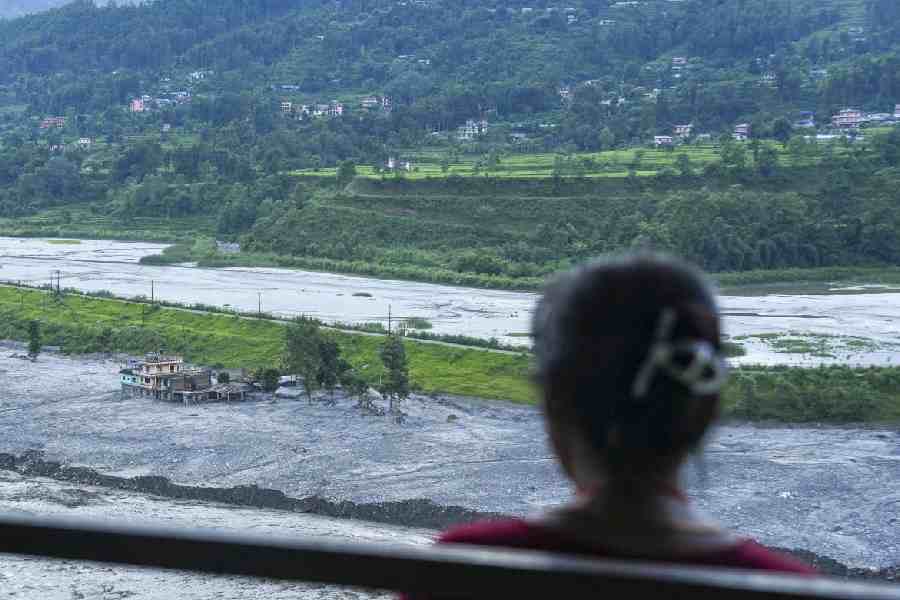
49 Tamil Nadu Pilgrims Missing After China-Side Flash Floods
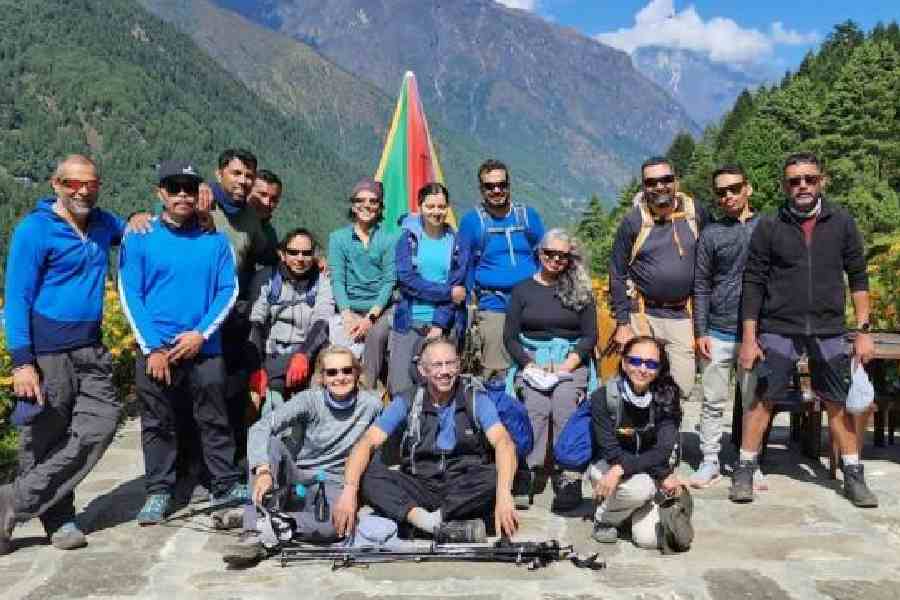
Nepal Floods Cancel Kailash Trips, Everest Treks Continue
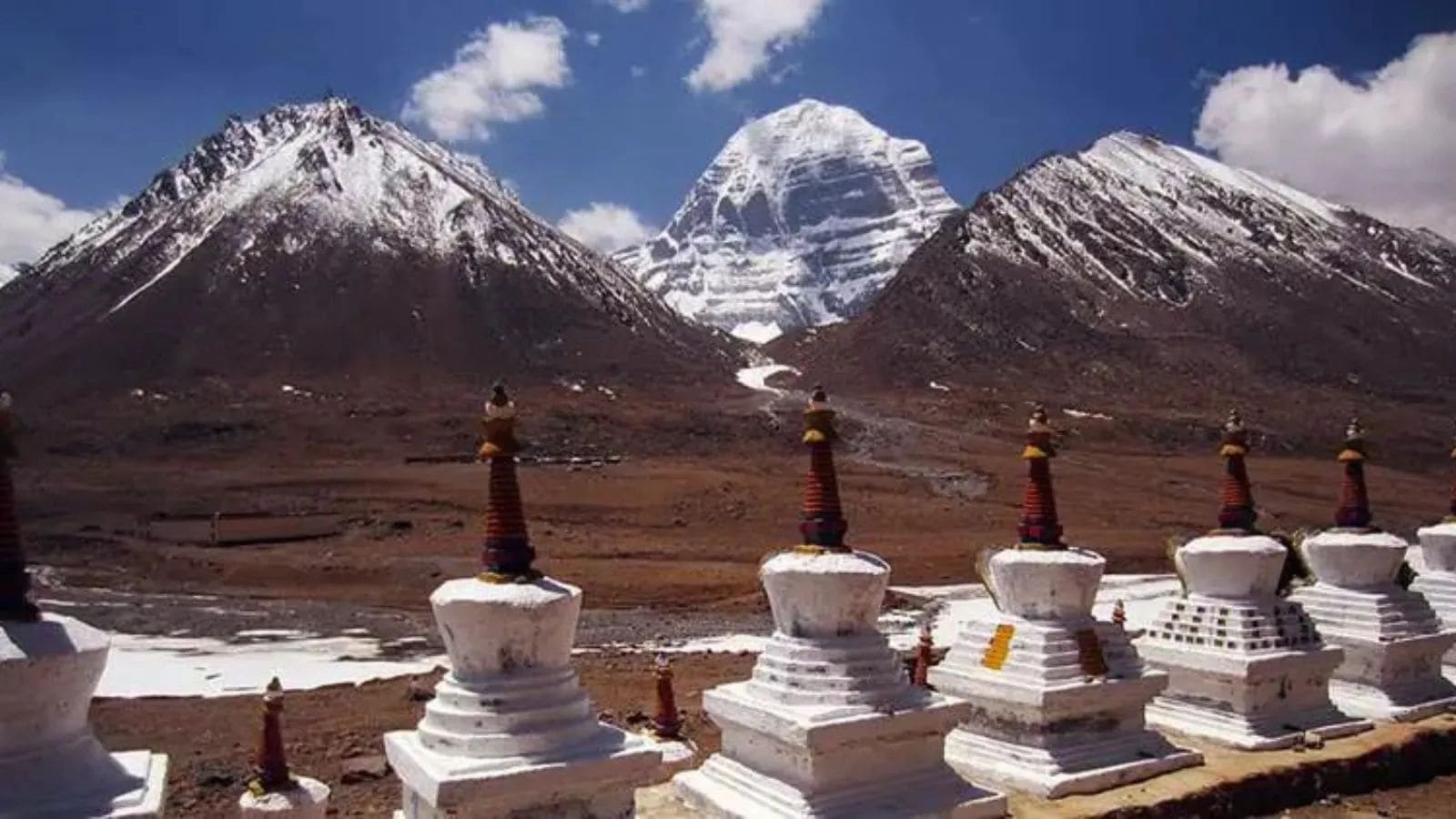
Nepal Floods Strand Kailash Pilgrims; Rasuwa Route Explained
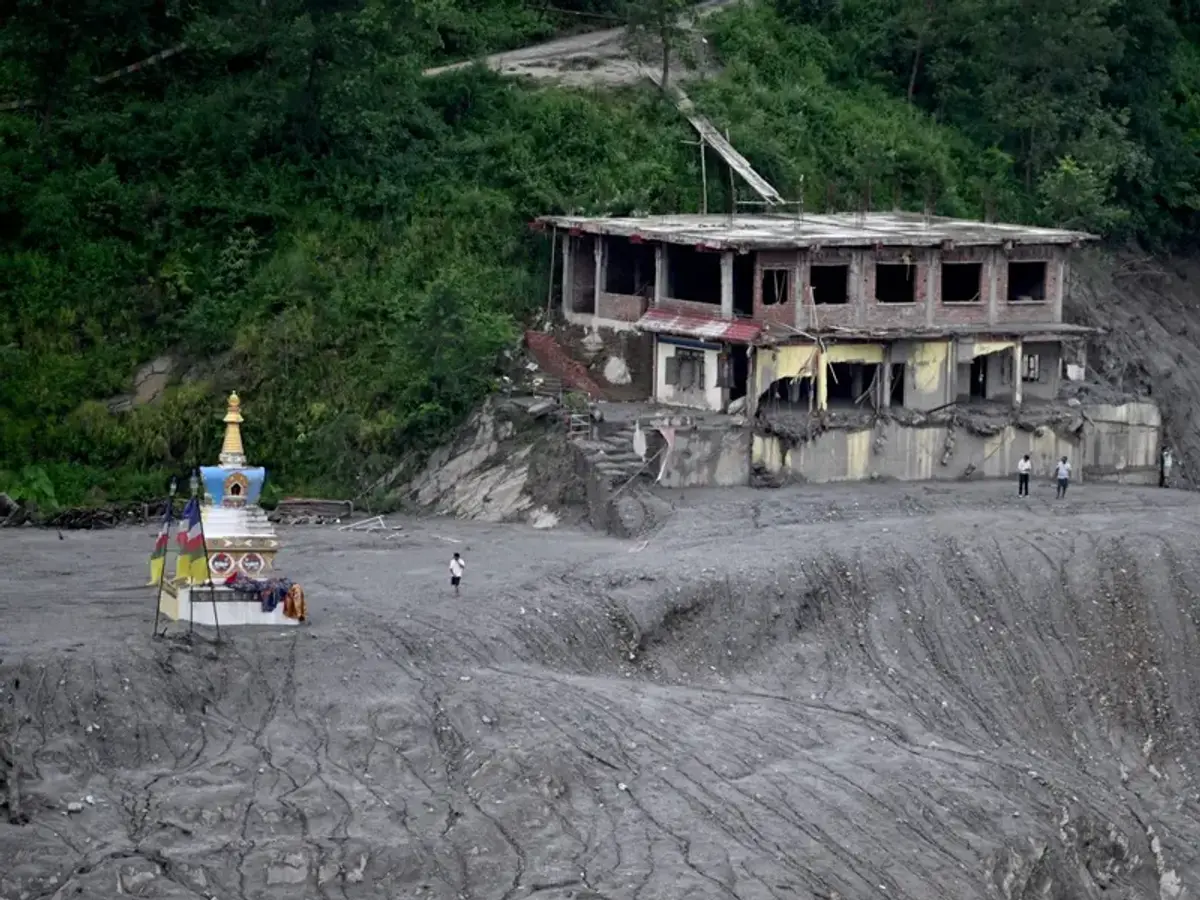
Indian Embassy Seeks DNA Samples to Identify Flood Victims

Himalayan Disaster Exposes the Need for Borderless Warning Systems

Nepal Flood Death Toll Reaches 1,355 as Searches Continue
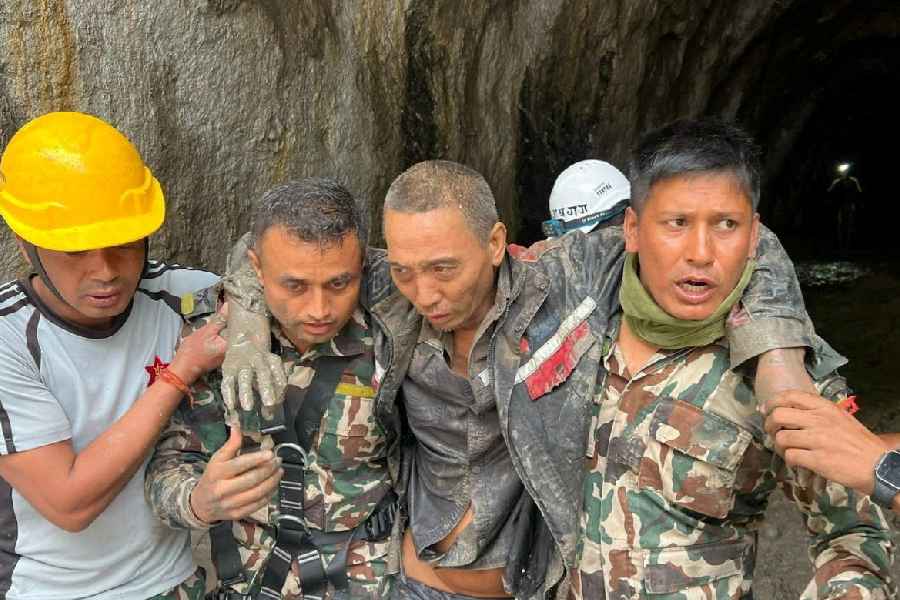
Nepal Rescuers Search Hydropower Tunnels for 121 Feared Trapped