4 days ago
Nepal Flood Disaster Raises Fears of Downstream Water Bomb

A very large flood hit the area between Nepal and China.
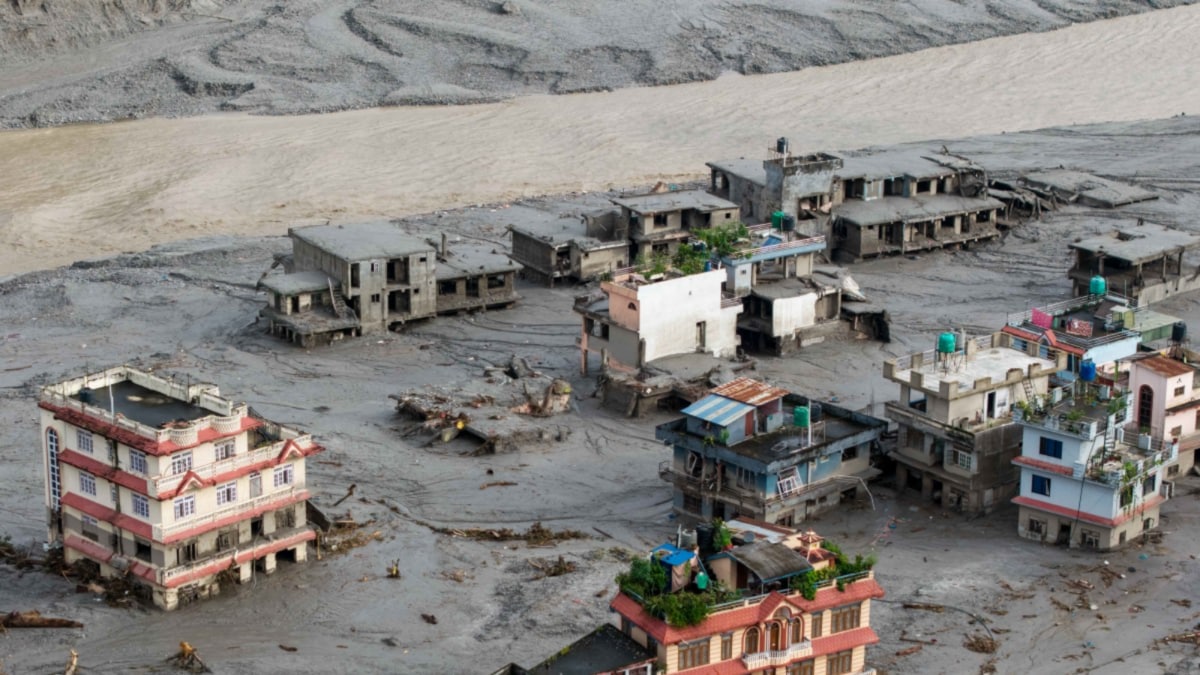
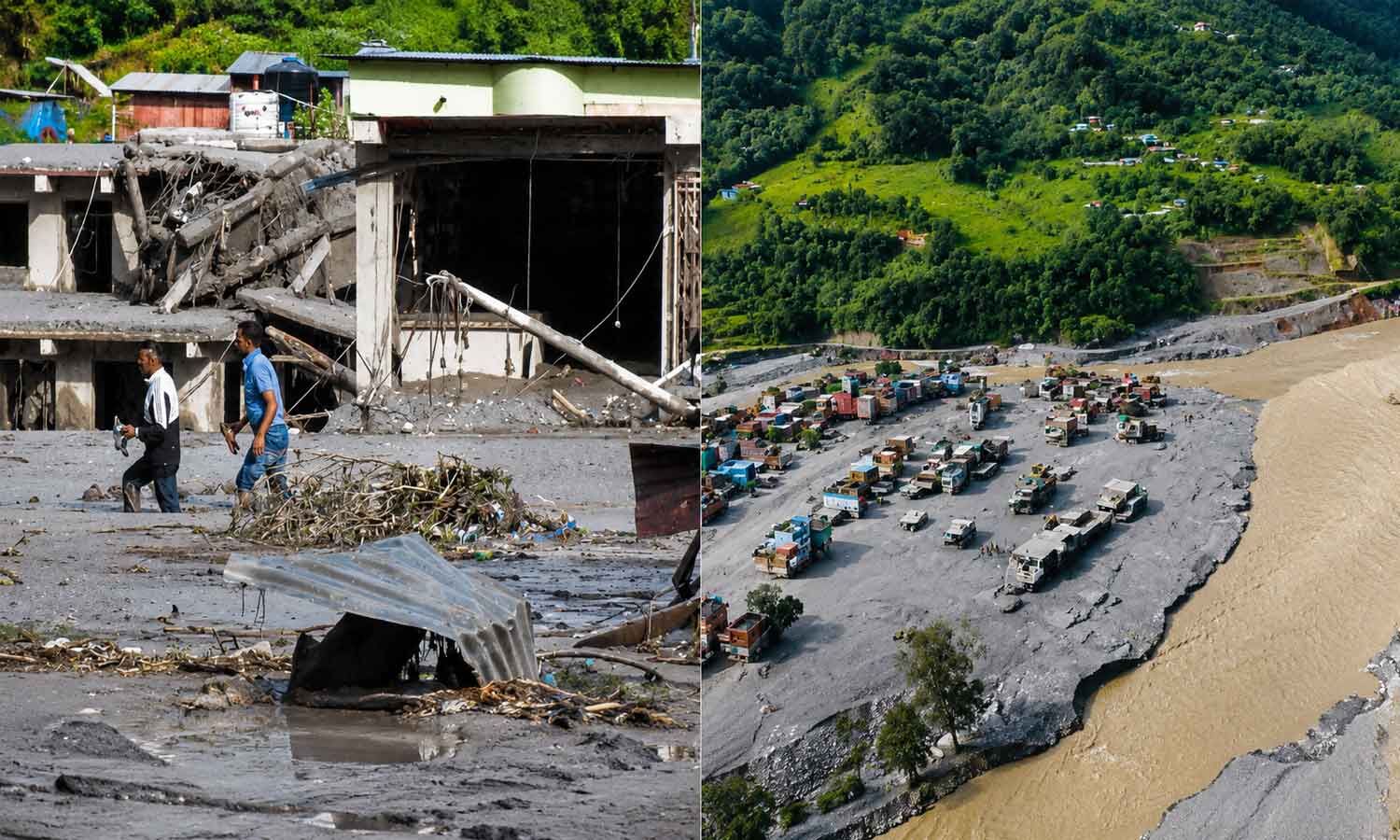
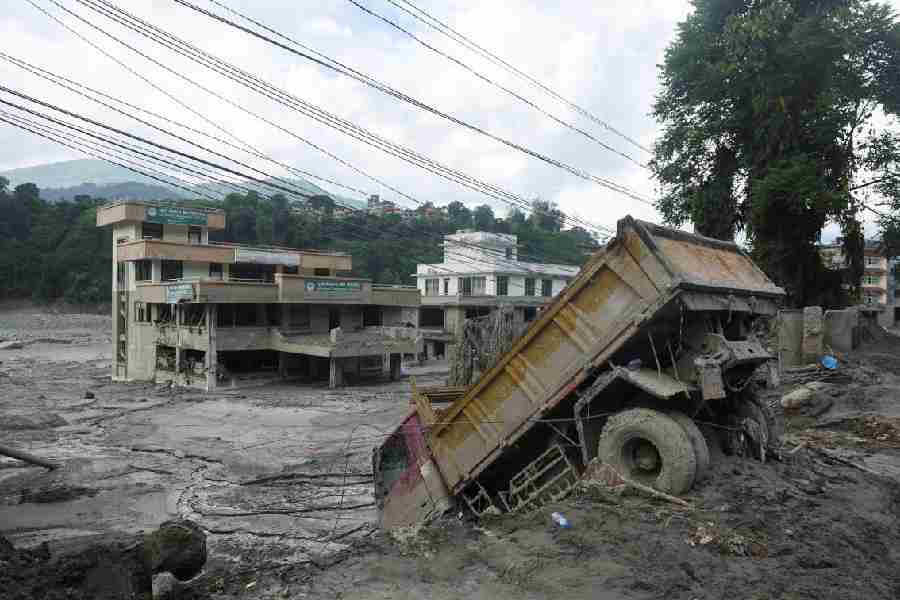
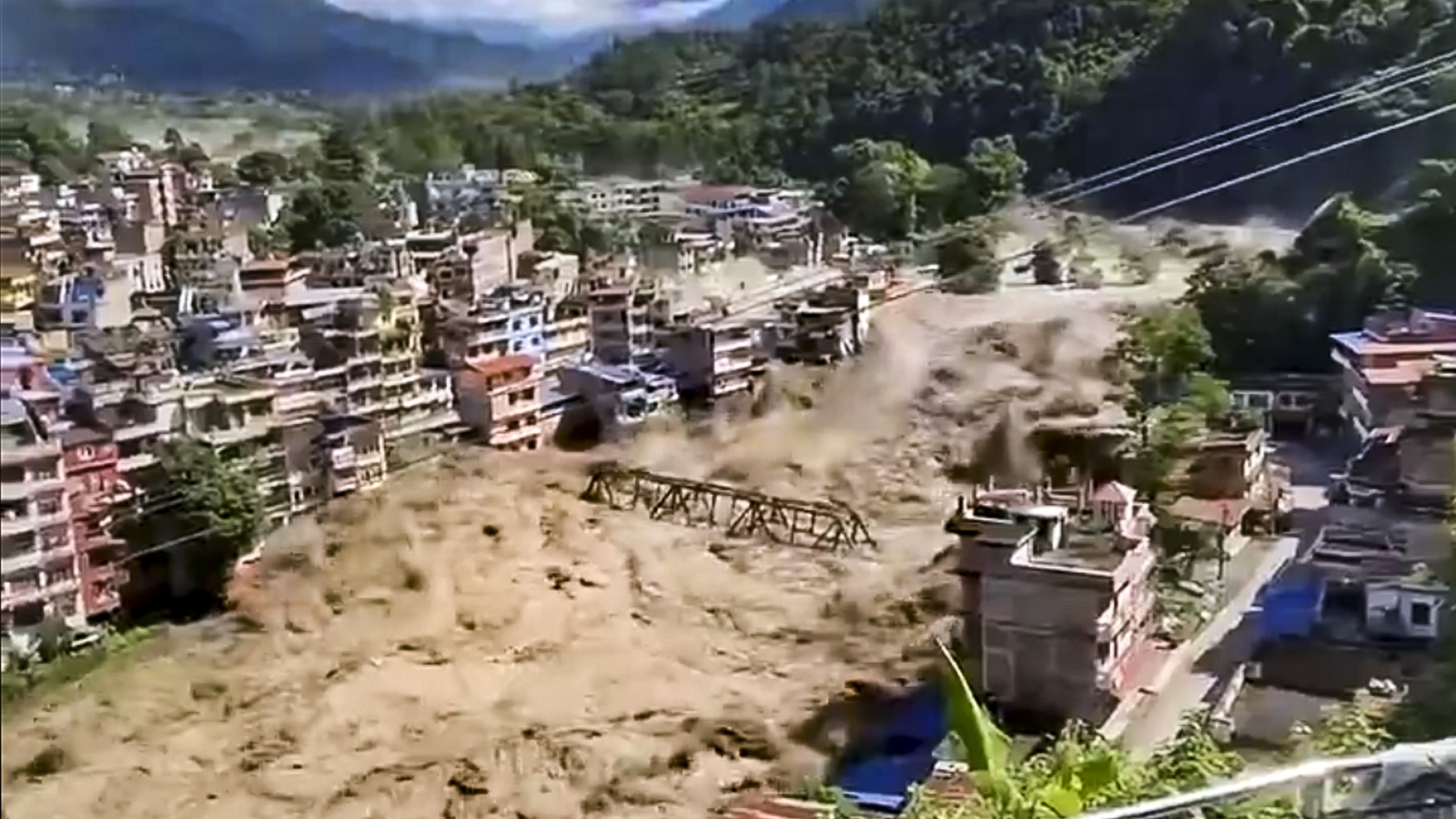
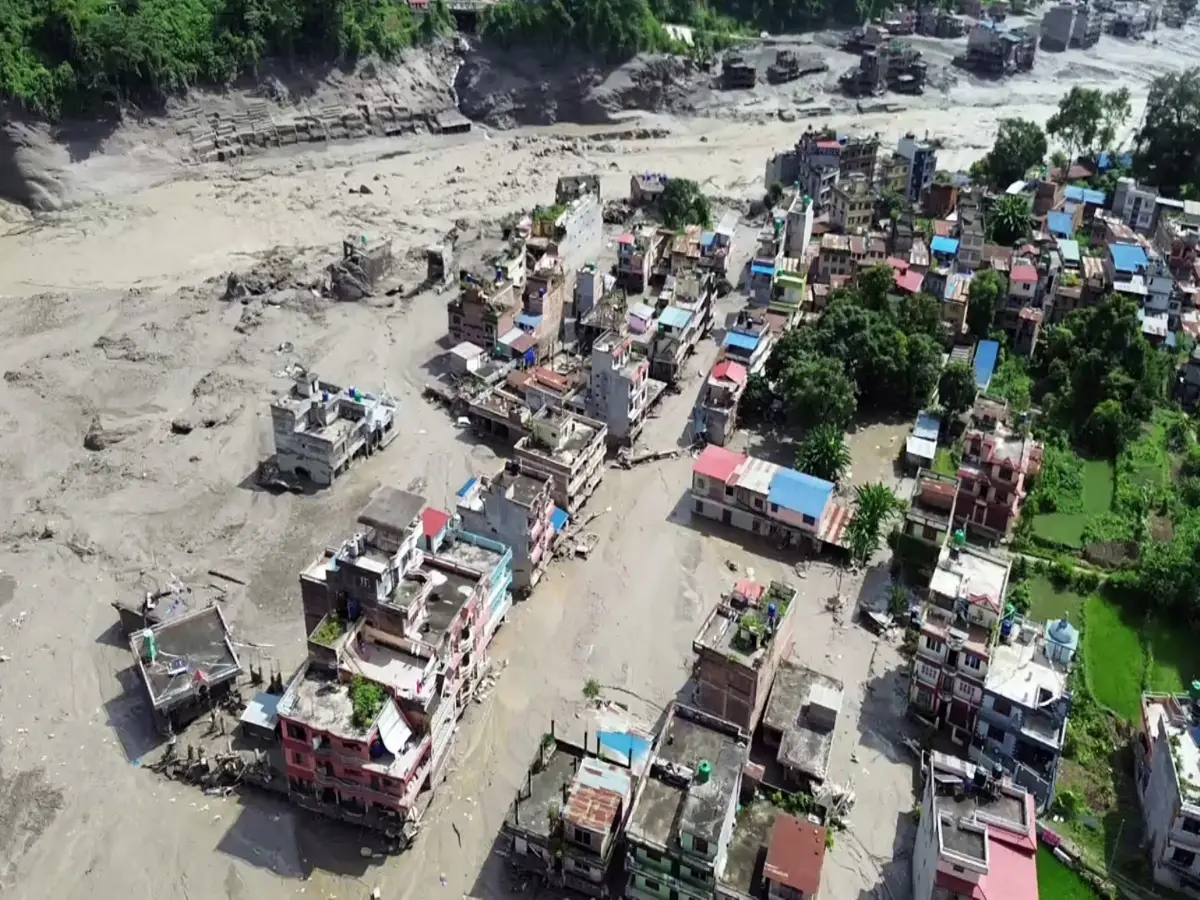
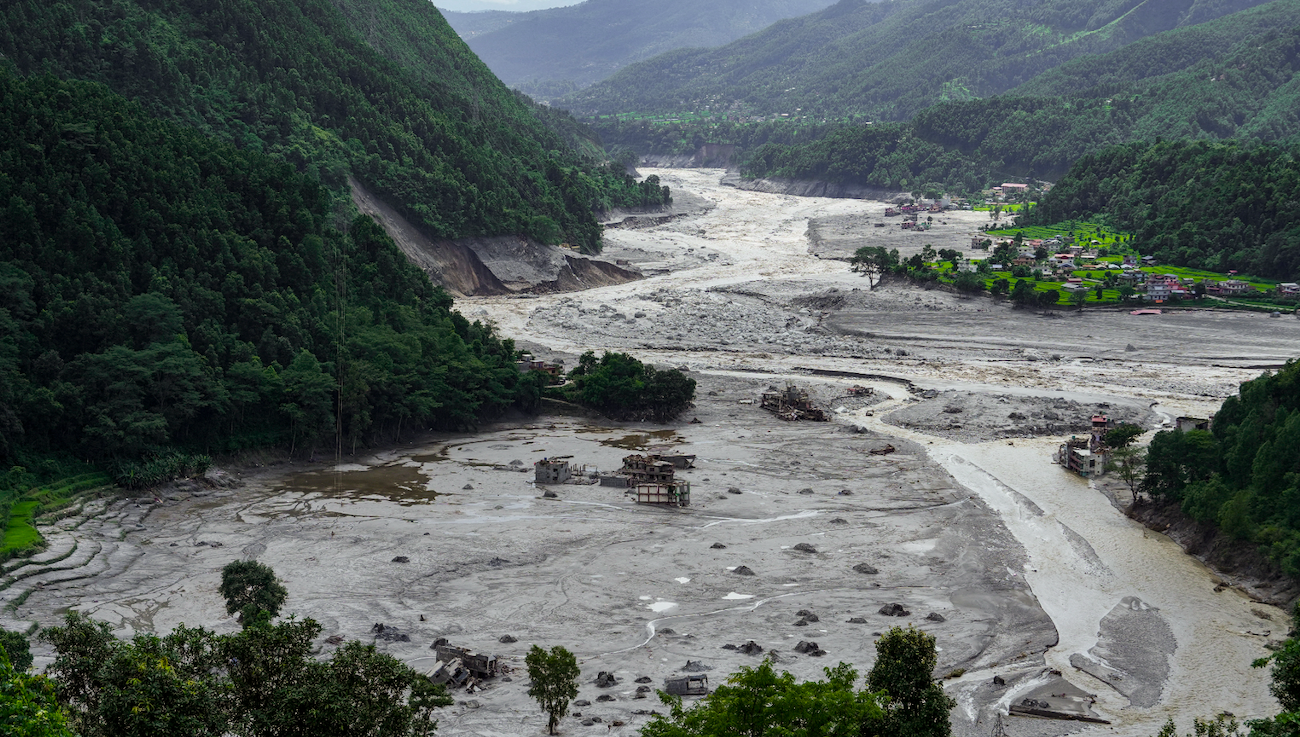
Water, ice, mud and broken debris rushed through communities.
At least 626 people have died in Nepal and Tibet.
About 3,000 people are still missing.
Around 320 Indians cannot currently be contacted or located.
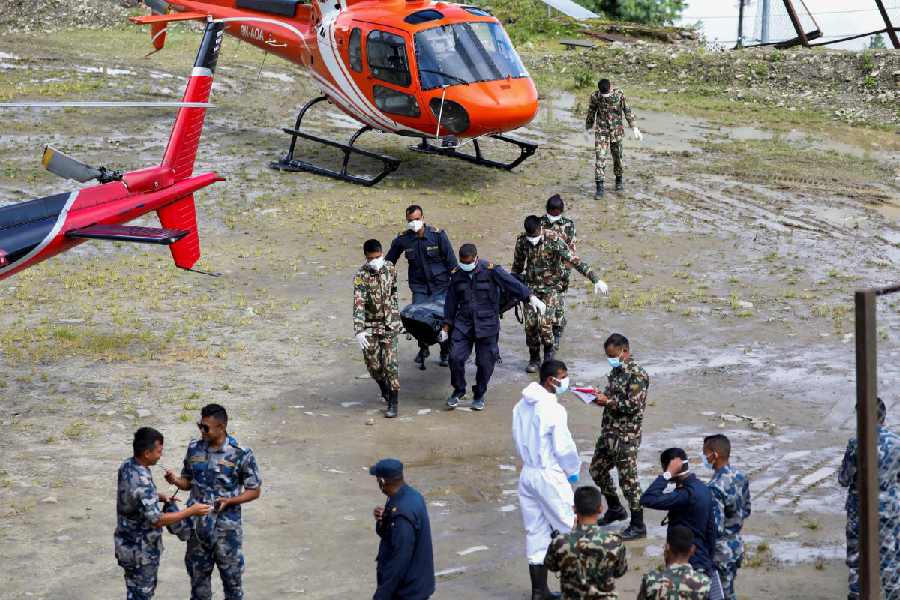
Rescue workers are searching for people as quickly as they can.
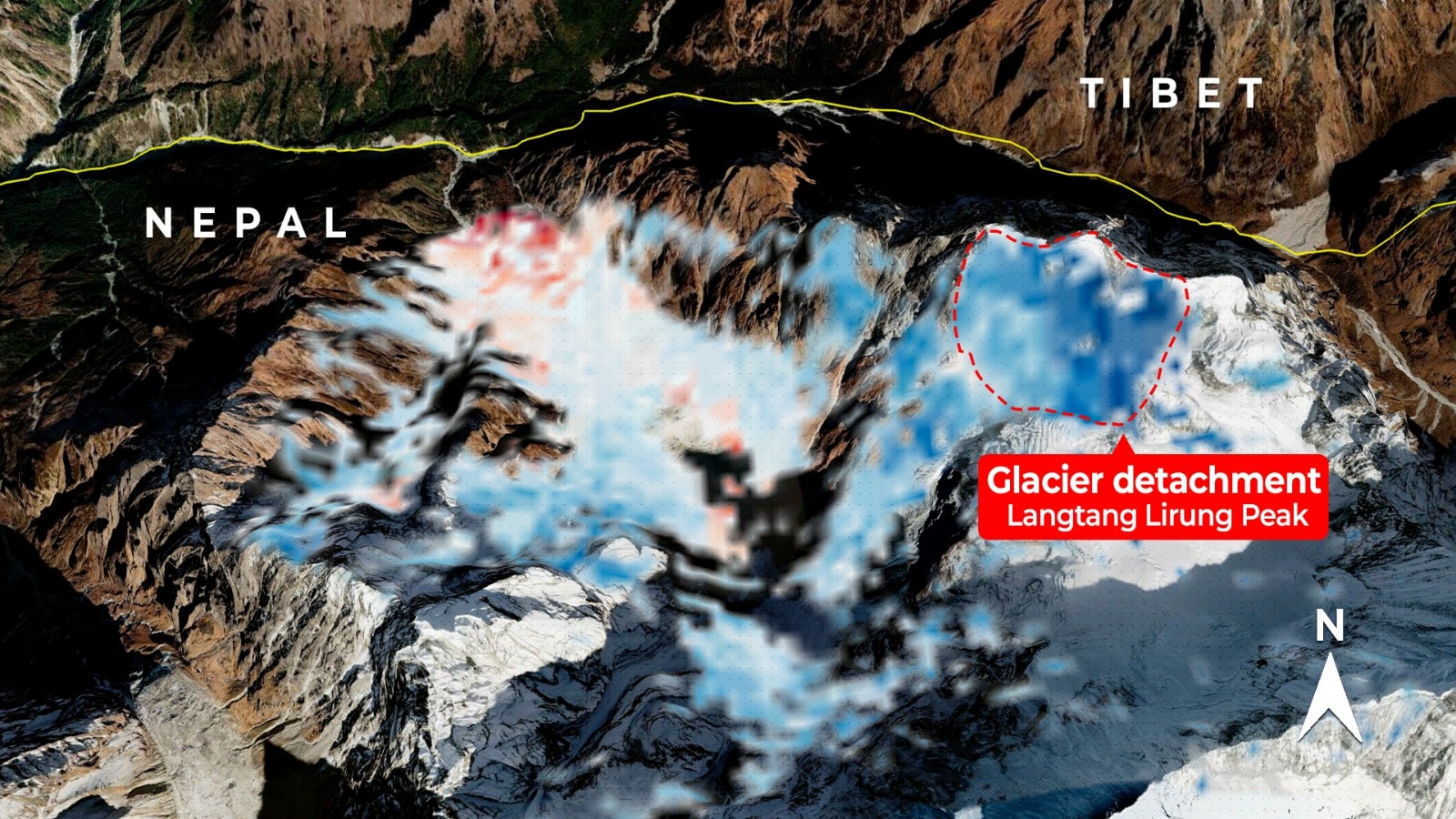
Scientists and officials are worried that unstable ice-filled lakes could release more water.
Higher water levels could cause more flooding in places downstream.

Flooding across the Nepal-China border region has killed at least 626 people in Nepal and Tibet.
About 3,000 people remain missing after water, ice, mud and debris swept through the region.
Around 320 Indian nationals are missing or uncontactable, according to the latest MEA figures.
Rescue teams are racing to find survivors and account for those still missing.
Unstable glacial lakes and rising water levels are raising fears of additional flooding downstream.
- Who
- People in Nepal and Tibet were affected, including around 320 Indian nationals reported missing or uncontactable.
- What
- A devastating flood sent water, ice, mud and debris across the Nepal-China border region, killing hundreds and leaving thousands missing.
- Where
- The disaster occurred across the Nepal-China border region, affecting Nepal and Tibet.
- When
- The report describes the latest situation as rescue operations continue; the latest cited figures put Indian nationals missing or uncontactable at around 320.
- Why
- The flooding unleashed a torrent of water, ice, mud and debris, while unstable glacial lakes and rising water levels created fears of further flooding.
Key facts
- Reported deaths
- At least 626 people in Nepal and Tibet
- People missing
- Roughly 3,000
- Indian nationals affected
- Around 320 reported missing or uncontactable
- Disaster area
- The Nepal-China border region
- Main hazards
- Water, ice, mud and debris
- Continuing risk
- Unstable glacial lakes and rising water levels may cause further flooding
Sources
Related news
Nepal-Tibet Flood Death Toll Rises as New Surge Threatens

Nepal-Tibet Floods Kill 584, Leave 2,482 Missing
Nepal-Tibet Flash Flood Toll Rises as Fresh Threat Looms
Nepal Flood Death Toll Rises as Rescue Efforts Continue
Nepal Flash Flood Death Toll Conflicts as Hundreds Remain Missing
Nepal Flood Death Toll Reported Up to 332, Indians Missing
Kailash Flood Tragedy Puts Sadhguru’s Safety Claims Under Fire

Nepal Flood Death Toll Tops 1,200 as Searches Continue
Satellite Radar May Strengthen Nepal's Flood Warning Systems
Nepal Plans New Landslide Warning System Along China Border

Nepal Thanks India as Glacial Disaster Rescue Efforts Continue