4 hrs ago
Survey Finds Few Indians Use Public Transport to Work
A new survey asked people in India how they get to work.
It found that many use two-wheelers, while relatively few mainly use public transport.
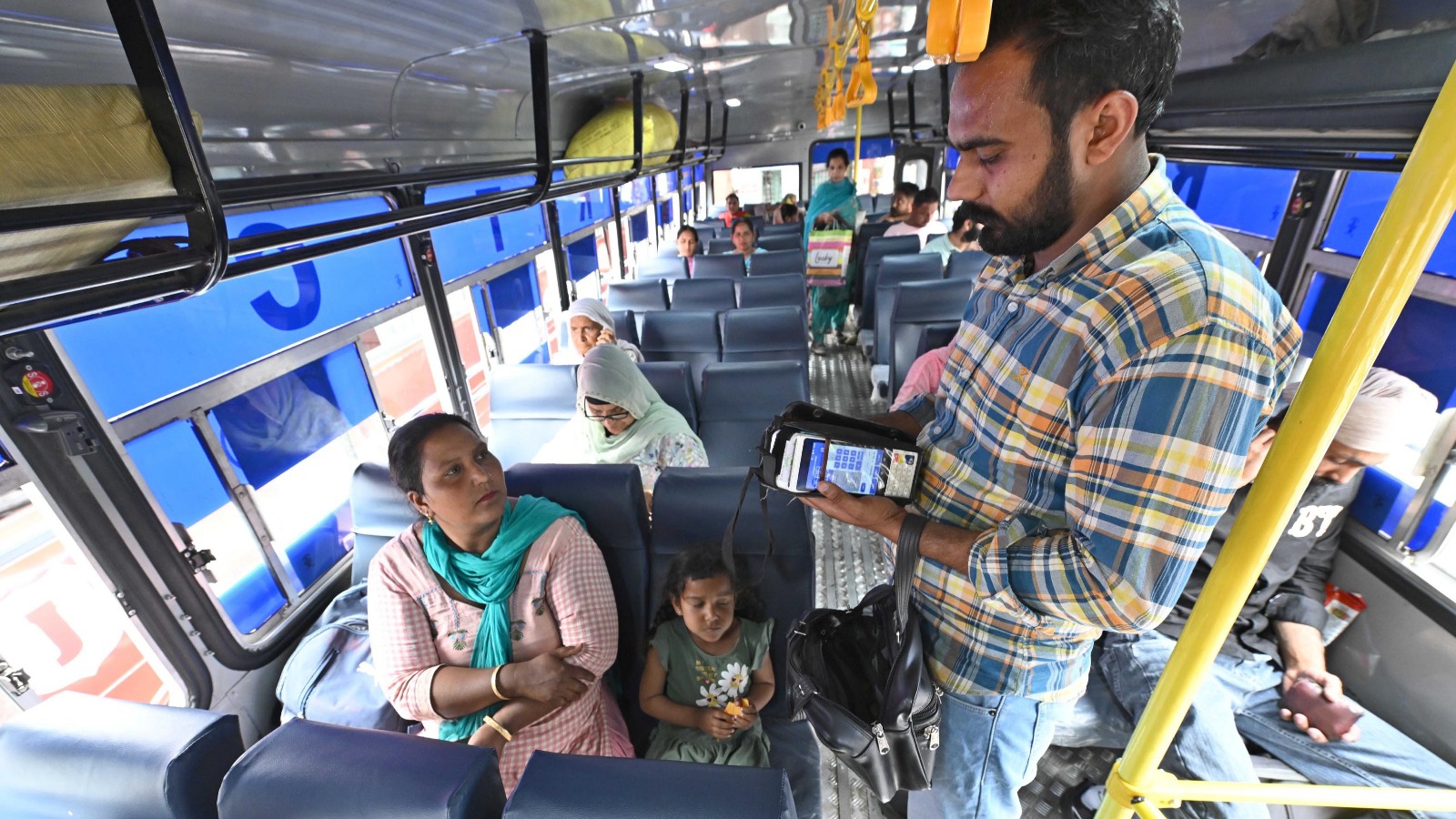
Buses are especially important for urban women: about one in five surveyed women who travel more than one kilometre to work mainly use a bus.
The comparable share for urban men is about one in fourteen.
Getting to work costs more each month for people in cities than for people in rural areas.
Some states provide free bus rides to women.
A research paper cited in the report says affordable transport can help women travel and take part in work.
The survey is intended to help authorities plan transport services and infrastructure.

A first-ever household travel survey found that 9% of Indians primarily use public transport to commute to work; 43% use two-wheelers and 3% use cars.
Among people travelling more than one kilometre to work, 6.7% primarily use buses, 2.1% use monorail or tram, and 0.2% use rail.
Among urban commuters travelling more than one kilometre, 21.7% of women primarily use buses, compared with 6.9% of men.
Urban commuters spend an average of Rs 1,044 per month travelling to work, compared with Rs 612 in rural areas and Rs 785 nationally.
The survey covered 20 lakh people in 14,274 villages and 10,377 urban blocks from July 2025 to June 2026.
- Who
- The Ministry of Statistics and Programme Implementation conducted the survey, gathering responses from 20 lakh people.
- What
- The National Household Travel Survey measured how people travel to work and what they spend on commuting.
- Where
- Across India, covering 14,274 villages and 10,377 urban blocks.
- When
- The survey was conducted from July 2025 to June 2026; its results were released on Monday.
- Why
- To inform regional transport planning and infrastructure development, identify gaps, and improve routes and service schedules.
Arguments for free bus travel
Concerns about free bus travel
Women’s mobility and work
Arguments for free bus travel
An IIT Bombay paper cited in the report says affordable public transport is closely linked to women’s workforce participation and argues that free bus schemes can support inclusive growth.
Concerns about free bus travel
The article says some critics describe free bus travel schemes as a “freebie”; it does not provide further details of their objections.
Key facts
- Public transport commuters
- 9% of Indians primarily use public transport to go to work.
- Most-used mode reported
- 43% primarily use two-wheelers; 3% use cars.
- Bus use among urban workers
- Among those travelling more than 1 km to work, 21.7% of urban women and 6.9% of urban men primarily use buses.
- Monthly commute spending
- Average expenditure is Rs 785 nationally, Rs 1,044 in urban areas, and Rs 612 in rural areas.
- Survey coverage
- Responses from 20 lakh people across 14,274 villages and 10,377 urban blocks.
- Survey period
- July 2025 to June 2026.
- Bus scheme expansion
- Tamil Nadu expanded its free bus travel scheme for women by removing the daily-trip limit; the expansion is expected to benefit more than 84 lakh women.
Quotes
Ministry of Statistics and Programme Implementation (MoSPI)
India’s ministry responsible for statistics and programme implementation.
“While monorail, metro, suburban rail, and trams account for 5% of urban worker commutes nationally, usage surges in Maharashtra (20.7%), West Bengal (16.5%), and Delhi (14.4%).”
 indianexpress.com
IIT Bombay paper, “Ticket to Ride”
Authors of an April 2026 paper on free public transport and women’s workforce participation in India.
“In areas where regressive social norms serve as a binding constraint against women’s mobility and their workforce participation, the free bus scheme for all women encourages higher ridership which provides a social cover for even more women to travel, thereby starting a virtuous cycle”
indianexpress.com
Sources
Related news

Survey Shows Two-Wheelers Lead Commutes, Buses and Trains Overnight
Nearly 97 Lakh More Women Use Free Telangana Bus Travel

Priyadarshini Scheme Boosts Women’s KSRTC Bus Use, Minister Says
Tamil Nadu Expands Women’s Free Bus Scheme on October 2
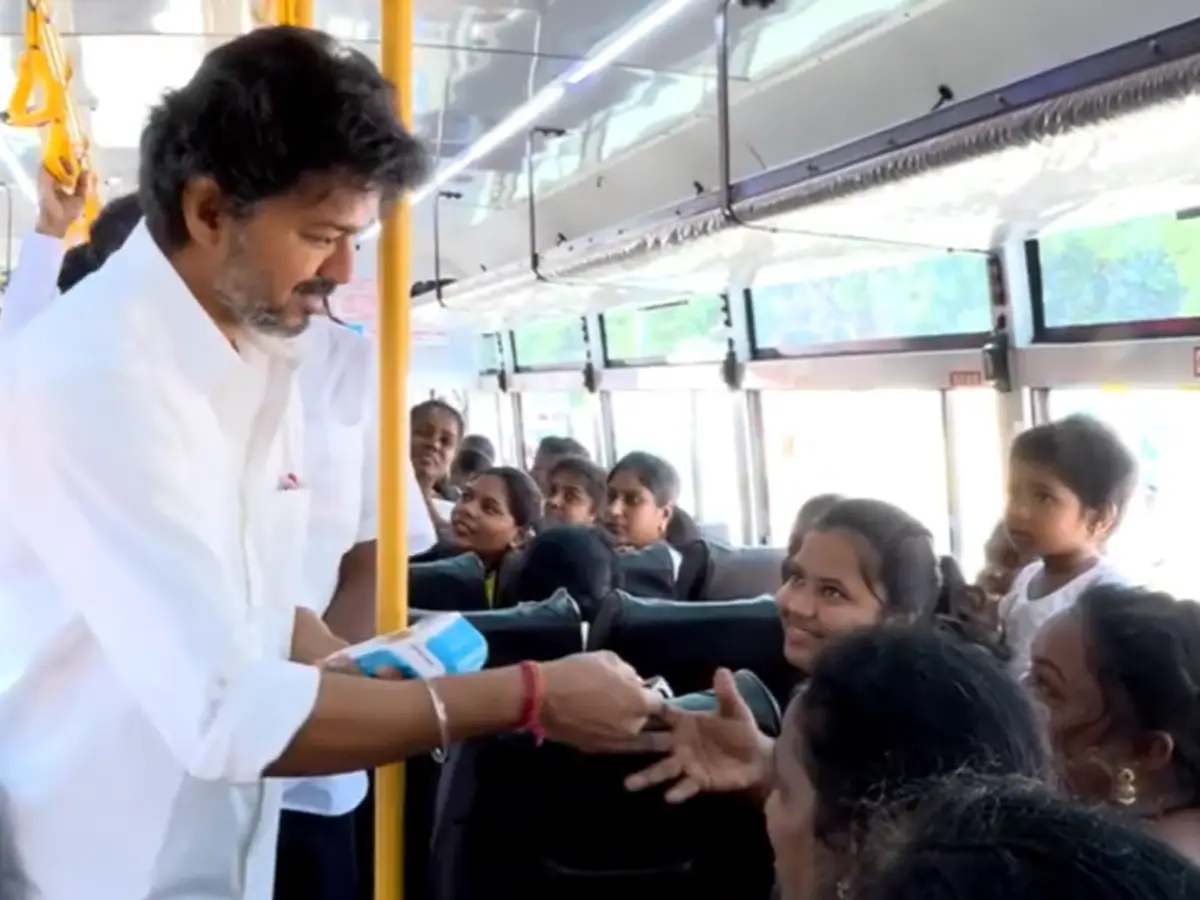
Tamil Nadu Expands Free Bus Travel for Women
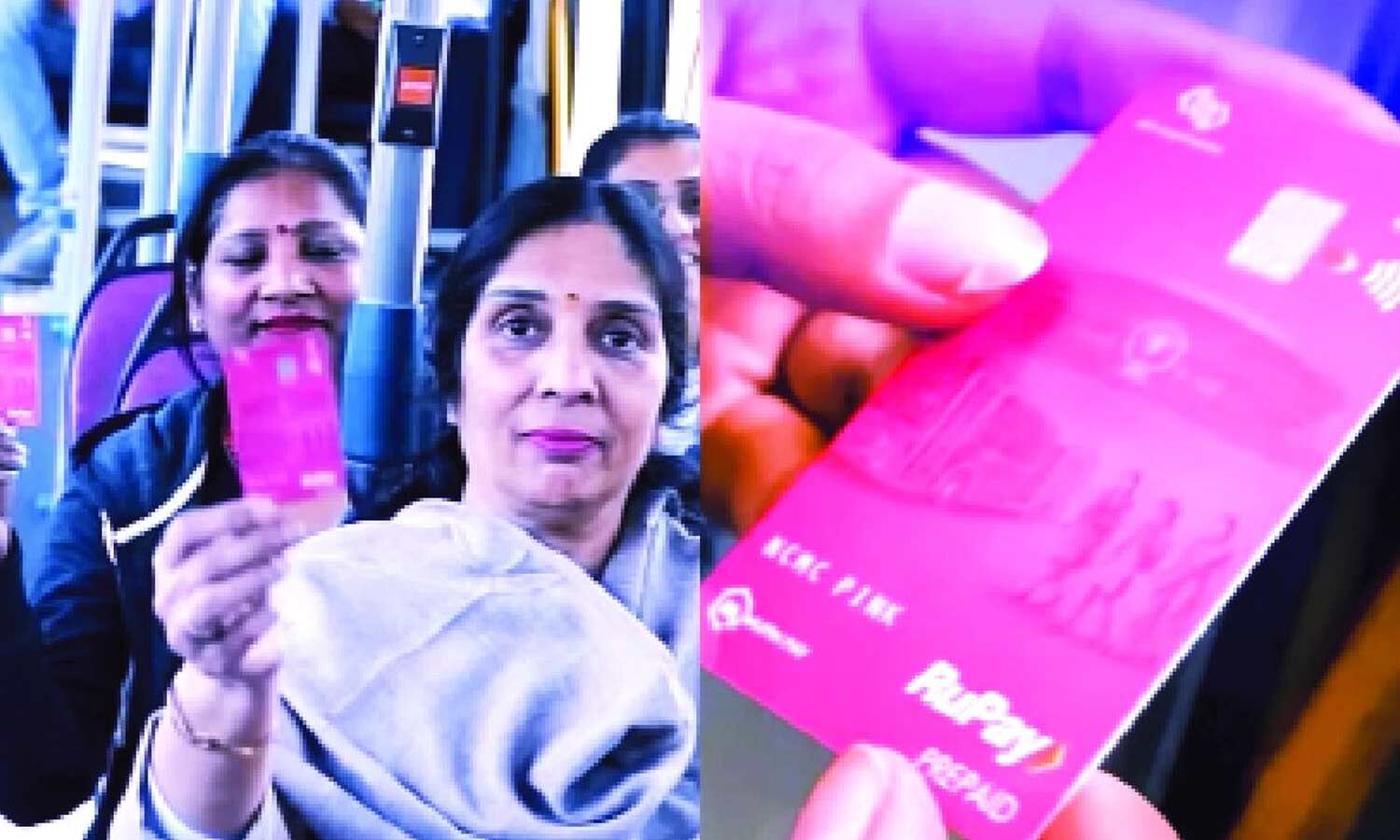
Delhi Makes Pink Saheli Card Mandatory for Free Bus Travel

Why a Large Retirement Corpus May Still Fall Short
Faith Drives Nearly Half of India’s Overnight Trips
India Growth Boosts Confidence as Indonesia Seeks Stronger Economic Ties
Factory wages rose 5% as Jharkhand recorded only decline