

7 hrs ago
Survey Shows Two-Wheelers Lead Commutes, Buses and Trains Overnight

A national survey looked at how people in India travel.
It found that many workers use two-wheelers to get to work.
For overnight journeys, people use buses most often, and many also travel by train.
Most overnight trips are for social, communication or religious reasons, rather than tourism.
Students most often walk to school or other educational institutions.
Most students and workers in the survey reached their destination in under 30 minutes.
Getting to work or school costs more on average for people in cities than for people in rural areas.
The survey is meant to help plan transport services and infrastructure.

Two-wheelers were the largest mode for travel to fixed workplaces, accounting for 42.6% of workers’ trips.
Buses made up 55.8% of overnight household journeys and inter-city railways 17.7%; cars accounted for 15.1% and two-wheelers 8.8%.
Social, communication and religious activities accounted for 70.2% of overnight trips, while tourism-related travel accounted for 7.4%.
Walking was the most common way students travelled to educational institutions, at 37%, followed by buses at 29.5%.
Average monthly commuting expenditure was ₹785 per worker and ₹443 per student, with higher averages in urban than rural areas.
- Who
- The National Statistics Office (NSO) surveyed 492,023 households and 2.03 million people across India.
- What
- The first all-India National Household Travel Survey reported travel modes, purposes, frequency, duration and expenditure.
- Where
- Across India, covering 14,274 villages and 10,377 urban blocks.
- When
- The survey was conducted between July 2025 and June 2026 and was released on Monday.
- Why
- To provide evidence for transport infrastructure planning, public transport routes and service scheduling.
Key facts
- Work travel
- Two-wheelers accounted for 42.6% of travel to fixed workplaces.
- Overnight travel
- Buses accounted for 55.8% of household overnight journeys; inter-city railways accounted for 17.7%.
- Overnight trip purposes
- Social, communication and religious activities accounted for 70.2% of overnight trips.
- Student travel mode
- Walking accounted for 37% of student trips to educational institutions.
- Survey coverage
- 492,023 households and 2.03 million people across 14,274 villages and 10,377 urban blocks.
- Average monthly work commute
- ₹785 per worker nationally; ₹1,044 in urban areas and ₹612 in rural areas.
- Average monthly student commute
- ₹443 nationally; ₹617 for urban students and ₹361 for rural students.
Sources
Related news
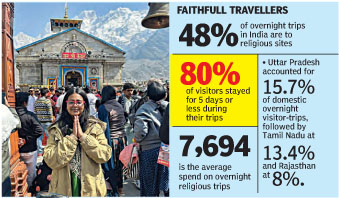
Faith Drives Nearly Half of India’s Overnight Trips

Religion Drives Nearly Half of India’s Overnight Trips
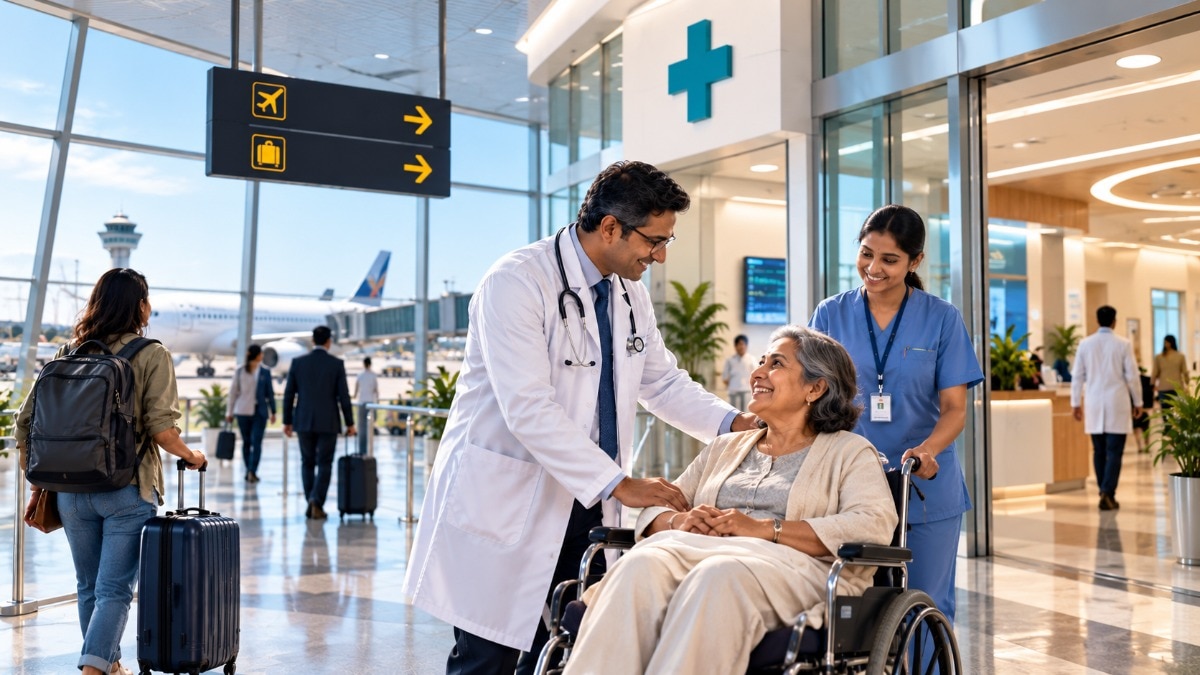
Medical Trips Drive India’s Domestic Travel and Spending

Uttar Pradesh Leads India in Total Visitor Trips

Medical Trips Cost Most as MoSPI Compares Domestic Travel Spending
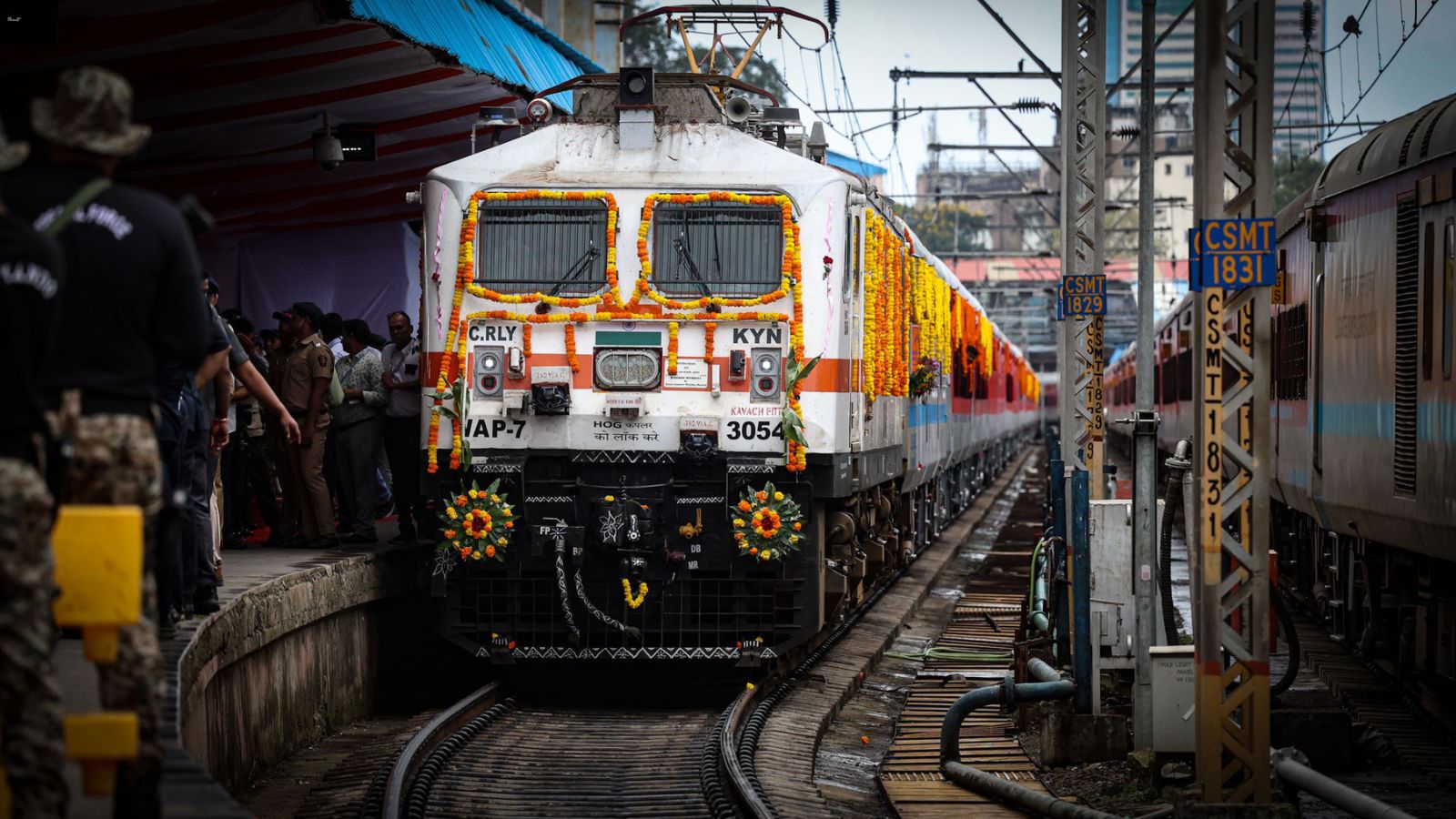
Indian Railways Passenger Traffic Rises in August 2026
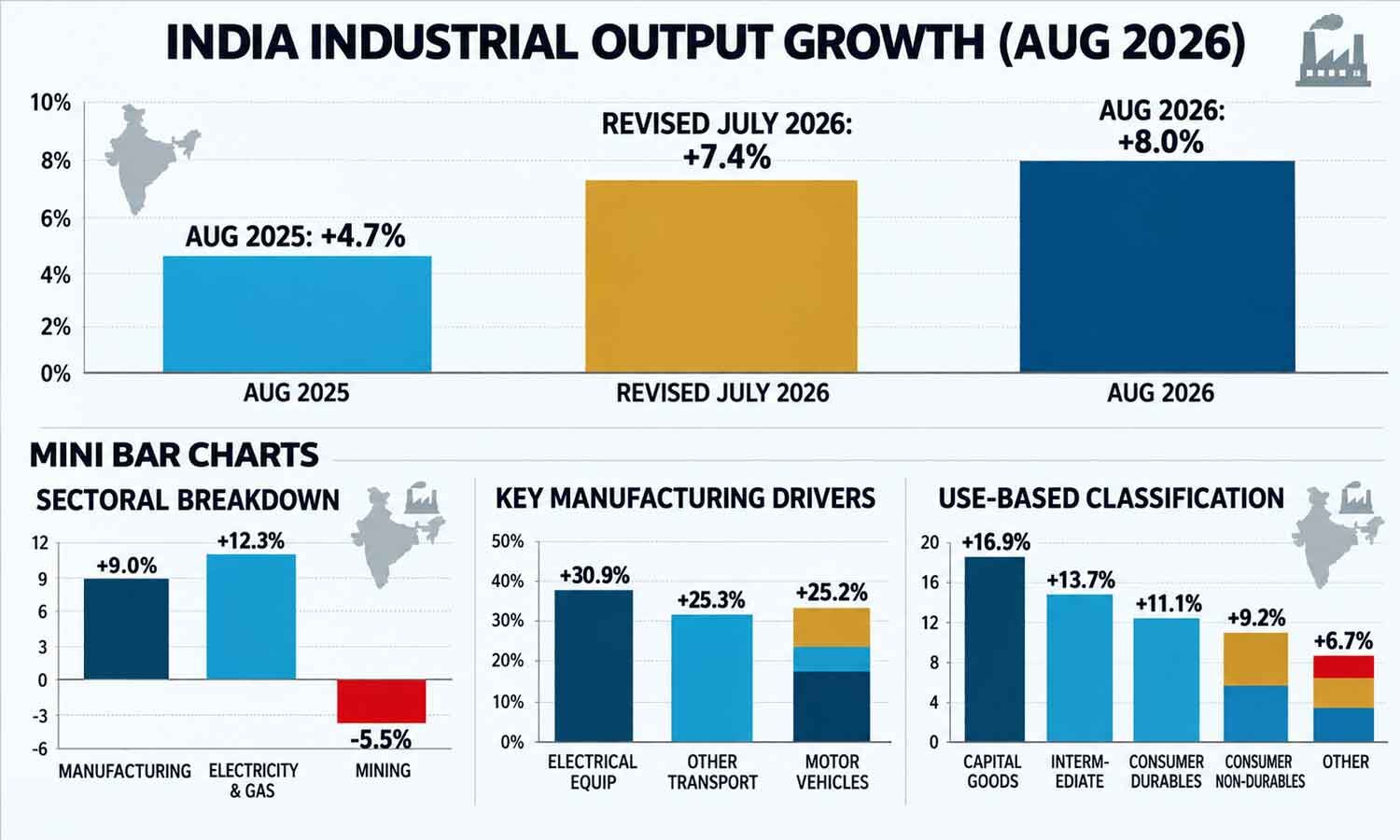
India’s Industrial Output Hits 8% in August, Manufacturing Leads

India’s First District Labour Data Reveals Wide Regional Gaps
India Unemployment Falls to 5% as Rural Jobs Improve

India’s Retail and Wholesale Inflation Rise in August
