

1 hr ago
Record Shipping Costs Drive US Crude Flows Toward Asia

It has become much more expensive to send American oil to Asia.
A large oil tanker carrying 2 million barrels now costs about $44.8 million to hire.
The price rose because fighting and supply problems in the Middle East have disrupted oil shipments.
Saudi Arabia also closed an important pipeline.
This makes oil from the United States more important to Asian buyers.
Buyers are still purchasing it because it can remain cheaper than other oil after shipping costs are included.
Tanker companies are charging more because some ships are avoiding dangerous routes.
Refineries are still buying oil because they can profit by turning it into fuels such as gasoline and diesel.

Shipping 2 million barrels of US crude to China now costs about $44.8 million.
The latest VLCC shipping cost is up from $39 million a day earlier and $17.8 million before late February.
Middle East supply disruptions, including Saudi Arabia’s East-West pipeline closure, have increased reliance on American oil.
Despite higher freight costs, US crude remains cheaper in Asia than competing grades such as Murban.
Six VLCCs are scheduled to load US Gulf Coast crude for Asia in October, according to Kpler.
- Who
- Asian oil buyers, US Gulf Coast suppliers, tanker operators, and refiners are involved.
- What
- The cost of shipping 2 million barrels of US crude to China reached a record $44.8 million.
- Where
- The crude would travel from the US Gulf Coast to China and other Asian markets, amid disruptions around the Strait of Hormuz.
- When
- As of Tuesday; the article also says six tankers are scheduled to load in October.
- Why
- Middle East conflict and supply disruptions have reduced available shipments and increased the risks and costs of tanker routes.
Key facts
- Record shipping cost
- About $44.8 million to hire a VLCC for 2 million barrels from the US Gulf Coast to China.
- Previous day’s cost
- About $39 million.
- Pre-conflict cost
- About $17.8 million before the war in Iran began in late February.
- Saudi pipeline closure
- Saudi Arabia closed its East-West pipeline, a key route for bypassing Strait of Hormuz disruptions.
- Competing crude
- West Texas Intermediate delivered to Asia remains cheaper than competing cargoes such as Murban.
- Scheduled shipments
- Kpler data showed six VLCCs scheduled to load US Gulf Coast crude for Asia in October.
- Demand conditions
- Refiners continue purchasing crude because processing it into diesel and gasoline remains profitable.
Sources
Related news

Oil Prices Rise Fourth Day as Hormuz Fears Grow

Oil Prices Surge Above $90 as US-Iran Tensions Escalate

West Asia Conflict Pushes Oil Prices Above $100 a Barrel
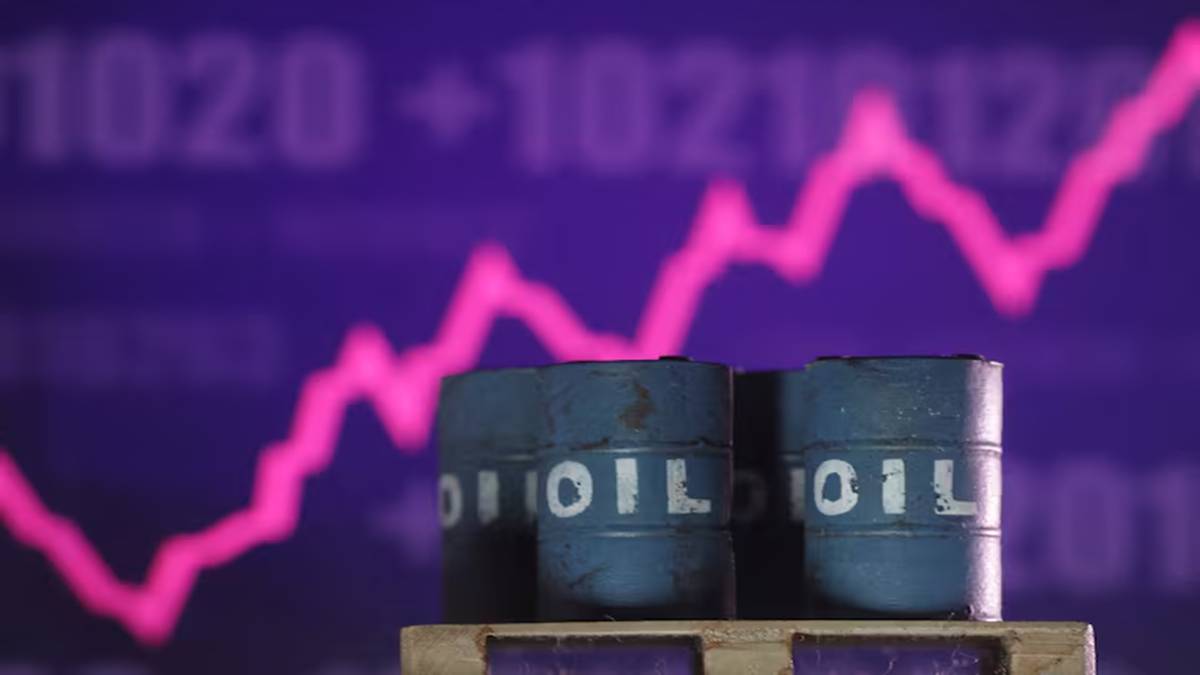
Oil Prices Rise as US-Iran Strikes Threaten Hormuz Supplies
Oil Nears $100 as Fresh US-Iran Strikes Revive Hormuz Fears
Oil Surges Above $90 as Hormuz Risks Intensify

US, Israeli, Arab Commanders Held Secret Iran War Meeting

US Says It Destroyed Iranian Boats Over Drone Attempt

Houthi Chokepoint Seizure Exposes Deep Divisions Inside BRICS

US 10-Year Treasury Yield Hits Highest Level Since 2007
