

2 hrs ago
Orissa High Court Orders Fresh Disability Assessment for NEET Candidate
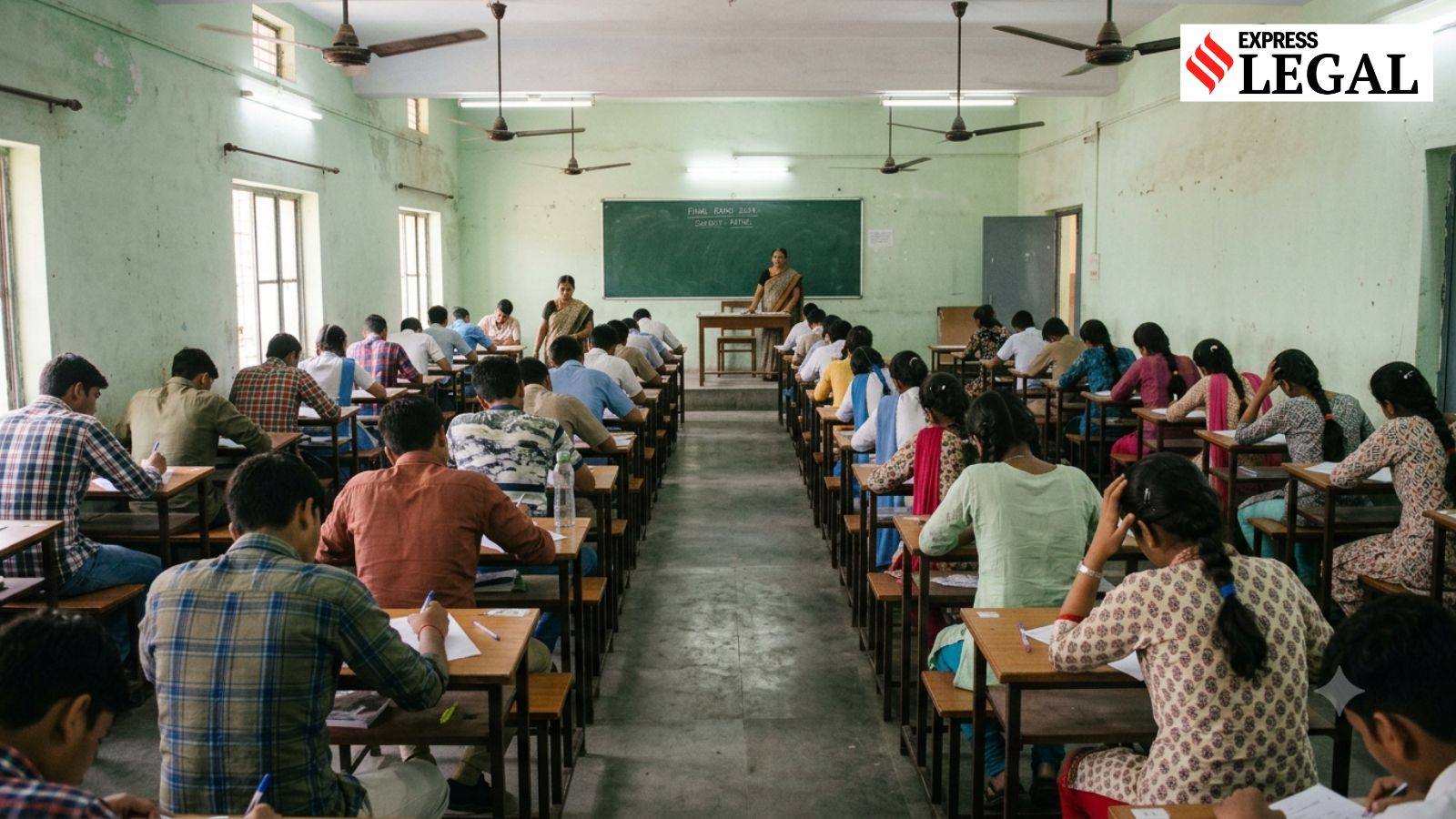
A student wanted to use the disability quota for NEET.
She said she had Beta Thalassemia Trait and provided a certificate showing more than 40 percent disability.
A medical board disagreed and said the condition did not cause enough functional problems for a disability certificate.
The Orissa High Court reviewed the decision.
The court said thalassemia is included among specified disabilities in the law.
It also said the board should not assess her using rules meant for a different type of disability.
The court cancelled the board’s report.
A new medical board must now decide her disability percentage and whether she qualifies for the benefit.

The Orissa High Court quashed a medical board report rejecting a NEET candidate’s thalassemia disability claim.
The candidate had submitted a certificate stating that her disability exceeded 40 percent.
The medical board classified her Beta Thalassemia Trait as an asymptomatic carrier state without significant functional disability.
The court said thalassemia is listed as a specified disability under applicable disability law and regulations.
The Director of Medical Education & Training, Odisha, must constitute a fresh board to assess her disability percentage.
- Who
- A NEET candidate, the medical assessment board, the Orissa High Court, and Odisha medical education authorities.
- What
- The court set aside a report rejecting the candidate’s thalassemia disability claim and ordered a fresh assessment.
- Where
- The matter was heard by the Orissa High Court and concerns medical education authorities in Odisha.
- When
- The order was passed on September 10; the court had earlier allowed a representation on August 20.
- Why
- The court found that rejecting the claim because Beta Thalassemia Trait did not cause locomotor or functional disability conflicted with the legal recognition of thalassemia as a specified disability.
Medical Board’s Position
High Court’s Position
Whether the condition qualifies as a disability
Medical Board’s Position
The board said Beta Thalassemia Trait is an asymptomatic carrier state that causes no significant functional disability and does not justify a disability certificate.
High Court’s Position
The court said thalassemia is included as a specified disability, so the claim could not be rejected on that basis without assessing the applicable disability percentage.
Assessment criteria
Medical Board’s Position
The board’s assessment focused on the absence of functional or locomotor disability.
High Court’s Position
The court said the board had applied a locomotor-disability approach to a condition that does not affect functional ability and had exceeded the relevant assessment boundaries.
Key facts
- Condition
- Beta Thalassemia Trait, described by the medical board as an asymptomatic carrier state.
- Claimed disability
- The candidate submitted a certificate indicating disability above 40 percent.
- Court
- Orissa High Court division bench comprising Chief Justice Harish Tandon and Justice Chittaranjan Dash.
- Relevant law
- Rights of Persons with Disabilities Act, 2016.
- Relevant notification
- A May 13, 2019 notification includes thalassemia among specified disabilities and sets percentage-based eligibility criteria for medical-course admissions.
- Required action
- The Director of Medical Education & Training, Odisha, must constitute a fresh medical assessment board.
Quotes
Orissa High Court division bench
Division bench comprising Chief Justice Harish Tandon and Justice Chittaranjan Dash
“The moment the statute has included a particular disease as a disability, the assessment by the Medical Assessment Board should be restricted on the same, and it cannot transgress such boundaries and include the other category of the disability as a benchmark disability.”
 indianexpress.com
Sources
Related news
Calcutta High Court orders EWS certificate for NEET-UG aspirant

Rajasthan High Court Orders ESIC Certificate for NEET Student

Gauhati High Court Gives NEET Candidate Relief After Power Cut

Three-Foot Ganesh Baraiya Becomes Government Doctor After Legal Battle

High Court Restores 2013 MBBS Admission, Orders Degree Issuance

MCC Activates PwD Portal For NEET UG Round 2
UGC Orders Disability Compliance, Data Submission By September 2026

Kerala Launches First Elder-Friendly Certification for Public Offices
Free BEST Rides Coming for Disabled People Across Mumbai
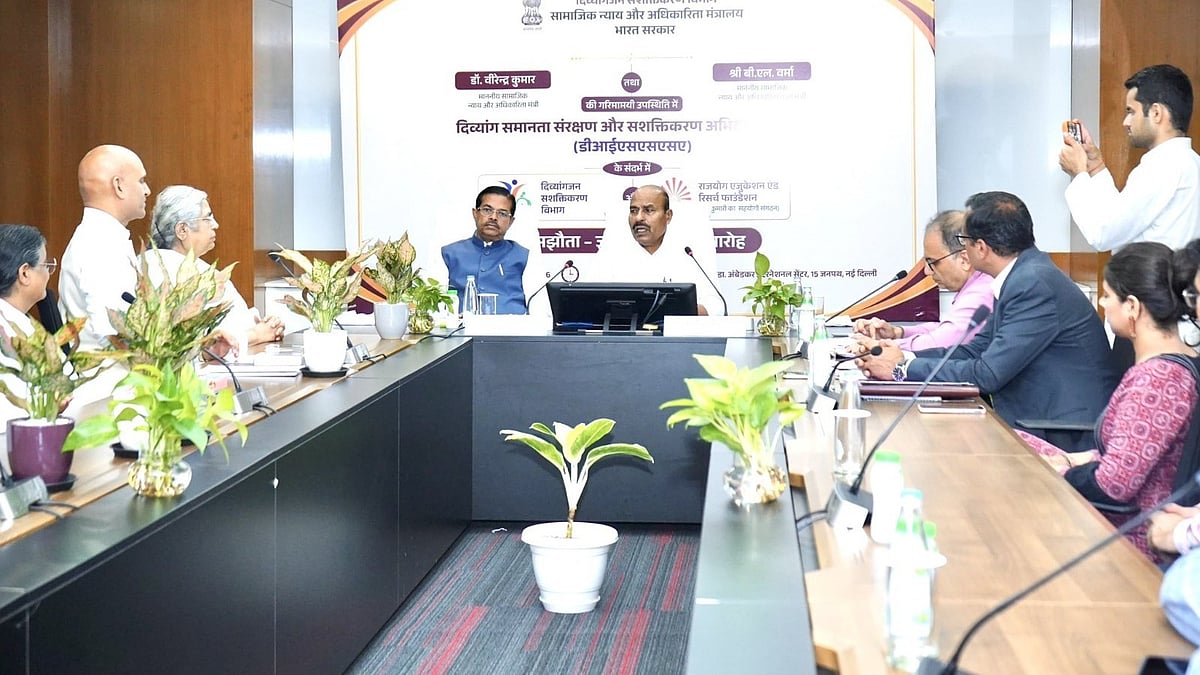
India Launches DISSSA Campaign to Empower Persons with Disabilities
