

1 hr ago
India’s Hospital Boom Leaves Access and Affordability Questions
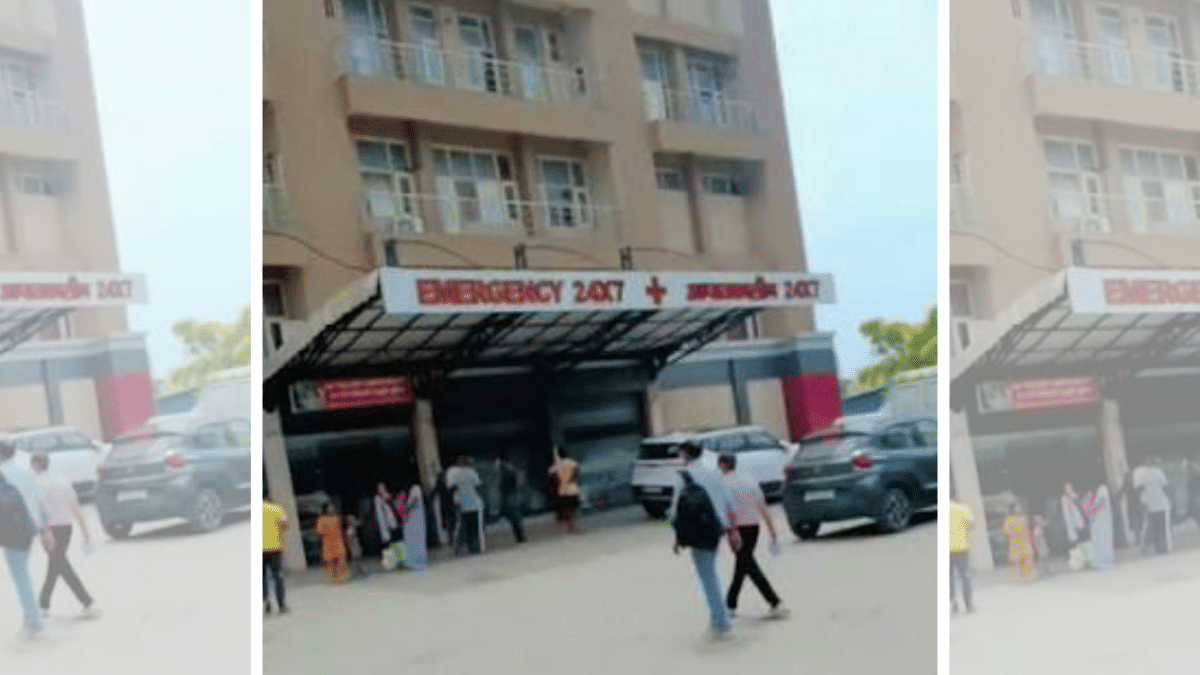
India has built many hospitals, and some can provide very advanced treatment.
But having many hospitals does not mean everyone can easily get the care they need.
Big cities have more specialist hospitals than many smaller towns and rural areas.
Some treatments and related costs can be difficult for families to afford.
Hospitals also need enough doctors, nurses, and other trained workers.
The article says good healthcare includes prevention and local primary care, not just hospitals.
Online consultations may help connect patients with specialists, but they cannot do everything.
The challenge is to make good care available and affordable for people wherever they live.

The article cites around 43,486 private hospitals and 25,778 public and government hospitals in India.
More than 36,000 hospitals are described as empanelled under Ayushman Bharat–Pradhan Mantri Jan Arogya Yojana.
The author says hospital numbers do not reveal differences in location, capacity, staffing, quality, or cost.
Specialised hospitals are concentrated in major cities, while many smaller towns and rural areas rely heavily on government facilities.
The article calls for stronger primary care and better access, affordability, workforce distribution, and use of technology.
- Who
- The article is by subscriber P S Parameswaran and discusses patients, healthcare providers, insurers, and government.
- What
- It argues that India’s hospital expansion has not resolved unequal access to affordable, quality care.
- Where
- India.
- When
- Not specified.
- Why
- The article highlights uneven distribution of facilities and medical staff, treatment costs, and gaps in primary and preventive care.
Expansion and specialised care
Unequal access and affordability
Role of private hospitals
Expansion and specialised care
Private hospital networks have expanded specialised and advanced treatment options, and the sector has helped transform India’s medical landscape.
Unequal access and affordability
Corporate hospitals tend to cluster in major cities, and treatment costs can burden families, especially when expenses fall outside insurance coverage.
Hospital growth versus healthcare access
Expansion and specialised care
India has a substantial hospital network, including public facilities and hospitals empanelled under a government health scheme.
Unequal access and affordability
Facility counts alone do not guarantee access to doctors, specialists, beds, diagnostic services, affordable treatment, or care near people’s homes.
Technology and system needs
Expansion and specialised care
Telemedicine, digital health records and AI-assisted diagnostics could connect specialists with patients in smaller towns.
Unequal access and affordability
Technology cannot replace physical infrastructure, trained staff, or strong primary and preventive healthcare.
Key facts
- Private hospitals
- Around 43,486, according to the article.
- Public and government hospitals
- About 25,778, according to the article.
- AB-PMJAY empanelled hospitals
- More than 36,000 public and private hospitals.
- Listed hospital companies
- Around 39 are listed on Indian stock exchanges; roughly 34 to 36 are described as profitable.
- Major access challenges
- Affordability, uneven distribution of healthcare workers, rural-urban gaps, and limited capacity.
- Proposed technology tools
- Telemedicine, digital health records, AI-assisted diagnostics, and remote consultations.
- Byline
- P S Parameswaran, identified as an entrepreneur, qualified corporate director, and freelance writer.
- Publication note
- ThePrint says subscriber submissions are published as received and have not been edited or fact-checked.
Sources
Related news
India’s Healthcare Expansion Masks a Persistent Public-System Deficit

Hospital Leaders Urge Care Beyond Hospitals to Patients’ Doorsteps

PB Health Doubles Down on Hospitals With ₹10,000 Crore Plan
New Town’s Hospital Boom Adds 2,000 Beds, Expands Healthcare Capacity

India Is Overmedicated in Some Places, Undertreated in Others
Patient Groups Seek Caps on Private Hospital Charges and Medicine Margins

Valley of Words and JGU Launch ANEK Translation Festival

Why Indian Health Insurance Policyholders Still Pay Hospital Bills

Octavius Promotes Instant Chai Premixes for Winter Homes and Offices
Indians Show Selective Willingness to Pay More for Healthier Foods
