

1 hr ago
India Is Overmedicated in Some Places, Undertreated in Others
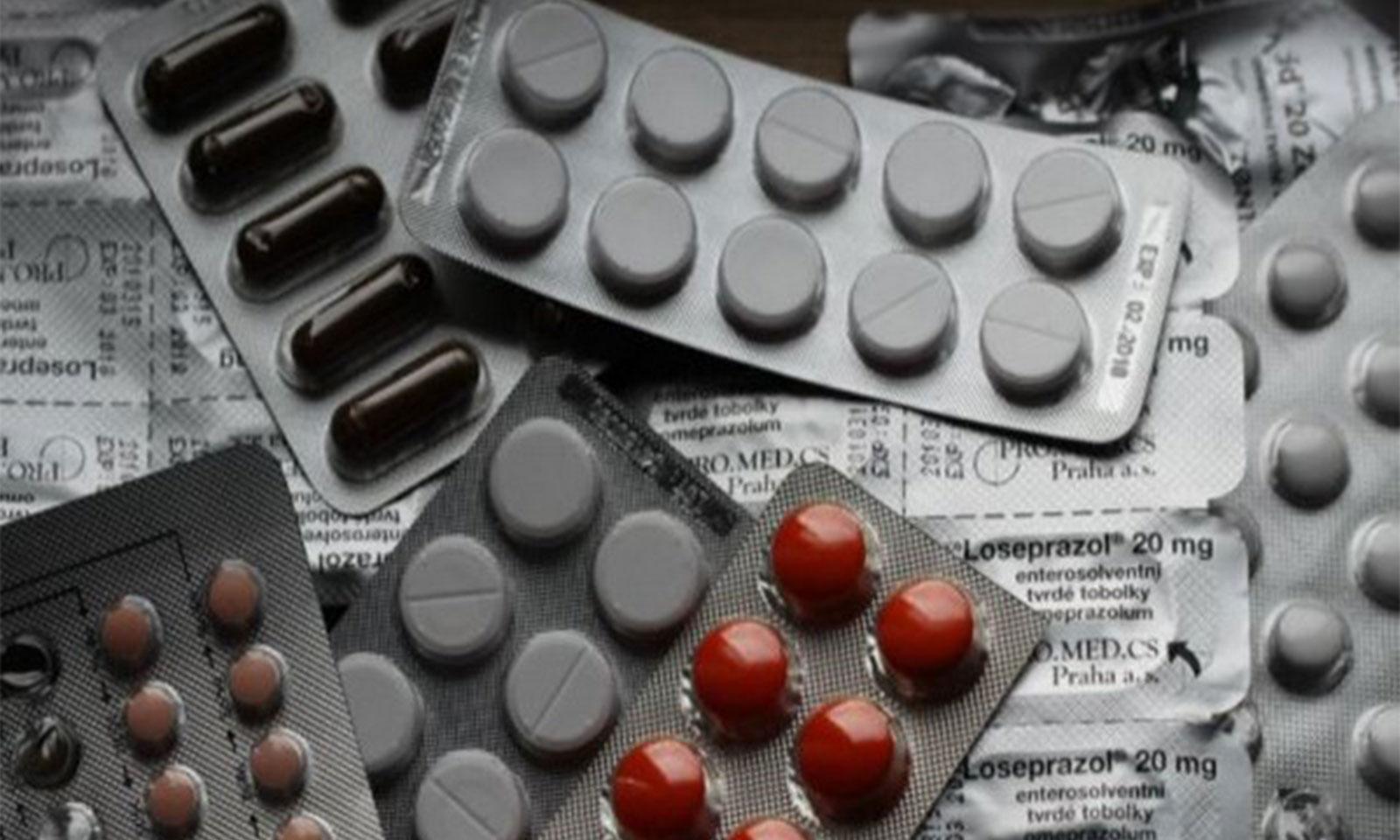
The article says people in India can have very different healthcare experiences.
Some people get many tests and medicines they may not need.
Other people cannot get simple check-ups or medicines that they do need.
A test result outside the usual range does not always mean someone is sick.
Extra tests and pills can sometimes cause worry, side effects and costs.
But waiting too long to treat real problems can also be dangerous.
Doctors should look at the whole person, not just one number on a report.
India needs stronger basic healthcare and reliable access to essential medicines.
The goal is to give each person the right care at the right time.

The article describes a divide between excessive tests and prescriptions in some urban settings and inadequate basic care elsewhere.
Minor or isolated test abnormalities can lead to unnecessary diagnoses, medicines, follow-up tests and anxiety.
Many people still lack regular checks, timely diagnosis, chronic-disease follow-up or reliable access to essential medicines.
The author says good care depends on clinical judgement and primary healthcare, not simply adding tests, machines or specialists.
India needs to reduce unnecessary treatment while ensuring people who need care receive it promptly.
- Who
- People receiving healthcare in India, including those facing over-treatment and those lacking needed care.
- What
- An opinion article argues that Indian healthcare is marked by both unnecessary medical intervention and inadequate treatment.
- Where
- India, contrasting better-served urban areas with towns and villages where care may be harder to access.
- When
- The article describes the situation as a current healthcare problem.
- Why
- The author attributes the imbalance to medicine that is not proportionate to patients’ needs and calls for stronger primary care and clinical judgement.
Avoid unnecessary intervention
Ensure needed care
Tests and medicines
Avoid unnecessary intervention
More testing or prescribing is not automatically better; unnecessary care can cause side effects, anxiety and added costs.
Ensure needed care
Restraint must not become neglect: people who need diagnosis and treatment should receive them promptly.
Treatment decisions
Avoid unnecessary intervention
Some minor abnormalities or non-emergency concerns can be monitored while lifestyle changes are considered.
Ensure needed care
Urgent conditions and genuine needs, including hypertension and diabetes, require timely investigation or treatment.
Key facts
- Author
- Chandrakant Lahariya, a practising physician and author
- Central issue
- Some patients receive unnecessary tests or medicines while others lack basic or continuing care.
- Examples of overtreatment
- Repeated testing, scans, supplements and prescriptions prompted by minor or isolated abnormalities.
- Examples of undertreatment
- Poorly monitored hypertension, late diabetes diagnosis, limited follow-up and unreliable access to essential medicines.
- Proposed emphasis
- Stronger primary healthcare and decisions based on clinical judgement and the whole patient.
- Author's book
- Pill-Free: You Don’t Need Everything You Have Been Prescribed
Quotes
Patient quoted in the article
An unnamed patient whose wellbeing is contrasted with a laboratory report showing an abnormal value.
“I feel perfectly well”
 deccanchronicle.com
Sources
Related news
India's Heart Story: Prevention Must Become Healthcare's Next Priority
India’s Healthcare Expansion Masks a Persistent Public-System Deficit
AIIMS Obesity Clinic Sees Patient Numbers Surge as States Follow
Hyderabad Medical Associations Reject Generalized Private Hospital Fee Allegations
Experts Warn Irrational Medicine Use Can Cause Serious Health Problems
Are Rising SSRI Prescriptions Appropriate, or Too Frequent?

Five Books Explore Politics, Health, Startups, Gender, and Identity

H1N1 Cases Rise in North India; Experts Urge Caution
