2 hrs ago
Why Indian Health Insurance Policyholders Still Pay Hospital Bills

Having health insurance does not always mean the insurer pays the whole hospital bill.
A policy only covers costs according to its rules.
If the bill is bigger than the amount insured, the patient may have to pay the extra.
Some illnesses are covered only after a waiting period.
A co-payment means the patient pays a set share of eligible bills.
Policies can also exclude certain treatments or charges.
The article says people should read policy details carefully and choose enough coverage.
It also suggests considering a super top-up plan if existing coverage may be too small.
This is a sponsored article, not reporting written by ThePrint journalists.

Health insurance may not cover every hospital expense; some costs remain the policyholder’s responsibility.
Bills exceeding the policy’s sum insured may need to be paid out of pocket.
Treatment during an applicable waiting period may not qualify for a claim.
Co-payments and policy exclusions can leave patients responsible for part or all of certain expenses.
The sponsored article recommends checking policy terms, choosing adequate coverage, and considering a super top-up plan.
- Who
- People with individual health insurance policies in India.
- What
- An explanation of why insured people may still pay some hospital expenses and how the article says they can reduce those costs.
- Where
- India.
- When
- Why
- Policy limits, waiting periods, co-payment clauses, and exclusions can leave some medical expenses uncovered.
Policyholder considerations
Insurer and policy terms
What insurance covers
Policyholder considerations
Policyholders may expect insurance to cover hospital expenses, but can still face out-of-pocket costs.
Insurer and policy terms
Coverage depends on policy conditions, including limits, waiting periods, co-payments, and exclusions.
Key facts
- Article type
- Paid-for sponsored article published under ThePrint BrandIt.
- Coverage limit
- Costs above the sum insured may have to be paid by the policyholder.
- Waiting periods
- A claim may not be eligible for an illness or condition if its waiting period has not ended.
- Co-payment example
- With a 20% co-payment, the policyholder pays 20% of eligible hospital expenses.
- Other possible costs
- Expenses for policy exclusions may need to be paid directly by the policyholder.
- Ways to manage costs
- The article suggests adequate coverage, reviewing policy terms, buying at a younger age, and considering a super top-up plan.
- Insurer mentioned
- TATA AIG is presented as offering customised health insurance plans.
Sources
Related news

Proposed 10% Health Insurance Co-Pay Could Lower Premiums

Cashless Health Insurance Still Leaves Policyholders With Out-of-Pocket Costs

Best Practices for Filing Health Insurance Claims in India

Five Health Insurance Features That Determine Real Hospital Coverage

India Building Collapse Raises Questions About Health Insurance Coverage
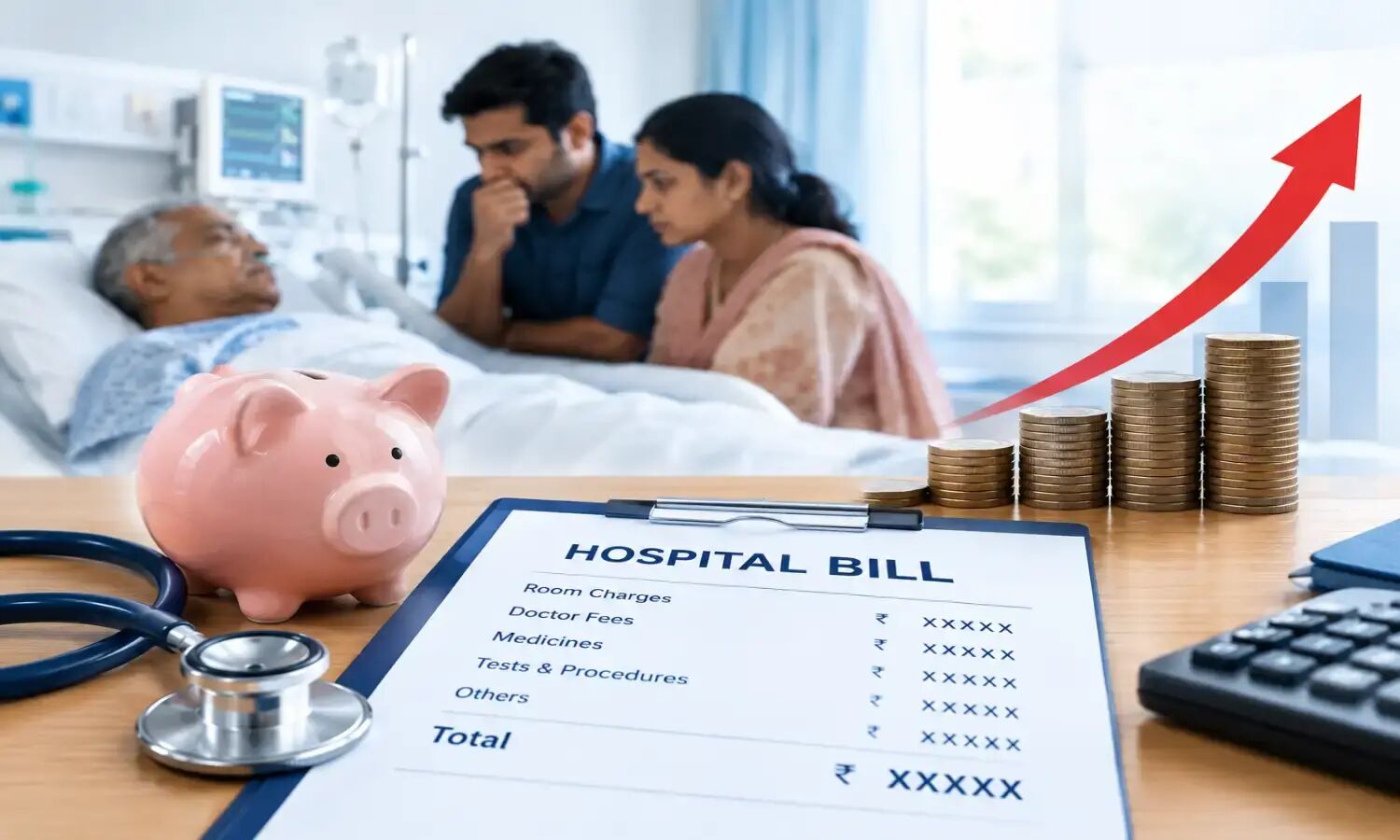
Rising Hospital Costs in India Put Family Finances Under Pressure

Octavius Promotes Instant Chai Premixes for Winter Homes and Offices
Indians Show Selective Willingness to Pay More for Healthier Foods

How One App Connects Demat, Trading and Market Information

India’s Growth, War Impact and Supply Chain Challenges Discussed