5 days ago
Nepal Flood Raises Questions About Early Warning Failures

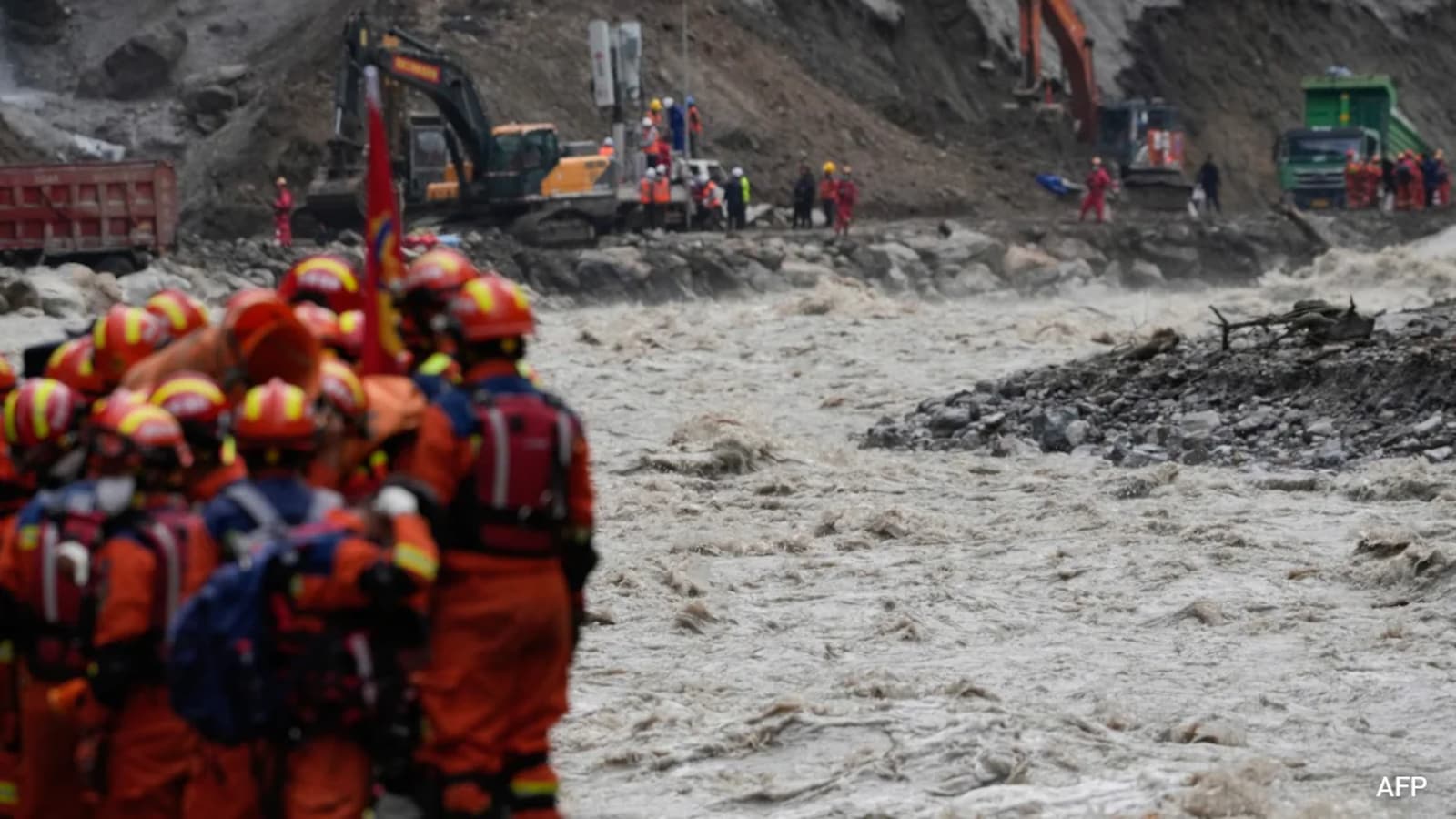
A very large flow of water and mud rushed through parts of Nepal.
It moved so quickly that some buildings were covered within seconds.
The disaster has caused deaths, and the number of reported deaths is rising.
People are asking whether the flooding could have been noticed sooner.
They also want to know whether warnings could have been sent to communities farther downstream.
Earlier warnings might have given people more time to leave.
Experts are studying what happened.
They are trying to understand whether anything went wrong with detecting or communicating the danger.

A wall of water and mud swept rapidly through parts of Nepal.
Buildings were engulfed within seconds during the disaster.
The reported death toll is rising.
Questions are being raised about whether the flooding could have been detected earlier.
Experts are examining whether downstream communities could have received more evacuation time.
- Who
- People in parts of Nepal were affected, while experts are examining the disaster.
- What
- A deadly flood involving a fast-moving wall of water and mud swept through communities.
- Where
- Parts of Nepal, including communities downstream.
- When
- Why
- The article does not establish why the flooding occurred; it raises questions about whether it could have been detected earlier and communicated more quickly.
Key facts
- Disaster
- A deadly flood involving water and mud.
- Location
- Parts of Nepal.
- Speed
- Buildings were engulfed within seconds.
- Deaths
- The death toll is rising.
- Main question
- Whether the flooding could have been detected earlier.
- Evacuation concern
- Whether downstream communities could have received more time to evacuate.
Sources
Related news

Satellite Warning Signs Raised Questions After Nepal-China Glacier Disaster

Nepal Flash Floods Kill 157, Leave 500 Missing; India Responds
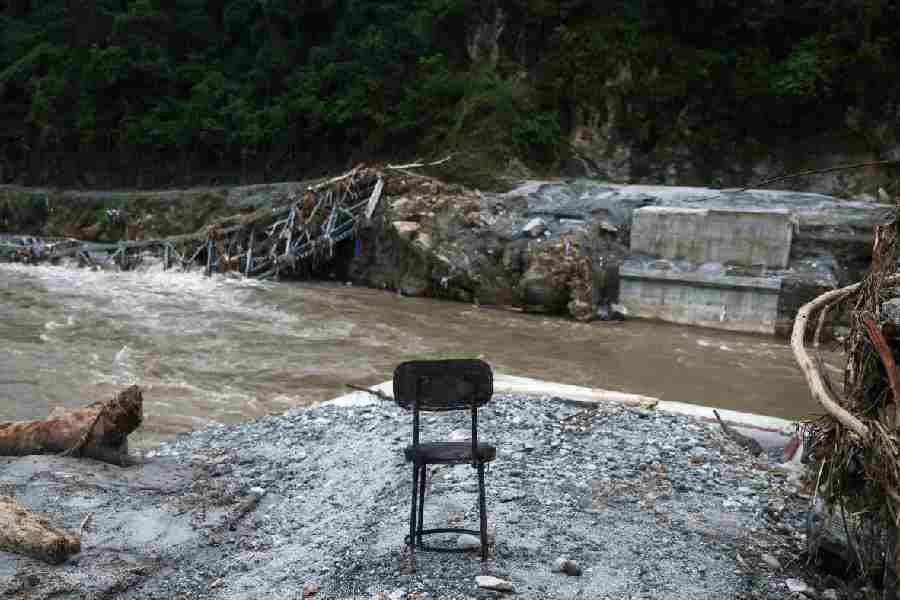
Nepal’s Sudden Ice Collapse Exposes Gaps in Flood Warnings
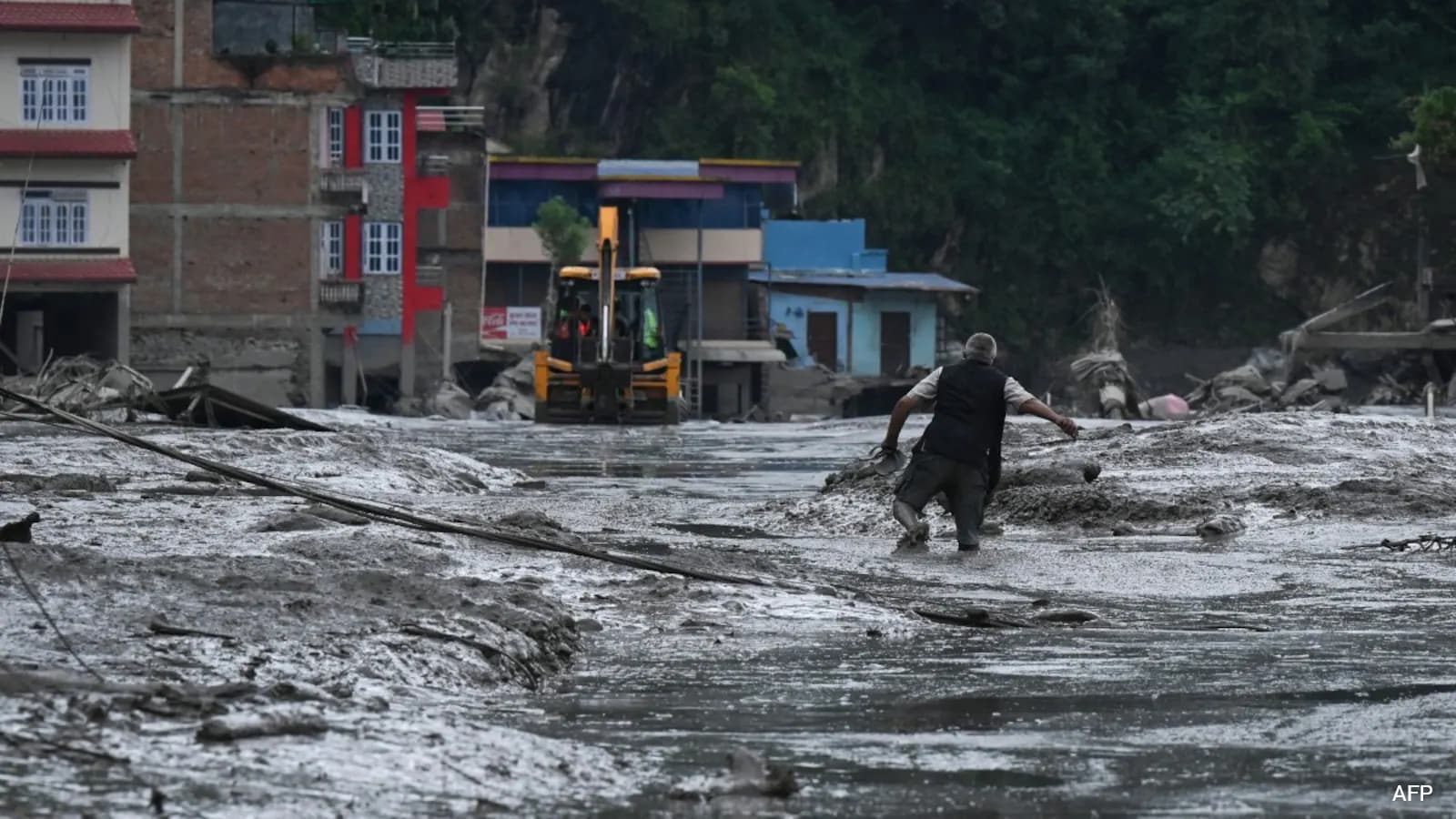
Scientists Investigate Deadly Nepal Floods After Landslide and River Blockage
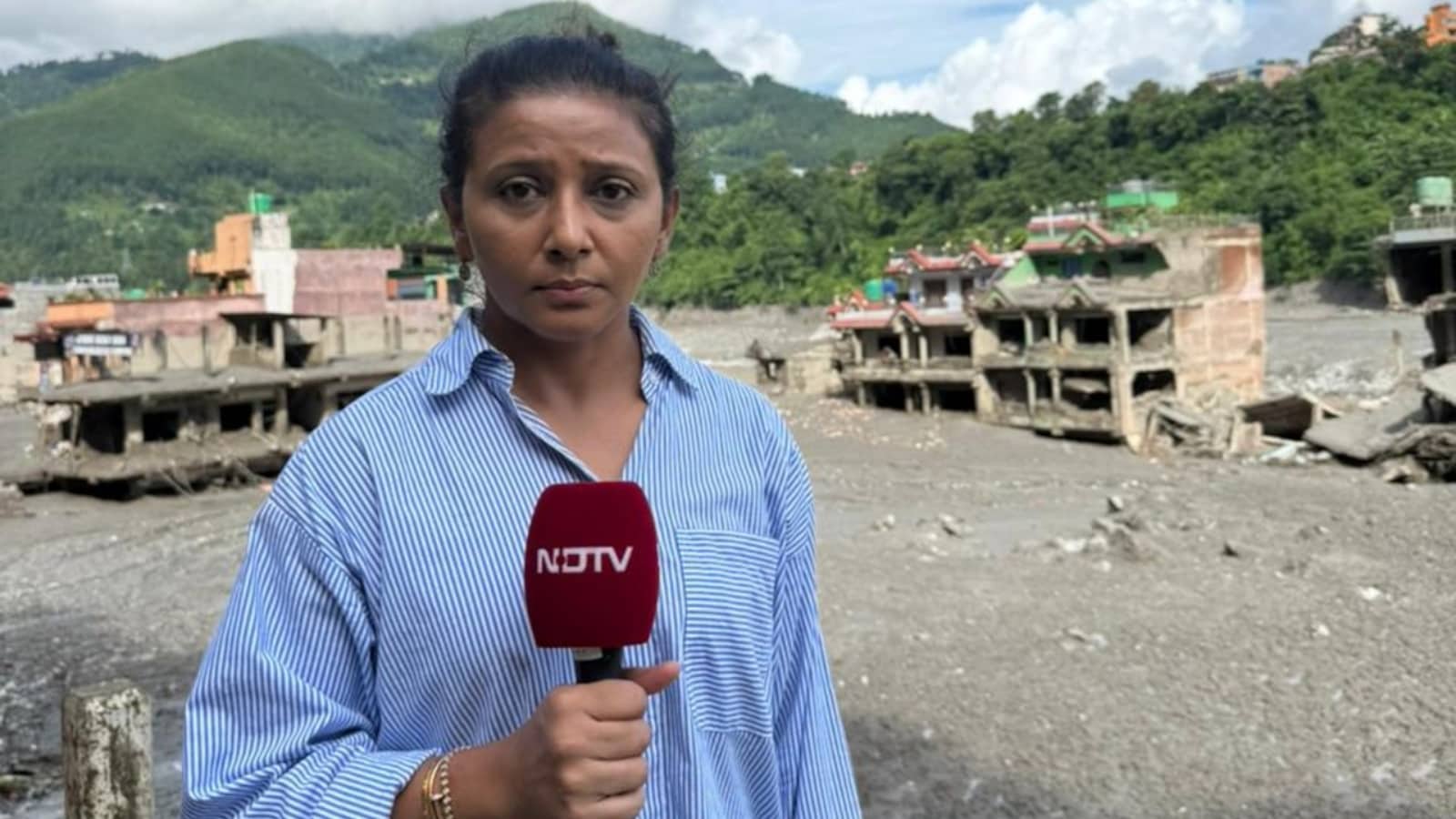
Flash Floods Swallow Nepal Villages, Leaving Hundreds Missing

Nepal Floods Kill 350+, Raise Questions Over Dam Warnings

Nepal Flash Flood Death Toll Reaches 1,252 Amid Ongoing Rescue
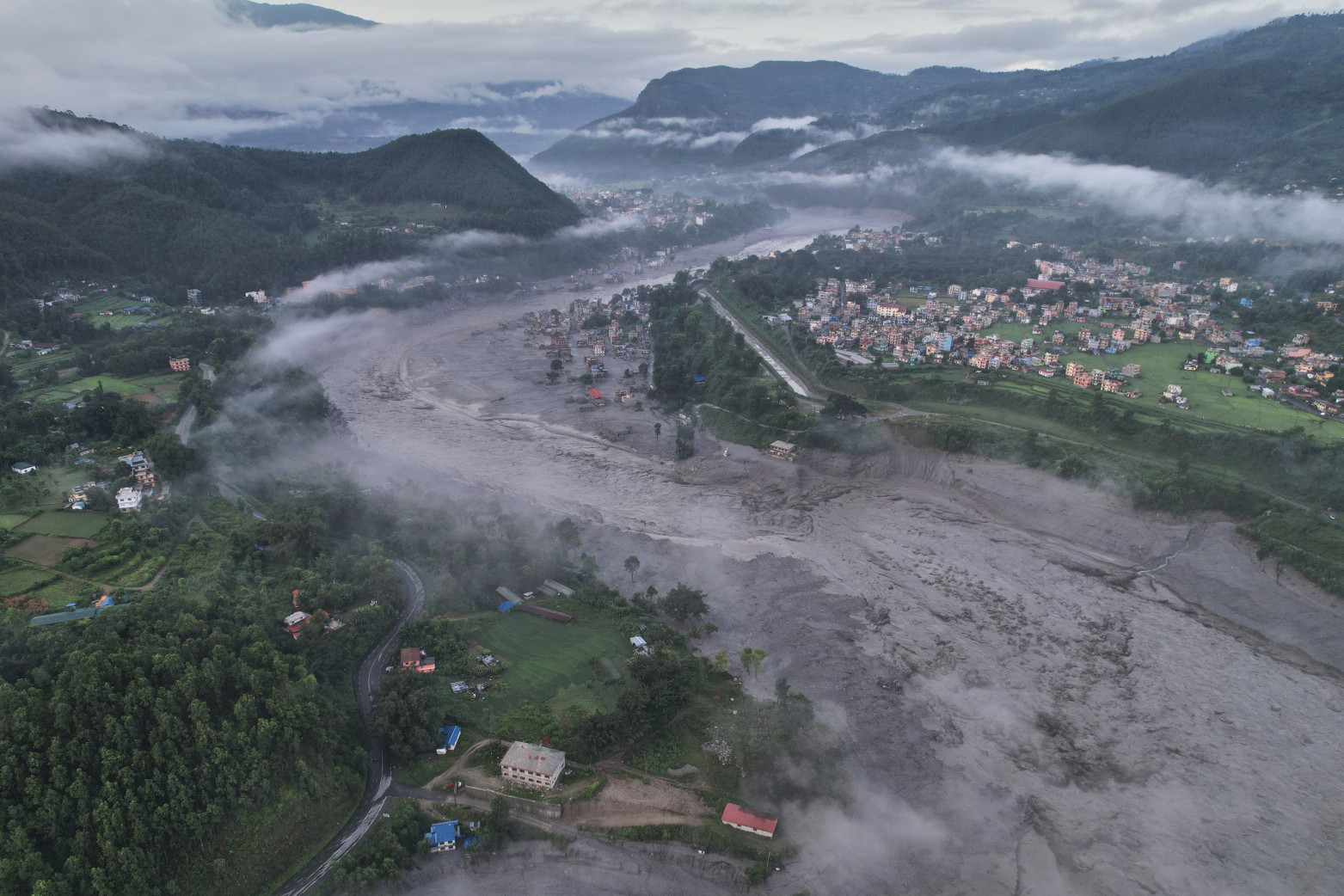
Nepal Schoolchildren Sacrifice Pocket Money for Flood Victims

Bhotekoshi Flood Halts Nepal’s Bangladesh Power Exports, Cuts India Supply

Magnitude 5.0 Earthquake Strikes Tibet After Nepal Flash Floods
Nepal's Climate Grievance Is Valid, But India's Liability Isn't