

3 days ago
Clock-Based Eating May Matter More Than Fasting Duration
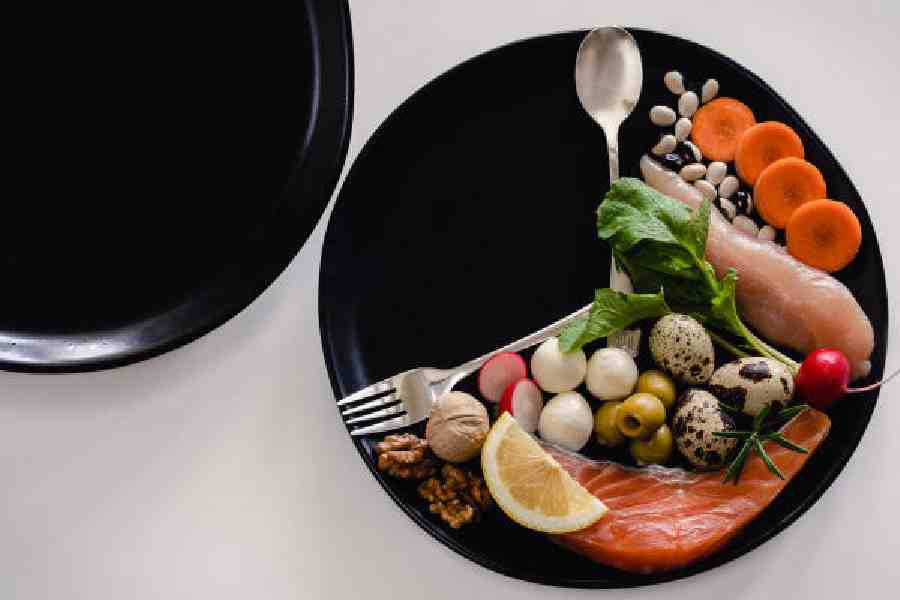
Intermittent fasting means eating during certain hours and avoiding food during the rest.
The article says the time of day may matter as much as the number of fasting hours.
Eating most food late at night may be harder for the body to handle.
A better routine may be to eat more while the sun is up and less close to bedtime.
Lunch can be a bigger meal so you do not become extremely hungry at night.
The article also suggests stopping food two to three hours before sleep.
Coffee may technically fit a fasting plan, but late caffeine can harm sleep.
Fasting should not be done alone by people with certain health conditions, and feeling dizzy or overly focused on food is a warning to stop and seek help.

Intermittent fasting may be less effective when its eating window is concentrated late in the day.
The article argues that the body handles food more efficiently during daylight than near bedtime.
A 2026 review of 41 clinical trials involving more than 2,000 participants reportedly found earlier eating windows performed better on body weight and fasting insulin.
The nutritionist recommends eating more during the day, making lunch the main meal, and keeping dinner smaller and earlier.
Pregnant or breastfeeding people, young people, those with eating-disorder histories, and people taking blood-sugar-lowering medication should seek professional guidance before fasting.
- Who
- Clinical nutritionist Priyanka Shah discusses intermittent fasting and circadian eating.
- What
- The article recommends focusing on earlier meal timing rather than simply extending the fasting period.
- Where
- The article refers to clients and people in Calcutta, while discussing findings from clinical trials.
- When
- The guidance concerns daily eating patterns, especially evening meals and food consumed two to three hours before sleep.
- Why
- Earlier eating may better match the body’s internal clocks and may support body weight, fasting insulin, digestion, and sleep.
Key facts
- Main argument
- When you eat may matter as much as how long you fast.
- Common eating window
- Many people following 16:8 reportedly eat between noon and 8 p.m., or later.
- Research cited
- A 2026 review pooled 41 clinical trials and more than 2,000 participants.
- Reported finding
- Earlier time-restricted-eating windows consistently outperformed later windows on several measures, including body weight and fasting insulin.
- Dinner guidance
- The article recommends making dinner smaller and finishing the last bite two to three hours before sleep.
- Coffee caution
- Black coffee may fit a fasting window by calorie count, but late caffeine can interfere with sleep.
- People needing advice
- People who are pregnant, breastfeeding, still growing, have a history of disordered eating, or take blood-sugar-lowering medication should seek professional guidance.
Sources
Related news

Doctor Explains Health Risks of Eating Dinner After 9 PM

Intermittent Fasting May Slow Hair Growth in Women
Weekend Habits May Disrupt Blood Sugar Into Week

Intentional Eating Trend Helps People Reconnect With Food and Bodies

Dr Manthena Urges Natural Living, Yoga and Disciplined Eating

Doctor Explains Whether Morning or Evening Workouts Suit You

India's 7.8% GDP Growth Sparks Questions Over Economic Reality
Kolkata Civic Team Seizes 500 Kg Fish, Meat Stock

West Bengal Plans Mega Durga Puja Show at Eden Gardens

Science Quiz Covers Vehicle Communication, Space, Medicine, Missiles and Time

Bengal Warns Vacant-Plot Owners Amid Rising Dengue Concerns
