1 week ago
Vellore Farmers Get Subsidy Support for Dragon Fruit Cultivation
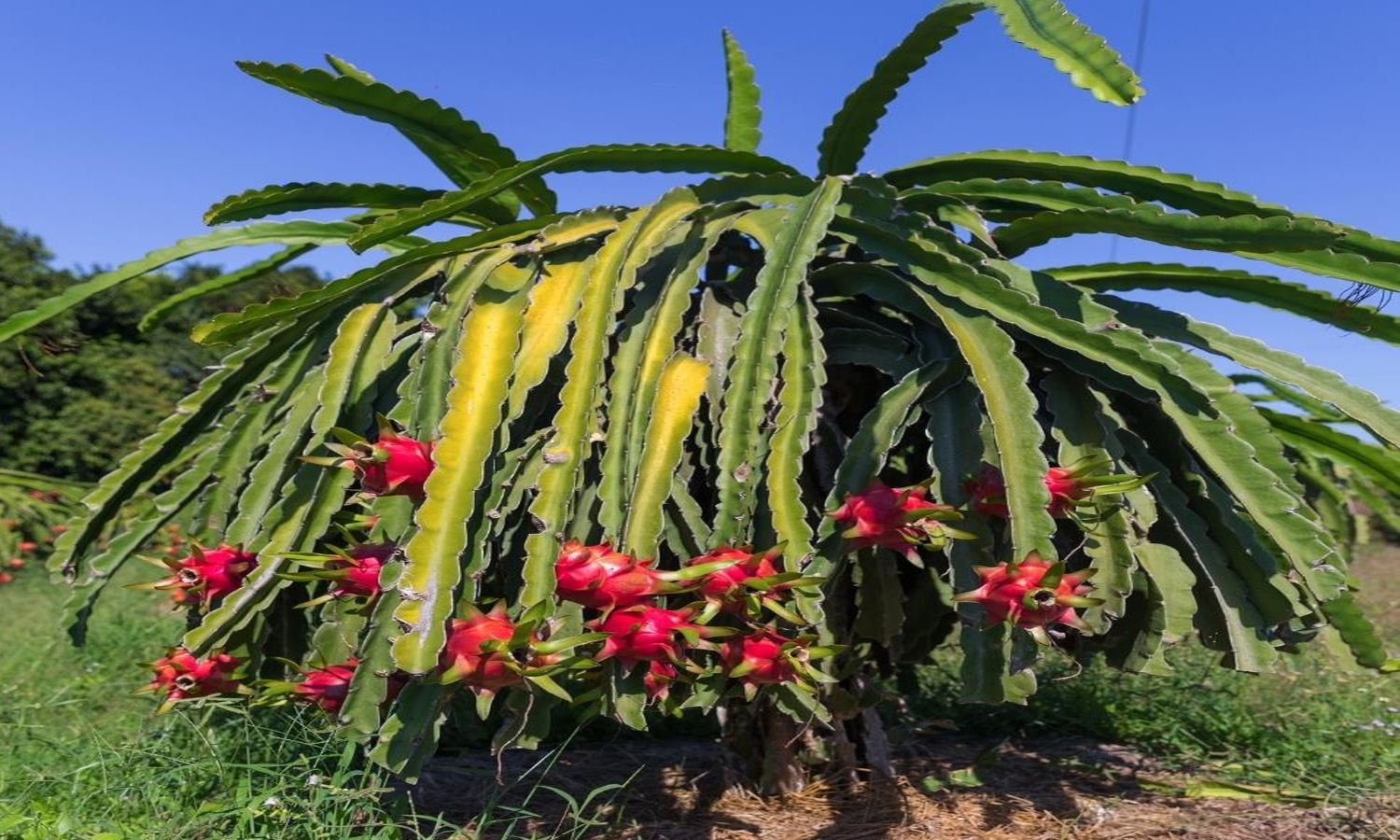
The Vellore Horticulture Department is helping farmers grow dragon fruit.
Farmers can receive a 50% subsidy worth Rs.
1.62 lakh per hectare.
The support includes plants and structures to hold the plants.
About 6.5 hectares of dragon fruit are already being grown in two Vellore blocks.
Dragon fruit needs well-drained soil and regular drip watering.
Farmers also need to prune, fertilise and protect the plants from summer heat.
The plants usually begin producing fruit commercially in their second year.
The fruit is sold in local markets, Koyambedu and Bengaluru, where demand is increasing.

Vellore’s Horticulture Department is offering a 50% subsidy of Rs. 1.62 lakh per hectare for dragon fruit cultivation.
The assistance includes planting material and support systems under the National Horticulture Mission.
Dragon fruit is currently cultivated across about 6.5 hectares in Gudiyatham and Pernambut blocks.
The crop begins commercial production generally from its second year and can yield 25–35 kg per support pole under good management.
Farmers currently send the fruit to local markets, Koyambedu and Bengaluru markets.
- Who
- The Vellore district Department of Horticulture and plantation crops and farmers growing dragon fruit.
- What
- A 50% subsidy of Rs. 1.62 lakh per hectare is being provided for dragon fruit cultivation, including planting material and support systems.
- Where
- Gudiyatham and Pernambut blocks in Vellore district, with produce sent to local, Koyambedu and Bengaluru markets.
- When
- The report does not specify a date; it describes the assistance and current cultivation conditions.
- Why
- To support horticultural diversification as dragon fruit gains demand in urban markets and is considered a high-value crop.
Key facts
- Subsidy
- Rs. 1.62 lakh per hectare, representing 50% assistance.
- Government programme
- National Horticulture Mission.
- Current cultivation
- About 6.5 hectares in Gudiyatham and Pernambut blocks.
- Plant density
- About 4,444 plants per hectare.
- Commercial bearing
- Generally begins from the second year.
- Potential yield
- Approximately 25–35 kg per support pole under good management.
- Current markets
- Local markets, Koyambedu and Bengaluru markets.
Sources
Related news

Dragon Fruit Cultivation Raises Incomes for Farmers in Jangaon

District Collector Rahul Sharma urges farmers to grow vetiver

Don't plant paddy in haste, Wanaparthy DC warns farmers
Farmer swaps pomegranates for drumsticks, earns ₹80 lakh yearly