1 week ago
Lavender Highlights How Indian Gardens Can Support Wildlife
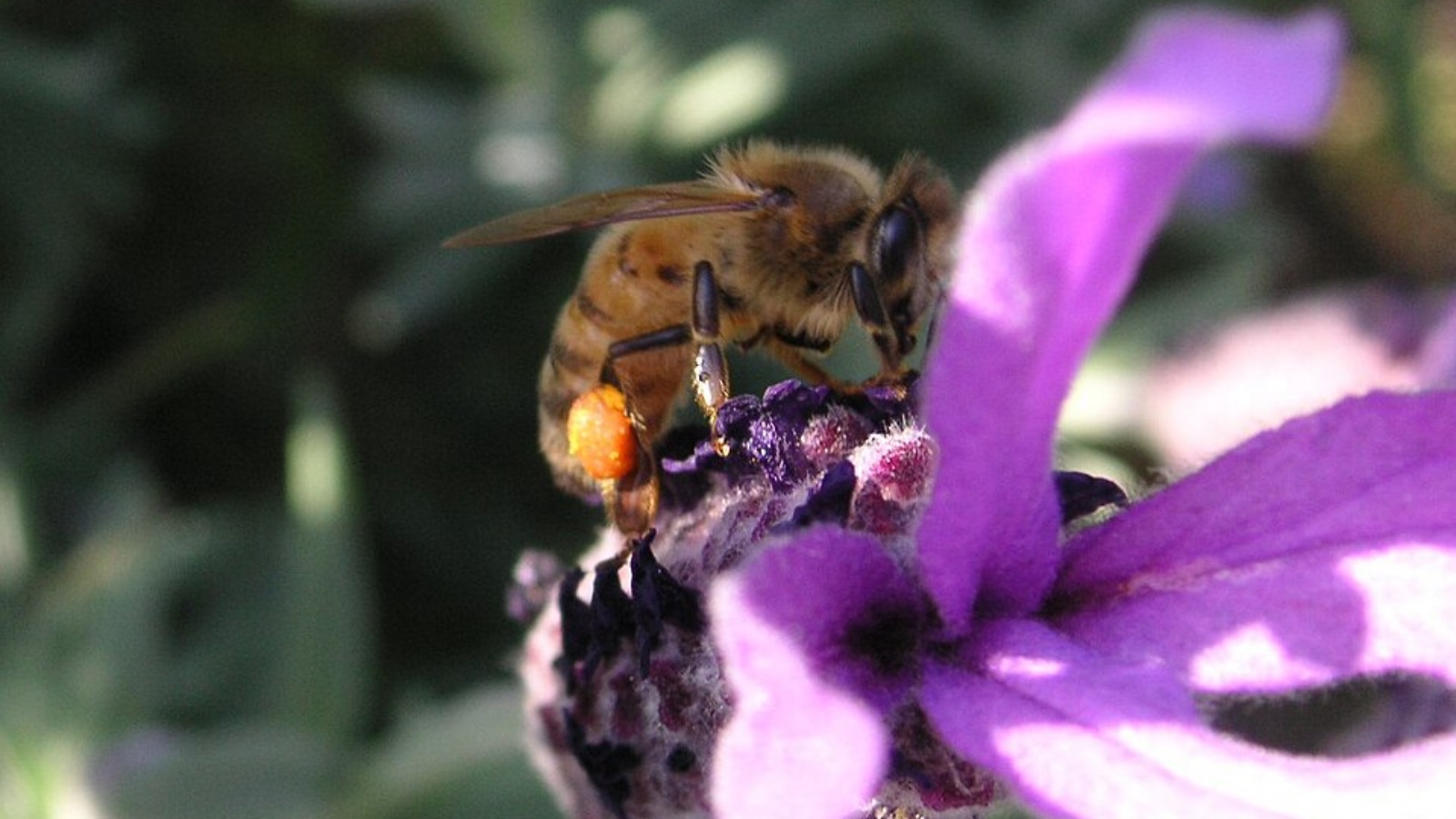
A garden can help animals find food and shelter.
This is useful because cities are reducing natural habitats.
Even a small balcony or backyard can support wildlife.
Lavender is one plant that can help.
Its purple flowers have lots of nectar.
Bees and butterflies can feed on them.
Hoverflies are attracted to lavender too.
Lavender grows well in sunny places with soil that drains water easily.

The article presents gardens as potential refuges for birds, butterflies, bees and other beneficial creatures.
Urbanisation is described as reducing natural habitats for wildlife.
Even small balconies or backyards can provide food, shelter and nesting spaces.
Lavender has fragrant purple flowers that are rich in nectar.
Lavender attracts bees, butterflies and hoverflies and grows best in sunny, well-drained locations.
- Who
- Birds, butterflies, bees, hoverflies and other beneficial creatures are identified as garden visitors.
- What
- The article describes how plants, particularly lavender, can help attract wildlife to Indian gardens.
- Where
- Indian gardens, including balconies and backyards.
- When
- Not specified in the article.
- Why
- To provide wildlife with food, shelter and nesting spaces as natural habitats decline because of urbanisation.
Key facts
- Featured plant
- Lavender
- Flower colour
- Purple
- Wildlife attracted
- Bees, butterflies and hoverflies
- Main resource
- Nectar
- Growing conditions
- Sunny, well-drained spots
- Potential garden settings
- Balconies and backyards
Sources
Related news

Indigenous flowering plants star at Amrit Udyan Summer Annuals opening
IWSA Opens Learning Garden Museum To Promote Urban Biodiversity

Delhi Man's Terrace Forest Draws Los Angeles Documentary Invite
Why Butterflies Visit Cow Dung: The Science of Puddling

Peepal Baba Recommends 5 Easy Plants for Your Balcony Garden

Ludhiana Gardener's Simple Bulb Habit Keeps Rain Lilies Blooming Yearly

Swara Bhasker’s Jauhar Remarks Revive Padmaavat’s Historical Debate

Young Government Bank Officer Reveals Salary, Benefits After 2.5 Years

India’s Dementia Crisis May Affect 16.9 Million Seniors by 2036

Five Student-Friendly Laptops Covering Every College Budget and Workload

Putin Faces Western Isolation While Russia Builds Non-Western Ties