

1 month ago
Red Sea, Hormuz disruptions threaten India's rice exports
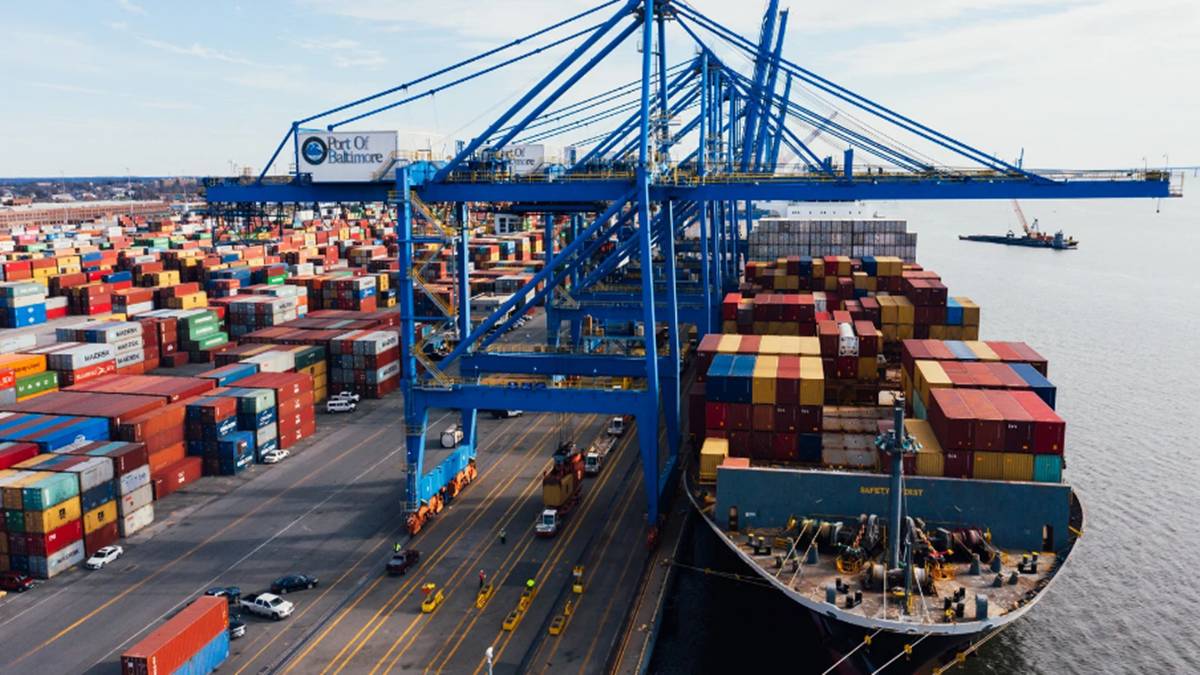
India is a big exporter of rice, especially basmati rice, to countries like Saudi Arabia, Iran, and the European Union.
Recently, there have been problems in the Red Sea and the Strait of Hormuz, which are important routes for shipping.
This has made it harder and more expensive to send rice to other countries.
Some rice is stuck at ports in India because of these issues.
Even though there are problems, India's rice exports have been growing, and it remains the largest rice exporter in the world.
However, the high costs and delays might make Indian rice more expensive for buyers in the Middle East and Europe.

Disruptions in the Red Sea and Strait of Hormuz are impacting India's rice exports.
Around 0.5 million tonne of rice cargo is stranded at Kandla and Mundra ports.
Saudi Arabia and Iran are major destinations for India's basmati rice exports.
Rising freight costs and longer routes are making Indian rice more expensive for buyers.
India's rice exports rose 4% year-on-year to $3.03 billion during April-June of FY27.
- Who
- Indian rice exporters, including Basmati Rice Millers and Exporters Association, Punjab, and Rice Villa, Kolkata
- What
- Disruptions in the Red Sea and Strait of Hormuz are impacting India's rice exports
- Where
- Red Sea, Strait of Hormuz, Kandla and Mundra ports, Gujarat
- When
- Ongoing disruptions with recent escalations
- Why
- Security threats and conflicts in the Middle East are causing shipping delays, increased costs, and stranded cargo
Exporters' Concerns
Export Resilience
Impact on Shipping and Costs
Exporters' Concerns
Exporters face surging sea freight, rising insurance costs, and delayed shipments due to disruptions in the Red Sea and Strait of Hormuz.
Export Resilience
India's rice exports rose 4% year-on-year to $3.03 billion during April-June of FY27, showing resilience despite supply disruptions.
Stranded Cargo
Exporters' Concerns
Around 0.5 million tonne of rice export cargo, including basmati rice, remains stranded at Kandla and Mundra ports due to uncertainty in the Strait of Hormuz.
Export Resilience
In June, India shipped rice worth over $1 billion, up 16% from a year earlier, as tensions eased in the Middle East.
Market Impact
Exporters' Concerns
Rising freight costs and longer routes make Indian rice more expensive for buyers in the Middle East and Europe.
Export Resilience
India remains the world's largest rice exporter, accounting for around 45% of global rice trade, with exports to over 140 countries.
Key facts
- Key Routes Affected
- Bab al-Mandab Strait, Strait of Hormuz
- Major Destinations
- Saudi Arabia, Iran, European Union
- Stranded Cargo
- 0.5 million tonne
- Annual Rice Exports to Saudi Arabia
- 1.2 million tonne
- Annual Rice Exports to Iran
- 0.8 million tonne
- Global Rice Trade Share
- 45%
- FY26 Rice Export Value
- $11.53 billion
- FY27 Q1 Rice Export Value
- $3.03 billion
Quotes
Ranjit Singh Jossan
Vice president of Basmati Rice Millers and Exporters Association
“"Unless normal shipping routes are restored soon, the disruption could severely impact India’s basmati rice exports, global supply chains, and overall trade especially in the Middle east."”
 financialexpress.com
Sources
Related news

Four KIIT Students Win Medals for India at Glasgow Games

Gujarat launches DNA-based sports talent hunt for 2030 Commonwealth Games

Omaha Police Stop Electric-Shock Gloves In Public Schools

GOC inaugurates new sports courts at Jammu Sainik School
Australian Police Charge Two Men in Open-Source Hacking Case

Jharkhand Job Protest Clashes Prompt FIRs Against Hundreds
Mundra Port disruption deepens supply-chain strain amid West Asia crisis

Adani Says Big Ports, Green Projects Reshape India’s Economics

Adani Urges Wider Infrastructure Rating Lenses for India’s Ambitions

Adani Urges Wider Infrastructure Ratings Lens for India’s Future

Vadodara-Mundra Air Taxi Launches Faster Connectivity Between Industrial Hubs