1 hr ago
How Yemen’s Houthis Became a Powerful Regional Wildcard
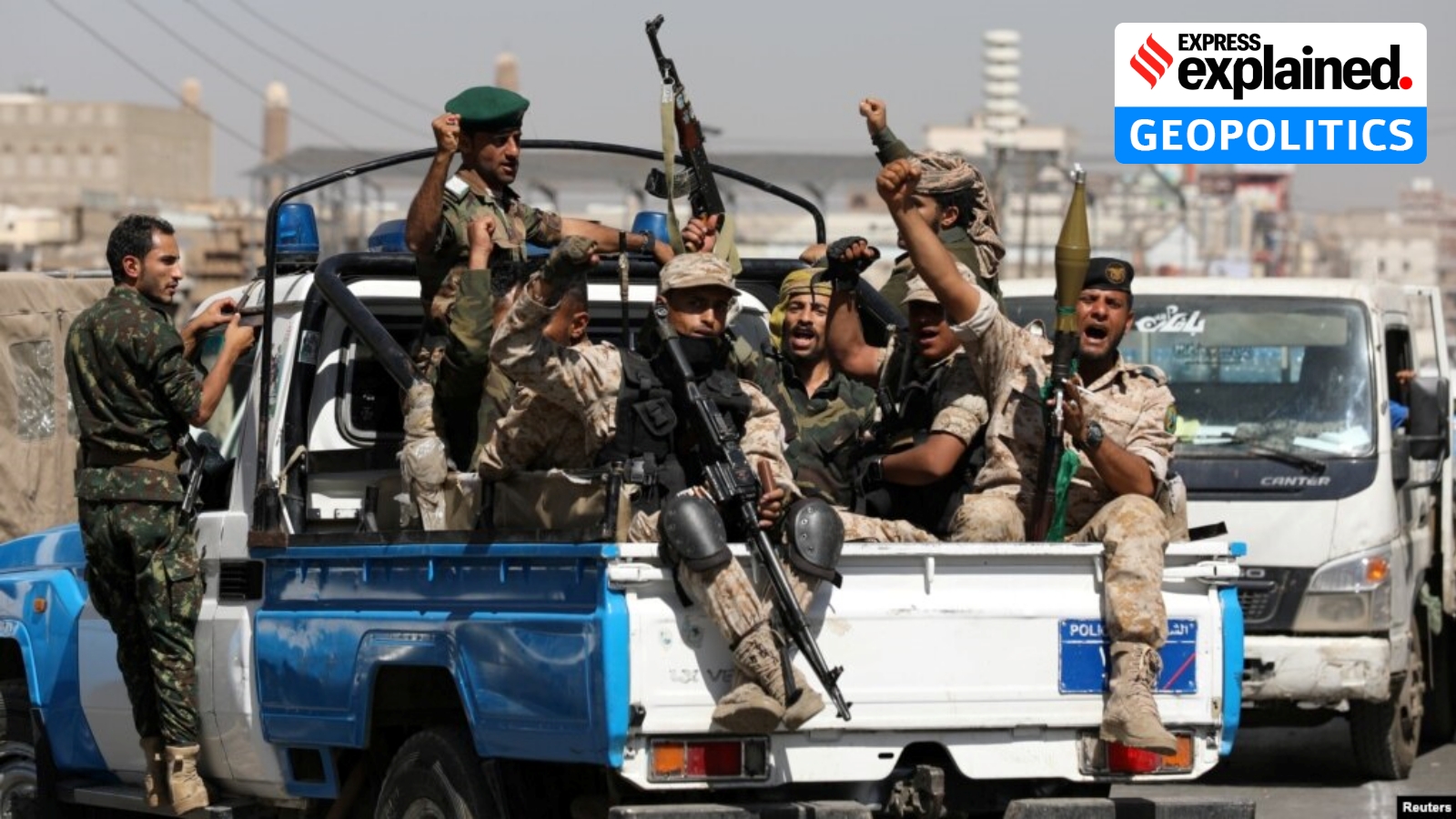
The Houthis are an armed movement from Yemen.
They began as a group defending the religious and cultural identity of Zaidi Shia communities.
Fighting with Yemen’s government turned them into a powerful militia.
Over time, they took control of territory and built their own systems for collecting money and providing services.
Iran helps them with technology, training and planning.
However, the article says the Houthis also make many decisions for themselves.
Their control near the Red Sea lets them threaten important ships and trade routes.
They are fighting with Saudi Arabia and are also involved in wider regional conflicts.
This makes peace efforts involving Yemen, Saudi Arabia, Iran and the United States more difficult.

Ansar Allah began in the 1990s as a Zaidi Shia religious and cultural revivalist movement in Yemen.
The movement became an armed insurgency after Hussein al-Houthi was killed in 2004, leading to six wars with Yemen’s government through 2010.
The Houthis now operate a parallel economy that assessments estimate generates roughly $2.5 billion annually.
Iran provides weapons-related technology, training and operational support, while Houthi leaders retain substantial autonomy in domestic decision-making.
Control of territory near the Bab al-Mandeb and Red Sea gives the Houthis influence over regional security and global shipping routes.
- Who
- Ansar Allah, commonly called the Houthis; Yemen’s internationally recognised government; Saudi Arabia; Iran; and other regional and international actors.
- What
- A Yemeni movement has evolved from a local religious revivalist group into a governing authority, armed force and regional actor capable of affecting Red Sea security.
- Where
- Yemen, especially Houthi-controlled areas, the western coastline, the Bab al-Mandeb Strait and the Red Sea; Saudi Arabia has also been targeted.
- When
- The movement began in the 1990s, became an armed insurgency in 2004, fought six wars through 2010, and later expanded its territorial and regional role.
- Why
- The Houthis seek political survival, territorial and financial leverage, and opposition to Western influence and regional monarchies, while Iran uses the relationship to gain strategic leverage.
Houthi and Iranian Perspectives
Saudi, Yemeni and U.S. Concerns
Iranian relationship
Houthi and Iranian Perspectives
The Houthis are strategically aligned with Iran and receive important technological, training and operational support, but their leaders make decisions based on domestic needs and political survival.
Saudi, Yemeni and U.S. Concerns
The United States and regional opponents view Iranian support as enabling Houthi weapons capabilities and attacks, while the Houthis’ operational independence means Iranian promises may not guarantee restraint.
Economic and political demands
Houthi and Iranian Perspectives
The Houthis have demanded that Yemeni oil and gas revenues help pay public-sector salaries in areas they control and have used military pressure to seek financial concessions.
Saudi, Yemeni and U.S. Concerns
Saudi Arabia has resisted funding those costs without security conditions, including a demilitarised border zone; Yemen’s internationally recognised government sees Houthi territorial and economic control as a direct challenge.
Regional security
Houthi and Iranian Perspectives
The Houthis frame attacks and military expansion as anti-imperialist resistance and solidarity with Palestine, which can strengthen recruitment and political support.
Saudi, Yemeni and U.S. Concerns
Saudi Arabia, the United States and other actors see attacks near the Red Sea and Bab al-Mandeb as threats to shipping, regional stability and diplomatic efforts involving Iran.
Key facts
- Original name
- Ansar Allah
- Religious background
- Zaidi Shia revivalist movement
- Founder associated with the movement
- Hussein Badreddin al-Houthi
- Wars with Yemen’s government
- Six successive wars between 2004 and 2010
- Estimated parallel-economy revenue
- Roughly $2.5 billion annually
- Strategic waterway
- The Bab al-Mandeb Strait
- Iranian support
- Technology, training, media strategy and operational planning
Quotes
Prasanta Kumar Pradhan
Research fellow and coordinator at the West Asia Centre, MP-IDSA, New Delhi
“Much as Iran has demonstrated that it holds effective power over the Strait of Hormuz and the capacity to disrupt maritime security in its vicinity, the Houthis are now projecting themselves as the dominant force in the Bab el-Mandeb and the Red Sea.”
 indianexpress.com
“The Houthis are a strategic leverage for Iran vis-à-vis Saudi Arabia. While Iran would like the Houthis to increase pressure on Riyadh, it would not want a full-scale, uncontrollable war with the Kingdom.”
indianexpress.com
Sources
Related news

Who Are the Houthis, Iran’s Allies in Yemen?

Houthis' Rise From Mountain Militia to Regional Threat

How Yemen’s Houthis Became a Threat to Saudi Arabia
Houthi Red Sea Offensive Elevates Abdul Malik al-Houthi’s Standing
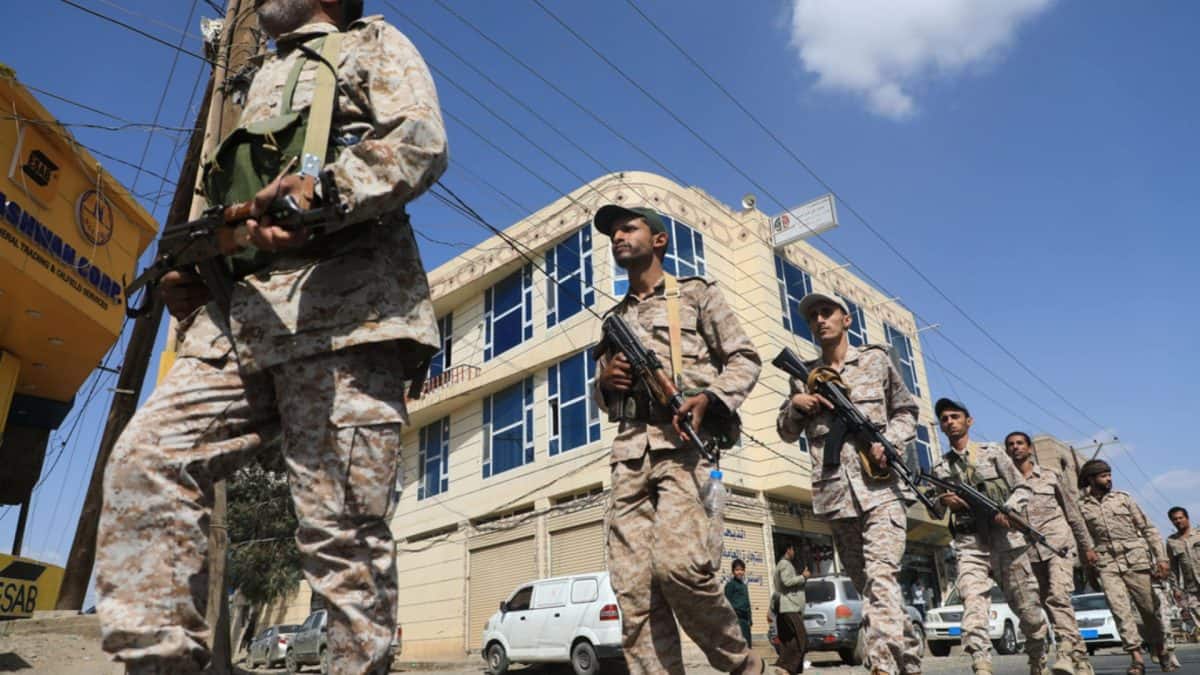
Houthi Advance Threatens Bab al-Mandab and Global Shipping

Why Years of War Have Made Yemen’s Houthis Stronger

Trump Says US-Iran War May Be Nearing End