

2 hrs ago
Houthis' Rise From Mountain Militia to Regional Threat
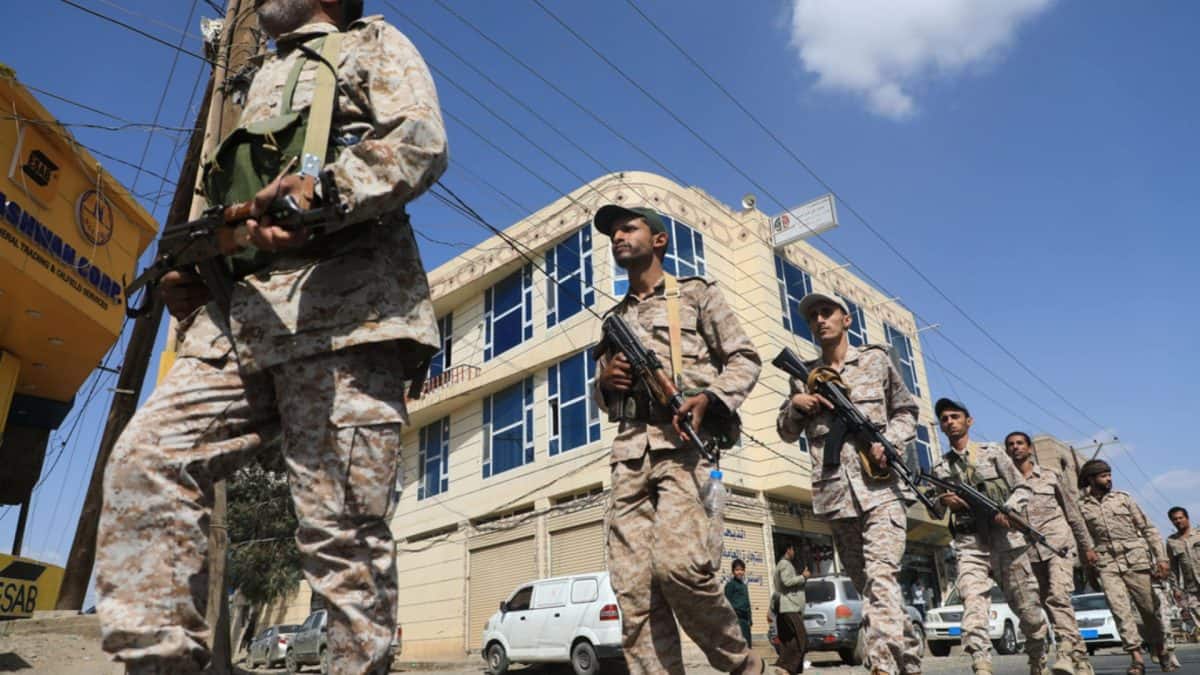
The Houthis are a powerful armed group from Yemen.
They began as a religious revival movement in the late 1990s.
In 2014, they captured Yemen's capital, Sanaa.
Saudi Arabia then intervened to support Yemen's government, causing years of war.
A ceasefire in 2022 later broke down.
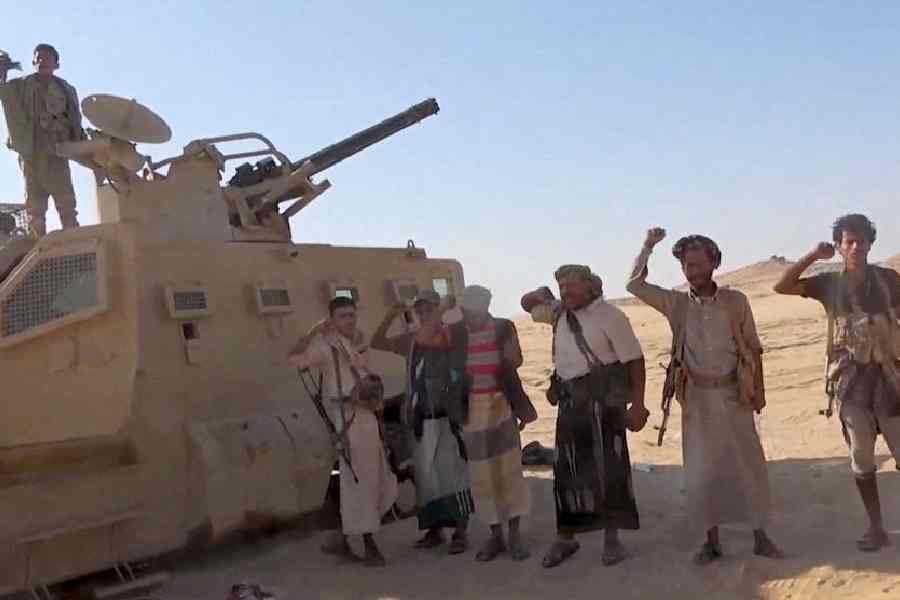
The Houthis recently captured parts of Yemen's Red Sea coast, including Mocha.
This puts them near the Bab el-Mandeb Strait, where many ships travel.
Their missiles and drones can reach places far from Yemen.
Reports say Iranian help and training strengthened them, although Iran denies illegally supplying weapons.

The Houthis began as a Zaydi Shi'ite revival movement in northern Yemen in the late 1990s and fought six wars against the government.
They seized Sanaa in 2014, prompting a Saudi-led intervention and years of civil war followed by a 2022 ceasefire.
After the ceasefire collapsed, the Houthis advanced through southern Tihama, capturing Mocha and the Red Sea coastline and islands near Bab el-Mandeb.
Their missiles and drones have targeted Israel, Red Sea shipping, and Saudi cities, infrastructure, and energy facilities.
UN experts say the Houthis combine domestic weapons production with smuggled components and Iranian technical assistance, while Iran denies violating the arms embargo.
- Who
- The Houthi movement, Yemen's government-aligned forces, Saudi Arabia, Iran, Hezbollah, and international shipping interests are involved.
- What
- The Houthis have expanded their territory and military capabilities, gaining control of Yemen's southern Red Sea coast near the Bab el-Mandeb Strait.
- Where
- The conflict is centered in Yemen, including Sanaa, the Tihama coast, Mocha, Marib, Jawf, Taiz, Dhale, and areas near Bab el-Mandeb.
- When
- The movement emerged in the late 1990s, seized Sanaa in 2014, observed a ceasefire in 2022, and resumed fighting in recent weeks.
- Why
- The Houthis expanded as Yemen's central government weakened and have sought military and political influence; they also said attacks on Israel and Red Sea shipping were carried out in solidarity with Palestinians.
UN assessments and analysts
Iran's official position
Iranian military assistance
UN assessments and analysts
UN experts, Iranian sources, and Yemen analysts say Iran supplied weapons, experts, or technical assistance, while Hezbollah also provided training and operatives.
Iran's official position
Iran officially denies arming the Houthis in violation of the United Nations arms embargo.
Houthi weapons capabilities
UN assessments and analysts
The International Institute for Strategic Studies said the Houthis have improved domestic arms production but remain dependent on Iran for key technologies and advanced capabilities.
Iran's official position
Iran's denial disputes the allegation of illegal arms support, leaving the extent of Tehran's direct role contested.
Key facts
- Movement origins
- The Houthis began in the late 1990s as a Zaydi Shi'ite Muslim revival movement in northern Yemen.
- Capital captured
- The group seized Sanaa in 2014 and ousted Yemen's government.
- Recent advance
- The Houthis captured the port city of Mocha, followed by the southern Tihama coastline and islands.
- Strategic waterway
- The Bab el-Mandeb Strait is about 12 miles, or 19 kilometers, wide.
- Estimated fighters
- A 2025 UN experts' assessment estimated that the Houthis had 350,000 fighters, partly through recruiting people under 18.
- Weapons range
- Houthi ballistic missiles have reached Israel, more than 1,000 miles, or 1,800 kilometers, away.
- Weapons supply
- UN experts reported arms smuggling, domestic production, and technical assistance, while Iran denied arming the Houthis in violation of the UN arms embargo.
Sources
Related news

Who Are the Houthis, Iran’s Allies in Yemen?

Why Years of War Have Made Yemen’s Houthis Stronger
Houthi Red Sea Offensive Elevates Abdul Malik al-Houthi’s Standing
Houthi Advance Threatens Bab al-Mandab and Global Shipping

Houthi Advances Raise Stakes Around Yemen’s Red Sea Coast

Houthis Seize Mocha, Tightening Grip on Bab el-Mandeb

Trump Says US-Iran War May Be Nearing End
Netanyahu Vows Continued Action After Israel Targets Hezbollah Strongholds
