2 hrs ago
Why Years of War Have Made Yemen’s Houthis Stronger

The Houthis are an armed group that controls large parts of Yemen.
Saudi Arabia began fighting them in 2015 after they captured Yemen’s capital and other areas.
Many countries have used airstrikes against the Houthis, but the group has continued to fight.
The Houthis hide weapons and fighters in Yemen’s large, mountainous terrain.
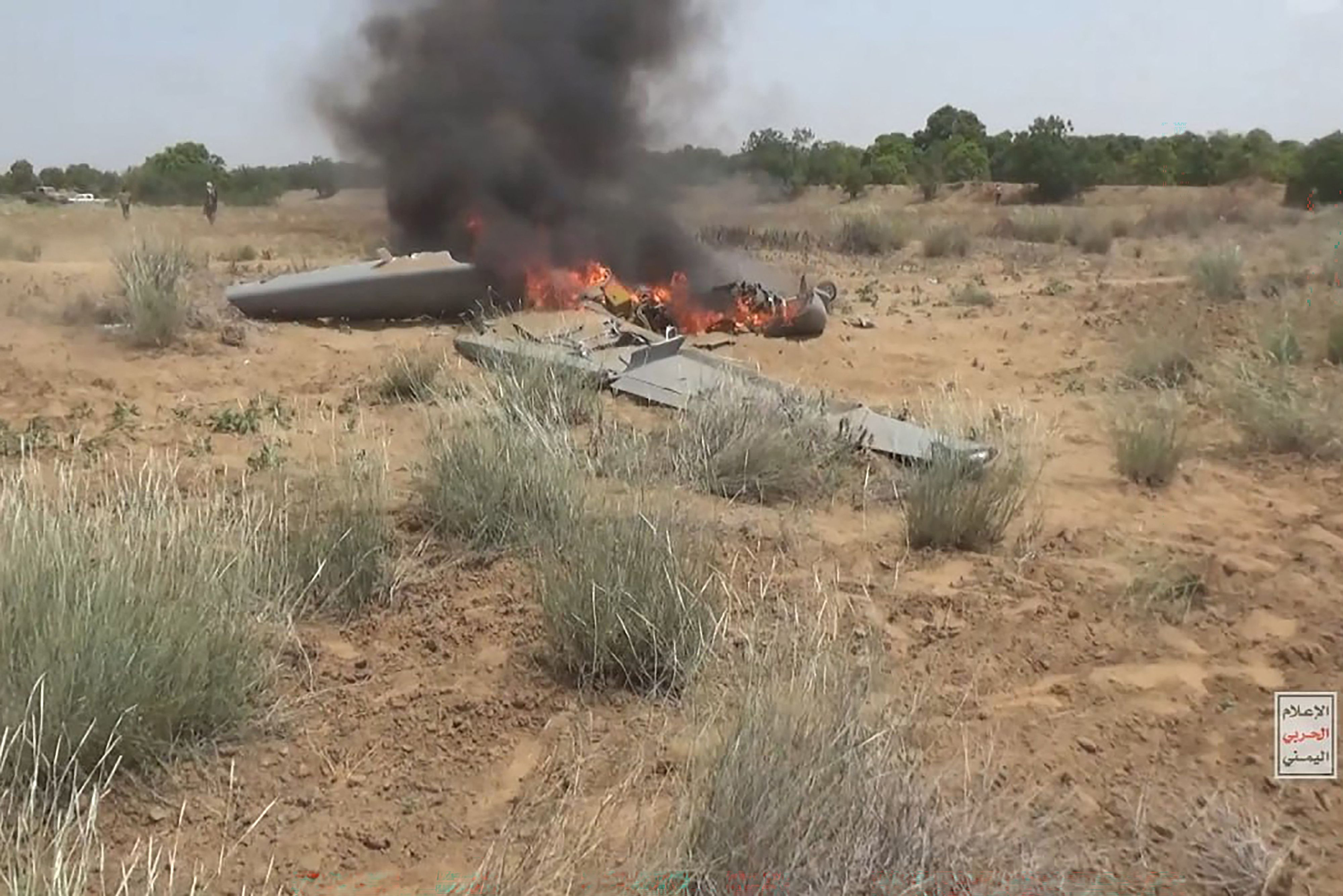
They also use missiles and drones to attack ships, oil facilities and other targets.
Iran is accused of helping them, although Iran denies supplying weapons.
The countries fighting the Houthis have not worked together well, and Yemen’s opposing forces are divided.
Airstrikes can damage targets but usually cannot take and hold territory.
Sending ground troops could cause a long and costly war, so the Houthis remain difficult to defeat.

The Houthis have expanded from about 30,000 fighters in 2015 to as many as 350,000 in 2024, according to a U.N. experts’ report.
Their missiles, drones and anti-ship weapons can threaten Gulf states, Israel, oil infrastructure and Red Sea shipping.
Saudi, U.S., British and Israeli airstrikes have inflicted costs but failed to defeat the Houthis or dislodge them from key territory.
The Houthis benefit from Iranian expertise and weapons components, while their opponents remain divided, weak and poorly coordinated.
A lasting defeat would likely require ground forces, but Saudi Arabia and the United States appear reluctant to begin another major campaign.
- Who
- The Houthi movement, Saudi Arabia, the United States, the United Kingdom, Israel, Iran and divided Yemeni anti-Houthi forces.
- What
- The Houthis have grown stronger during years of warfare and are advancing toward the Bab el-Mandeb while threatening regional oil infrastructure and Red Sea shipping.
- Where
- Yemen, the Red Sea, the Bab el-Mandeb strait, Saudi Arabia and nearby Gulf waters.
- When
- Saudi Arabia intervened in 2015; a ceasefire took effect in 2022; Houthi Red Sea attacks began after the Gaza war began in 2023; U.S. and British strikes began in January 2024, with further attacks and advances described in 2025.
- Why
- The Houthis benefit from mountainous territory, Iranian-linked expertise and weapons, domestic weapons production, ideological commitment, and the weakness and division of their opponents.
Houthi and Iranian-linked position
Saudi and Western assessment
Reason for the conflict
Houthi and Iranian-linked position
The Houthis said their Red Sea attacks were intended to blockade Israel after the outbreak of the Gaza war.
Saudi and Western assessment
Saudi Arabia and its partners view the Houthis as an Iranian-backed threat to regional security, oil infrastructure and international shipping.
Source of Houthi strength
Houthi and Iranian-linked position
The Houthis have built their own military capacity and draw on ideological commitment and local support for their campaign.
Saudi and Western assessment
U.N. experts and analysts attribute part of the group’s growth to Iranian weapons, components, training and expertise, while Iran denies arming the Houthis.
How to end the conflict
Houthi and Iranian-linked position
The Houthis demand that Saudi Arabia lift its blockade and have shown little willingness to make concessions.
Saudi and Western assessment
Saudi Arabia and the United States appear reluctant to launch a ground campaign because it could involve prolonged fighting and heavy casualties; airstrikes alone have not produced a lasting defeat.
Key facts
- Estimated Houthi fighters
- Up to 350,000 in 2024, compared with about 30,000 in 2015.
- Saudi intervention
- Saudi Arabia began its war against the Houthis in early 2015.
- Ceasefire
- The main battle lines moved little before a ceasefire in 2022.
- Red Sea attacks
- The Houthis began attacking Red Sea shipping in 2023, saying they were imposing a blockade on Israel.
- U.S. air campaign
- A U.S. military official said about 2,000 munitions were dropped on more than 1,000 targets in an intensified campaign in 2025.
- U.S. strike costs
- The article says U.S. munitions cost more than $750 million, while seven MQ-9 Reaper drones destroyed by the Houthis cost more than $30 million each.
- Main obstacle to defeat
- Anti-Houthi forces are divided, and defeating the movement would likely require ground troops.
Quotes
Michael Knights
Research head at Horizon Engage and an analyst who has written extensively about the Houthis.
“They’ve been developed by the Iranians in a fast-track way. Things that took the Lebanese Hezbollah 20 years to develop, the Houthis have developed in five.”
 deccanchronicle.com
“Half of the story is Iranian support, and this is extremely important ... but there’s another half of the story, which is the weakness of their adversaries.”
deccanchronicle.com
Sources
Related news

Who Are the Houthis, Iran’s Allies in Yemen?

Houthis Seize Mocha, Tightening Grip on Bab el-Mandeb
Saudi Arabia Vows Firm Response After Houthi Attacks

Houthis Claim Saudi Strikes Amid Yemen Conflict Escalation

Houthi Capture of Mokha Raises Pressure on Saudi Arabia

McLaren Plans First SUV With $675 Million UK Investment

Harry Brook Credits Kevin Pietersen After Record-Equalling Southampton T20I Hundred

Samson, Sooryavanshi Show Contrasting Starts After Six T20Is

India-UK Car Import Quota Sees Slow Initial Uptake