3 weeks ago
Why artisanal cold cuts taste meatier than frozen varieties
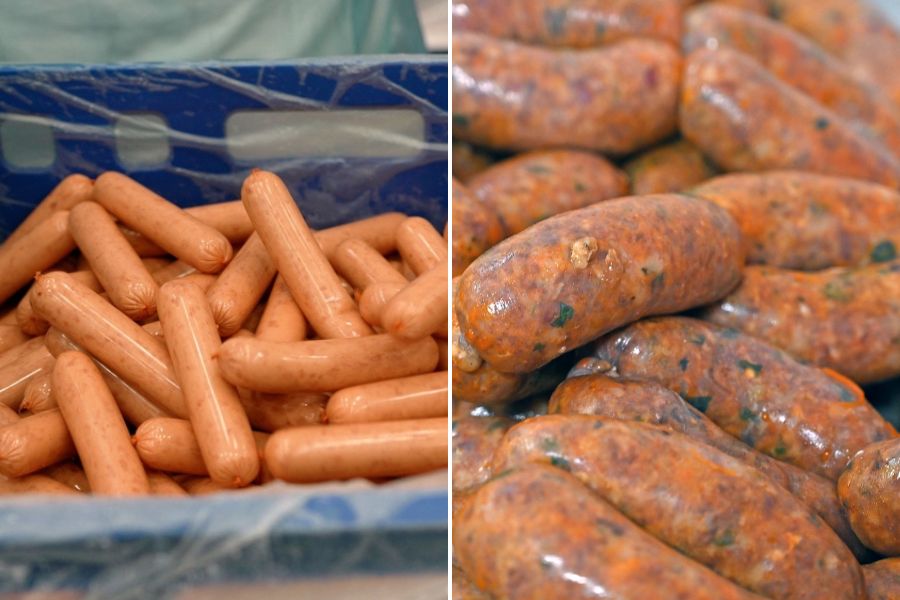
Sausages, ham and salami are meaty foods that people eat in sandwiches and breakfast platters.
Some are made fresh by small shops, while others are made in big factories and sold frozen in supermarkets.
In Kolkata, India, food experts compared the two kinds to explain why they taste so different.
Fresh, artisanal sausages contain a lot of real meat and no extra fillers, so they taste meatier.
Factory-made sausages often mix in soy and other ingredients and grind the meat into a smooth paste, which makes them feel bouncy and chewy.
Fresh sausages contain no preservatives, so they spoil quickly and last only about a week.
Frozen packets can stay good for months because they are full of preservatives.
Since the pandemic, breakfast restaurants in Kolkata have become popular, and more people are comparing fresh and packaged cold cuts.
Some people prefer the tastier fresh sausages, while others like frozen ones because they are cheap, easy to find and last a long time.

Artisanal sausages and cold cuts are made in small batches with higher meat content, while mass-produced supermarket varieties often use meat trimmings and fillers.
At Kolkata's The Whole Hog Deli, meat content is a minimum of 60 per cent and can reach 85-90 per cent in certain sausages, with no fillers used.
Commercial sausages are ground very finely into a stable emulsion with water, starches, stabilisers, preservatives and flavourings, giving them a bouncy texture, while artisanal versions use a coarser grind.
Artisanal products have a much shorter shelf life, lasting about seven days at The Whole Hog Deli because no preservatives are used, while supermarket varieties can remain usable for several months.
Kolkata's post-Covid cafe culture and the rise of breakfast platters have renewed interest in artisanal cold cuts, giving diners more chances to compare local and packaged products.
Packaged cold cuts offer convenience, consistency, a lower price point and easy availability through quick commerce platforms, unlike locally made artisanal products.
- Who
- Kolkata deli owners and meat connoisseurs, including Sourav Gupta of The Whole Hog Deli, charcutier Prithvish Chakravarti, and Abhijit Bose of the Kolkata Porkaddicts group.
- What
- An explanation of why artisanal sausages, ham and salami taste meatier than frozen, mass-produced cold cuts, citing meat quality, fillers, processing methods, preservatives and shelf life.
- Where
- Kolkata, India, with references to Darjeeling's Glenary's and Keventers and the old Laloos cold-cut shop on Theatre Road.
- When
- No specific date is given; the article contrasts current post-Covid cafe culture with the pre-Covid era when breakfast platters were rare in Kolkata.
- Why
- Because mass-produced varieties use meat trimmings, fillers and preservatives and are ground into fine emulsions for long shelf life, while artisanal products are made in small batches with high meat content and no preservatives.
Artisanal advocates
Packaged convenience supporters
Quality vs convenience
Artisanal advocates
Artisanal sausages and cold cuts taste meatier and fresher because they use high meat content, no fillers and no preservatives.
Packaged convenience supporters
Packaged, frozen cold cuts offer convenience, consistency, a lower price point and easy availability through quick commerce platforms.
Shelf life and freshness trade-off
Artisanal advocates
A short shelf life of about seven days shows a product has no preservatives; a product designed to stay stable on a shelf for months cannot match something made fresh and consumed within days.
Packaged convenience supporters
Long shelf life and freezer stability are practical benefits, letting a packet of cold cuts sit in a freezer for months and remain usable.
Key facts
- Source
- My Kolkata feature interviewing deli owners and meat connoisseurs
- Meat content (The Whole Hog Deli)
- Minimum 60%, reaching 85-90% in certain sausages; no fillers
- Mass-produced fillers
- Soya and other ingredients used to achieve consistent texture and weight
- Processing methods
- Commercial: finely ground, emulsified paste; artisanal: coarser grind, tender and meaty
- Preservatives
- Packaged cold cuts contain high doses; artisanal products use none
- Shelf life
- About 7 days for artisanal vs several months for supermarket varieties
- Location
- Kolkata, India; cold-cut breakfast culture also tied to Darjeeling's Glenary's and Keventers
- Key quote
- Emulsified vs minced - Prithvish Chakravarti on the taste difference
Quotes
Prithvish Chakravarti
Charcutier and cheese connoisseur
“The mass‑produced varieties often use meat trimmings and fillers, with the actual meat content sometimes considerably lower than that of artisanal products. No fillers are used.”
 telegraphindia.com
“These processed sausages would never taste the same.”
telegraphindia.com
Sources
Related news
Vincenzo Capuano Brings World-Champion Neapolitan Pizza to Mumbai
After Bengaluru Meat Raids, Experts Say Spoiled Meat Isn't Cancerous
FSSAI Bans Analogue Paneer Over Health Concerns and Mislabelling

States Restrict Analogue Paneer Over Health And Labeling Concerns
Tamil Food Pop-Up at Mazzo Highlights Kongu Nadu Flavors

Indian Brands Adopt 'Apology Ads' Trend for Marketing