1 week ago
States Restrict Analogue Paneer Over Health And Labeling Concerns

Regular paneer is made mainly from fresh milk.
Analogue paneer looks and works like paneer but uses some non-milk ingredients instead.
These ingredients can include vegetable oils, starches and emulsifiers.
Some states have restricted or banned analogue paneer when it is sold as ordinary paneer.
Officials are concerned about health, nutrition and misleading labels.
People can look at the label and notice unusual taste or texture.
Some people also suggest iodine and other tests, but these cannot prove a product is genuine.
Laboratory testing is more dependable.
Restaurants may charge more because real dairy products cost more.
A paneer dish that costs ₹220, for example, could rise to about ₹260.

Analogue paneer replaces some or all milk ingredients with vegetable oils, starches, emulsifiers, milk solids or other substitutes.
Traditional paneer is made from fresh milk, while analogue paneer is designed to resemble dairy paneer at a lower cost.
Maharashtra, Gujarat, Chhattisgarh, Madhya Pradesh, Himachal Pradesh, Uttarakhand and Karnataka have taken action against analogue paneer sold as paneer.
Consumers can check labels and try texture, iodine or other suggested home tests, but laboratory testing is the most reliable method.
The restrictions could raise prices of paneer, cheese and butter dishes by about ₹20–60, according to the report cited.
- Who
- State authorities, the Food Safety and Standards Authority of India (FSSAI), food businesses and consumers are involved.
- What
- Several states have banned or restricted the manufacture, storage, transportation and sale of analogue paneer sold as paneer.
- Where
- Maharashtra, Gujarat, Chhattisgarh, Madhya Pradesh, Himachal Pradesh, Uttarakhand and Karnataka, among other states mentioned.
- When
- The articles do not provide specific dates for the restrictions.
- Why
- Authorities cited public-health concerns and possible consumer deception; analogue products are also associated with lower production costs and longer shelf life.
Public Health And Consumer Transparency
Affordability And Business Costs
Why restrict analogue paneer?
Public Health And Consumer Transparency
Authorities and food-safety concerns focus on non-dairy ingredients, potentially lower nutritional value, variable vegetable fats, higher sodium in some products and the risk of selling substitutes as regular paneer.
Affordability And Business Costs
Food stalls, cafes and cloud kitchens used analogue dairy products because they were cheaper, helping them keep dish prices low.
Effect on consumers
Public Health And Consumer Transparency
Clear analogue or imitation labeling would help consumers understand what they are buying and avoid being misled.
Affordability And Business Costs
Requiring genuine dairy paneer, cheese and butter could increase food prices, with some dishes expected to cost ₹20–60 more.
Key facts
- Definition
- FSSAI defines an analogue food product as one in which milk constituents are partly or completely replaced by non-milk ingredients.
- Common ingredients
- Analogue paneer may contain vegetable oils or fats, starches, emulsifiers, milk solids and other substitutes.
- Traditional paneer
- Regular paneer is made from fresh milk, preferably full-fat cow's milk.
- States taking action
- Maharashtra, Gujarat, Chhattisgarh, Madhya Pradesh, Himachal Pradesh, Uttarakhand and Karnataka are among the states cited.
- Label requirement
- Under FSSAI regulations, products must be identified as analogue or imitation rather than traditional dairy paneer.
- Suggested price impact
- Some paneer, cheese and butter dishes may become ₹20–60 more expensive.
- Example
- Paneer butter masala cited at about ₹220 could rise to approximately ₹260; a Margherita pizza could rise from ₹150 to ₹180.
Sources
Related news

Maharashtra Bans Analogue Paneer for a Year Over Adulteration Concerns
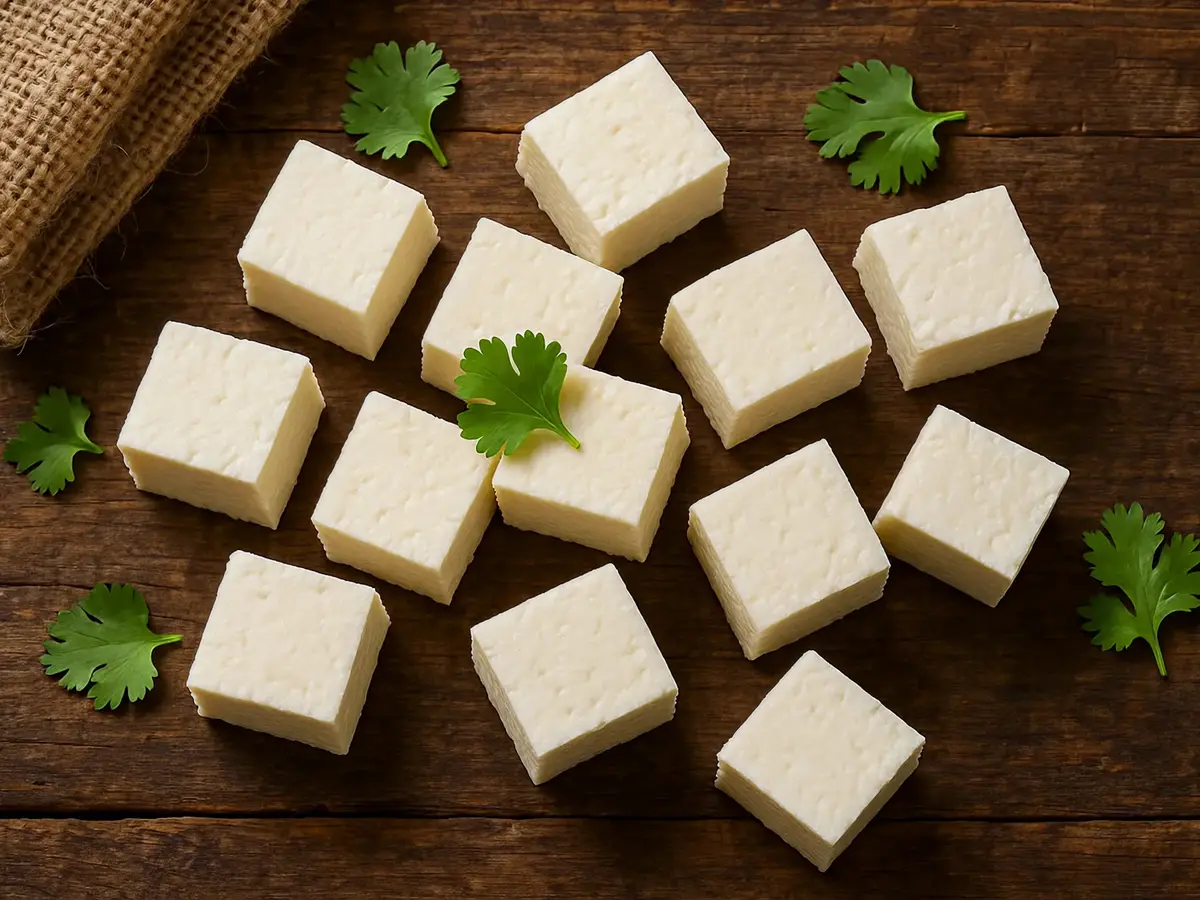
Indian states ban analogue paneer over health concerns
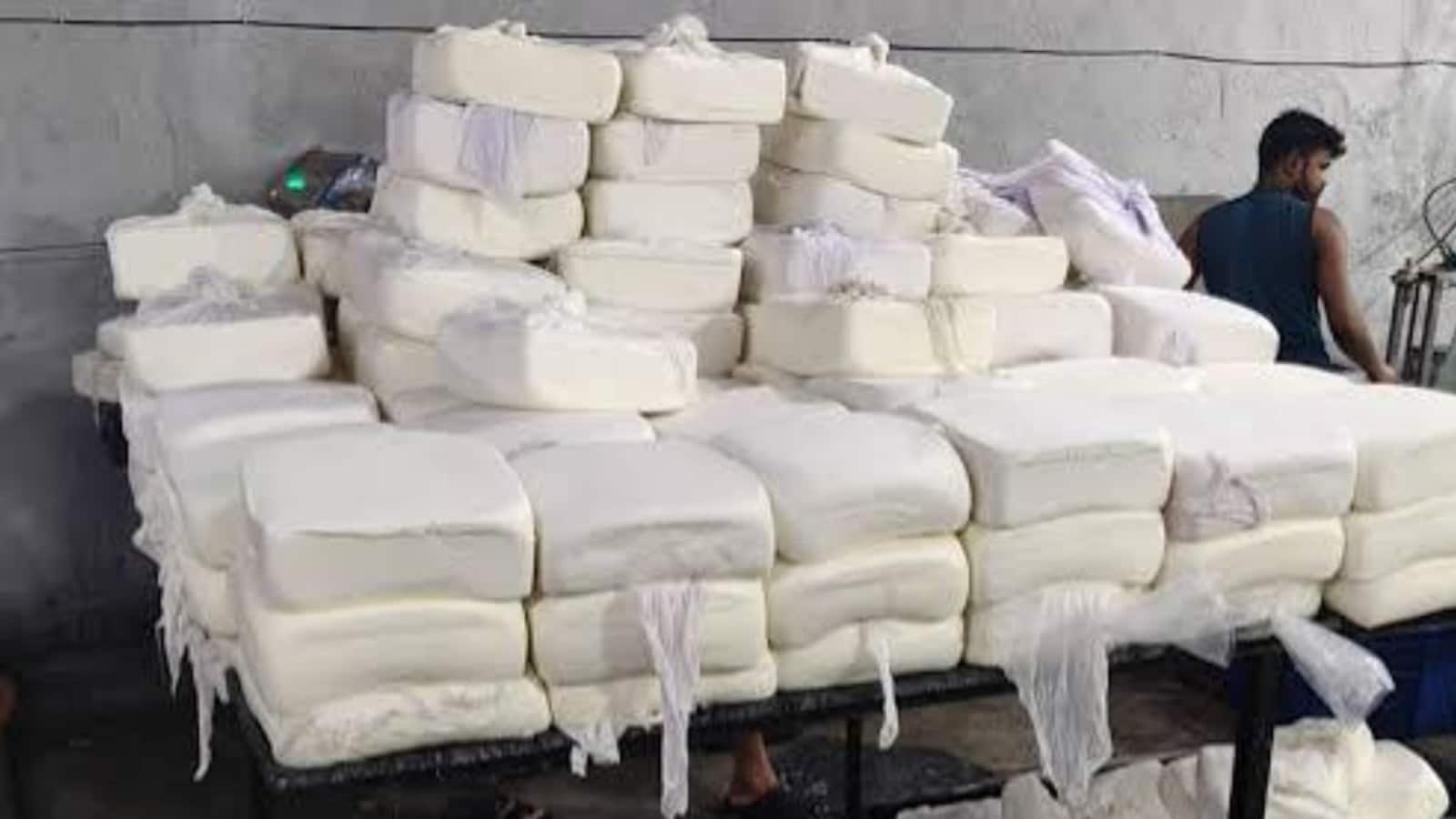
FSSAI Bans Analogue Paneer Over Health Concerns and Mislabelling
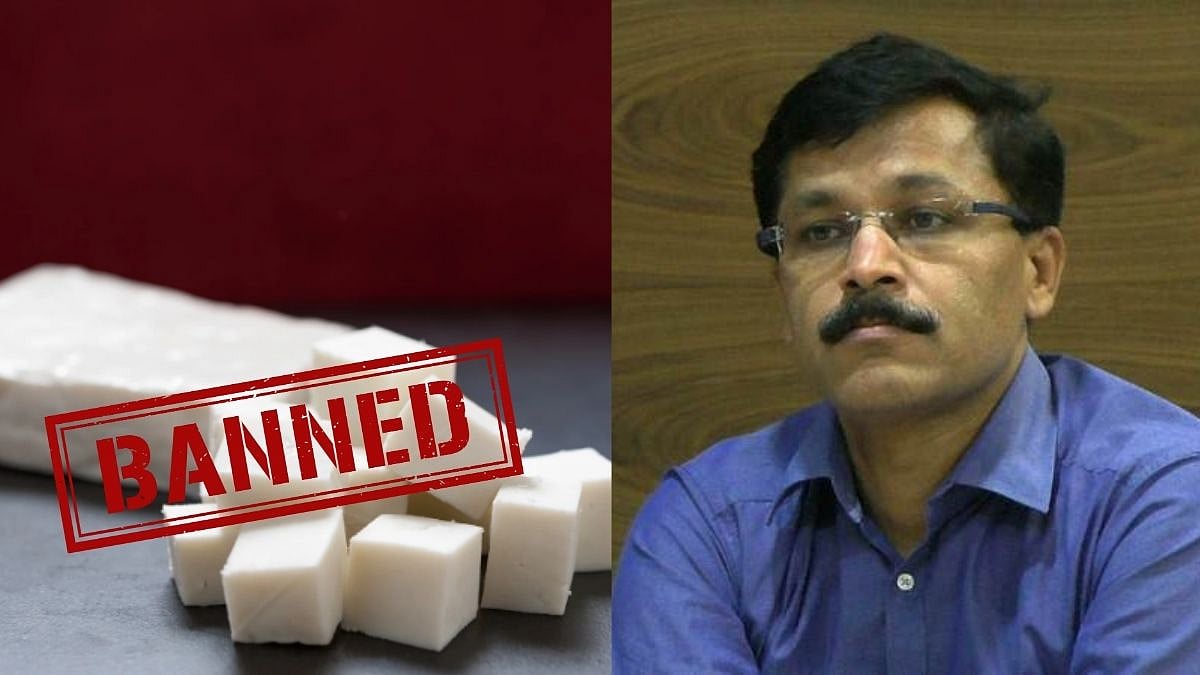
Maharashtra Bans Analogue Paneer for One Year After Test Failures
Zomato Bans Analogue Paneer Over Transparency Concerns
Maharashtra bans analogue non-dairy paneer; offenders face jail, fines
India’s Proposed Food Warning Labels Face Health, Industry Backlash

FSSAI Chief Backs Mundhe’s Maharashtra Food Safety Drive

Egg prices surge 10-50% in six months, consumers concerned about adulteration
Cockroach Allegedly Spotted On Dessert Plate At Virar Restaurant

India Proposes Red Warning Labels for Unhealthy Packaged Foods