

2 hrs ago
Delhi High Court Replaces Points System for Senior Advocate Designations
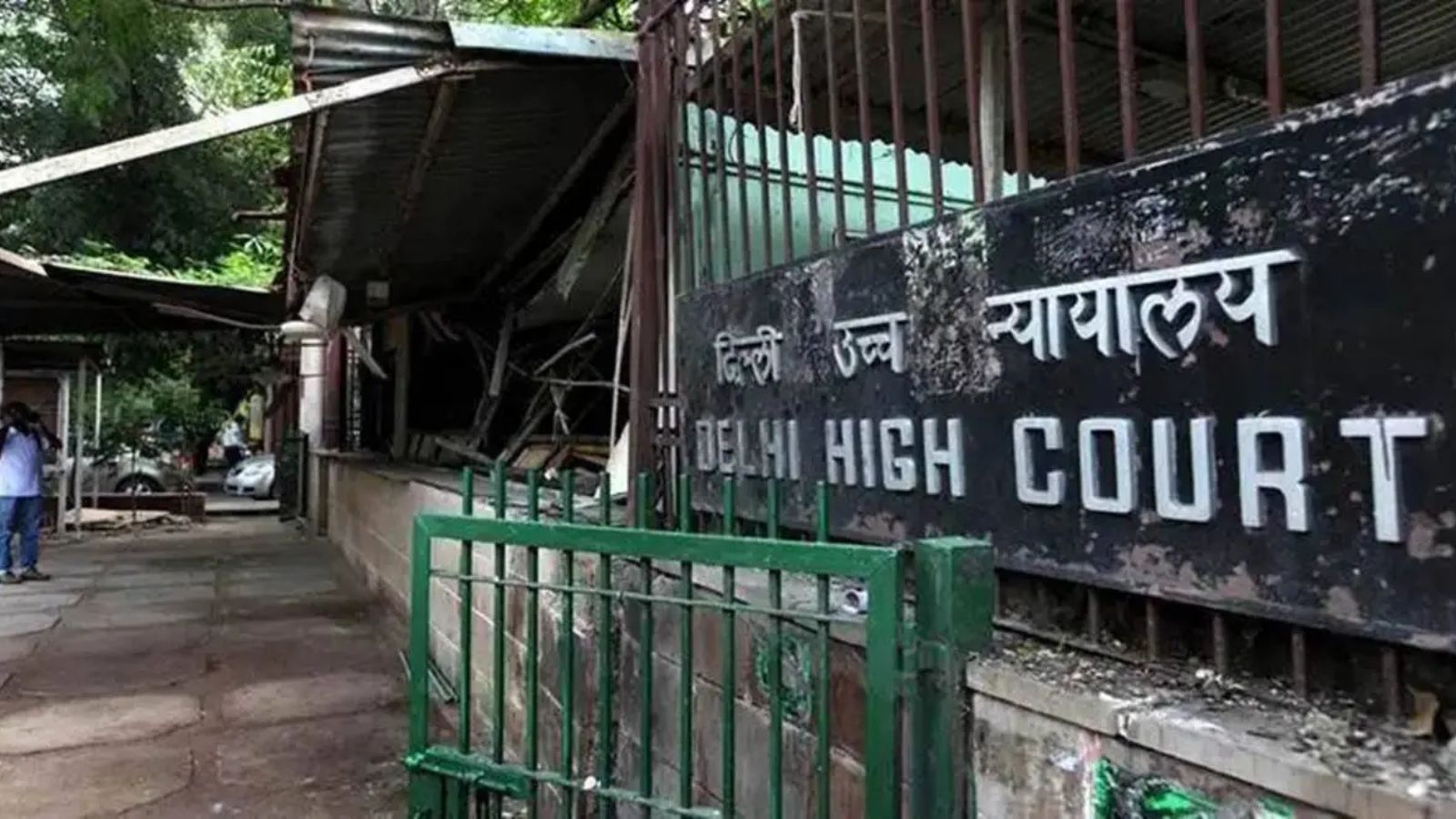
The Delhi High Court changed how lawyers can become senior advocates.
Previously, a committee gave applicants points for things such as experience, publications, and interviews.
The full court then considered the applicants based on those scores.
The new rules remove that points system and the committee that managed it.
A permanent secretariat will collect information about applicants instead.
The full court will make the final decision by agreement or by a two-thirds vote.
The change follows concerns about the earlier system and a Supreme Court ruling.
The court may try to give different groups of lawyers equal opportunities, including newer, first-generation advocates.

The Delhi High Court notified amended rules ending its 100-point evaluation system for senior advocate designations.
The full court will decide designations by consensus or by at least a two-thirds majority vote.
A permanent secretariat, headed by a registrar-level officer, will compile candidate information and invite applications annually.
The changes follow a Supreme Court finding that the points-based system had not achieved its objectives.
Of 302 applications considered in the earlier process, 155 advocates were eventually designated seniors, while 67 decisions were deferred and 147 were rejected.
- Who
- The Delhi High Court, its full court, permanent secretariat, applicants, and the Supreme Court are involved.
- What
- The Delhi High Court replaced its 100-point system and permanent committee for designating senior advocates with a full-court decision process.
- Where
- The Delhi High Court, in Delhi.
- When
- The amended rules were notified on September 3; the change follows a Supreme Court ruling from May 2025 and related guidelines notified in February.
- Why
- The change follows the Supreme Court’s view that the 100-point assessment system had not achieved its desired objectives and came after controversy over the earlier process.
Previous Points-Based Process
Amended Full-Court Process
How candidates are assessed
Previous Points-Based Process
A permanent committee evaluated applicants using 100 points based on factors including publications, years of practice, and an interview.
Amended Full-Court Process
A permanent secretariat will compile information, seek views from relevant judges and tribunals, and place the names before the full court.
Who makes the decision
Previous Points-Based Process
The committee’s qualifying names were submitted to the full court, with secret-ballot voting available only as an exception.
Amended Full-Court Process
The full court will decide through consensus or by at least a two-thirds majority vote.
Reason for the change
Previous Points-Based Process
The earlier process faced controversy after 302 applications were received and a committee member challenged how the final list was prepared.
Amended Full-Court Process
The revised process follows the Supreme Court’s conclusion that the 100-point system had not achieved its desired objectives and allows the court to encourage wider participation, including by first-generation advocates.
Key facts
- New decision method
- The full court will decide by consensus or by at least a two-thirds majority through voting.
- Previous method
- A permanent committee used a 100-point evaluation before names went to the full court.
- New administrative body
- A permanent secretariat headed by a registrar-rank officer will compile candidate information.
- Application frequency
- The permanent secretariat must initiate the process at least once every year.
- 2024 applications
- The earlier process received 302 applications.
- Final designations
- A total of 155 applicants were eventually designated senior advocates; 85 were designated in July, in addition to 70 earlier designations.
- Court discretion
- The full court is not required to record reasons for its decisions.
Quotes
Supreme Court three-judge bench
A three-judge Supreme Court bench that reviewed the senior designation evaluation process
“the system of 100 point-based assessment has not achieved the desired objectives”
 indianexpress.com
Sources
Related news

Collegium Recommends Eight Judicial Officers for Delhi High Court
Centre Appoints Seven Judges to Delhi High Court After Recommendation
Delhi High Court Rejects Challenge Over Deleted Exam Question
Seven New Judges Raise Delhi High Court Strength to 50
Haryana High Court Quashes HPSC’s Mid-Process NET Cutoff

Delhi Lawyers Protest Amended Traffic Challan Rules and 50% Deposit

Congress Questions Delay in Ayodhya Temple Donation Theft Chargesheet
States Struggle to Meet Supreme Court Menstrual Hygiene Mandate

Allahabad High Court Orders Pension After Nearly 30 Years
Election Commission Says Bengal SIR Did Not Alter Results
