1 week ago
Indian Luxury Brands Turn Flagship Stores Into Brand Worlds
Luxury fashion brands are opening large, beautiful stores even though people can shop online.
They believe luxury is about more than buying clothes.
A store can let customers see fabrics, artwork, old designs, and craftsmanship in person.
It can also make shopping feel special and private.
Sabyasachi Mukherjee’s Delhi store is designed like a museum.
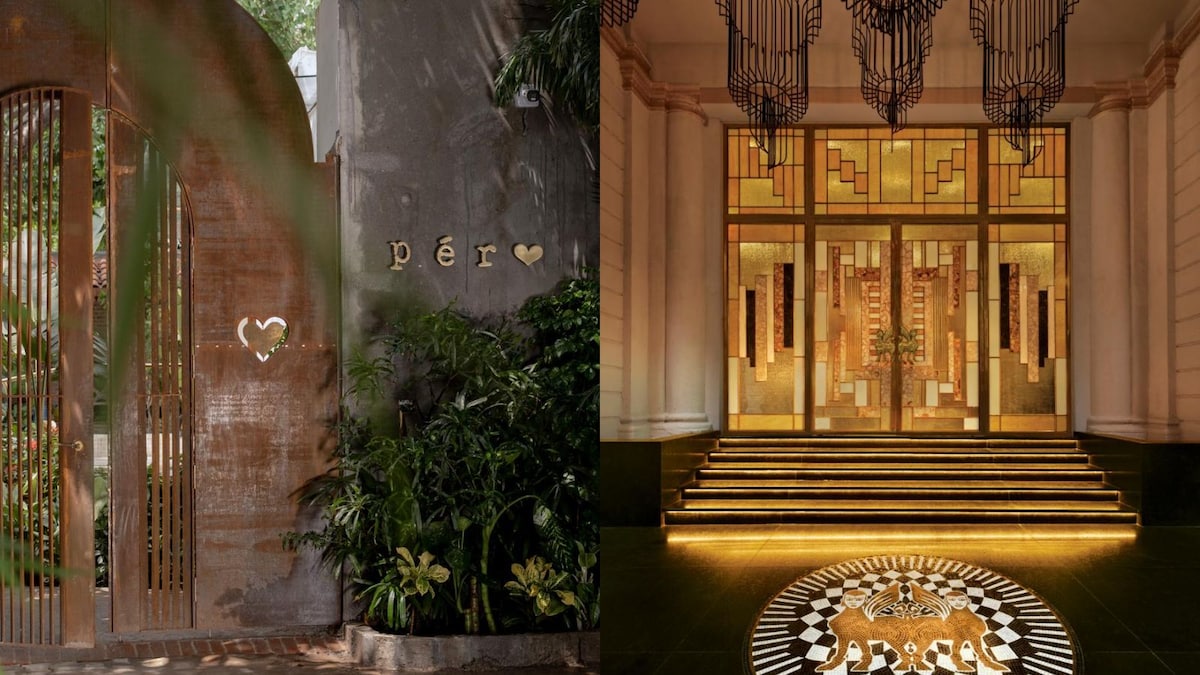
Péro created a space called Pérodise where people can attend conversations and exhibitions.
EKÁ uses old objects and handmade materials to make its store feel lived-in.
These stores may help brands attract wealthy shoppers and charge premium prices.
However, brands still need to learn whether the expensive spaces generate enough sales.

Indian luxury labels are investing in physical flagships despite e-commerce growth.
Stores by Sabyasachi Mukherjee, Péro, EKÁ, and Abu Jani Sandeep Khosla emphasize craft, art, archives, and architecture.
The boutiques are designed to build brand equity, emotional connection, scarcity, and pricing power.
Sabyasachi Mukherjee’s 26,000-square-foot Delhi flagship includes immersive displays, while its Mumbai store offers private lounges and a tea room.
Péro’s Pérodise attracts about 15–20 weekday visitors, with the brand still assessing its rent-to-revenue relationship.
- Who
- Indian luxury labels including Abu Jani Sandeep Khosla, Sabyasachi Mukherjee, Péro, and EKÁ.
- What
- They are investing in immersive flagship stores that function as brand-building and cultural spaces, not only retail outlets.
- Where
- The examples include Mumbai’s Kala Ghoda and Delhi locations including Mehrauli and Pérodise.
- When
- The trend is emerging as e-commerce expands; Péro opened its flagship 17 years after founding the label.
- Why
- Physical stores let brands control the customer experience, present craftsmanship and heritage, create emotional connection, and support premium pricing.
Flagships as strategic brand investments
Retail costs and commercial uncertainty
Purpose of physical stores
Flagships as strategic brand investments
Immersive stores can showcase craft, heritage, art, and architecture in ways websites cannot, strengthening customer relationships and pricing power.
Retail costs and commercial uncertainty
Expensive stores must eventually justify their rents through revenue, and Péro says it is still assessing that relationship.
Péro’s expansion
Flagships as strategic brand investments
Aneeth Arora describes Pérodise as a natural next chapter created because the right time and space appeared.
Retail costs and commercial uncertainty
The move could be viewed as a response to weaker exports or pressure to match competitors, although Arora rejects both explanations.
Store success
Flagships as strategic brand investments
Destination flagships can attract affluent shoppers, international visitors, and clients seeking private appointments or cultural experiences.
Retail costs and commercial uncertainty
Footfall and purchases are not guaranteed; Pérodise currently reports modest weekday walk-ins and is still testing its business model.
Key facts
- Sabyasachi Delhi flagship
- A 26,000-square-foot store in Mehrauli designed as an extension of the brand.
- Sabyasachi Mumbai store
- Includes private lounges and a tea room for immersive, appointment-led shopping.
- Péro flagship
- Pérodise opened after 17 years of the label’s development.
- Pérodise footfall
- The space receives around 15–20 weekday walk-ins, with higher weekend traffic.
- Mumbai retail rents
- Prime retail in Kala Ghoda reportedly costs ₹600–₹1,000 per square foot monthly.
- Delhi retail rents
- Lodhi Colony and Mehar Chand Market reportedly cost ₹250–₹400 per square foot monthly.
- EKÁ store design
- Uses reclaimed wood, limewashed walls, antique objects, and a handcrafted roof.
Quotes
Aneeth Arora
Founder and designer of Péro
“Pérodise happened because the time and the space felt right.”
 CNBC TV 18
“For us, craft is not a trend. It is the foundation of EKÁ.”
CNBC TV 18
Sources
Related news

péro Opens Its First Store in 17 Years

Fashion Houses Transform Luxury Real Estate Through Branded Residences
LURE Holdings Partners With CIRIL on India’s Branded Real Estate

How C. Krishniah Chetty Is Redefining Modern Luxury

Harit Zaveri Jewellers Opens Surat Flagship With Vicky Kaushal
CaratLane unveils Gariahat flagship as diamond buyers embrace everyday jewellery
Vimarsh Razdan on Fashion, Work, Balance and Brands
Rukmini Maitra Traces Her Timeless Style to Family and Puja

Indian Brides Face Pressure for Flawless Skin and Perfection
Sabyasachi Returns to New York With Bengal Byzantine Broadway