2 weeks ago
Spain Was Warned Weeks Before Deadly Ceuta Migrant Rush
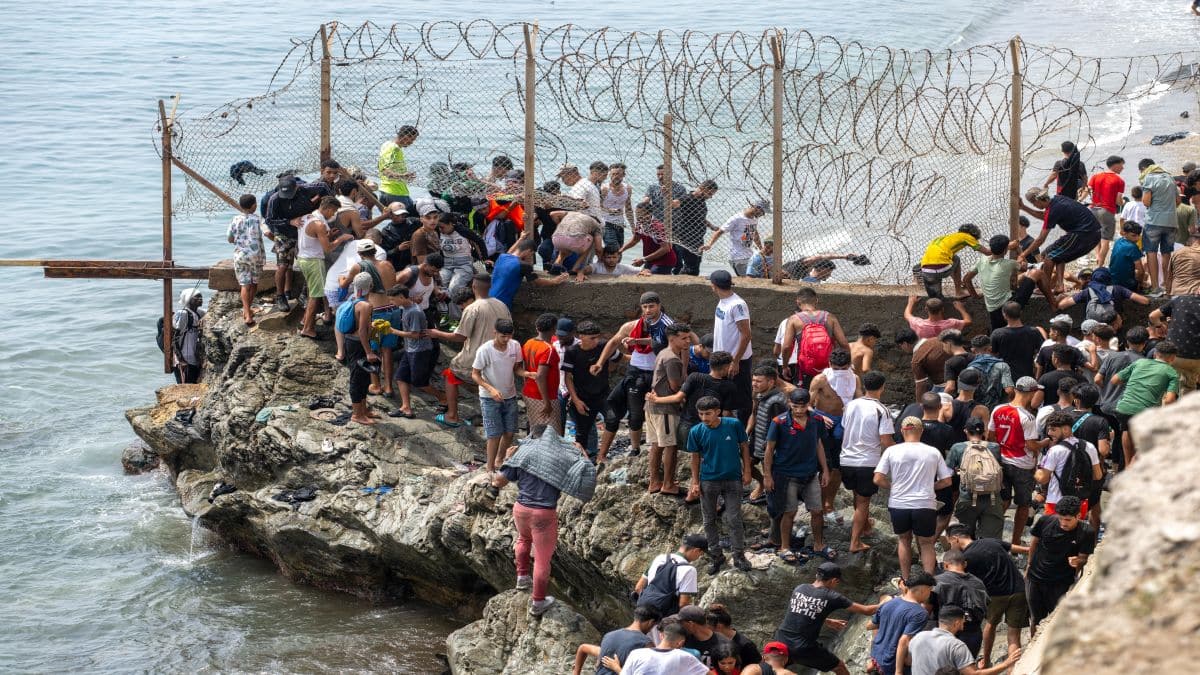
Many people wanted to get to Spain, and in just two days more than 70,000 of them tried to cross into a Spanish city in Africa called Ceuta.
A judge had made a rule saying people who swim into Ceuta cannot be sent back right away, and videos online showed some people getting in.
That made even more people try, and sadly, many people died — officials confirmed at least 94 deaths.
Police who work at the border say they warned the Spanish government weeks before that this might happen, but the government did not act fast enough.
The government says the problem was caused by criminals spreading wrong information.
The European Union pays Morocco, a nearby country, to help watch the borders, but experts say Morocco also did not act early enough.
Morocco says taking care of the problem is Spain's job, and Europe should stop more people from trying in the first place.
Some leaders disagree about whether migrants should be welcomed to work in Spain or stopped at the border.
Everyone agrees that what happened was very sad, and that countries need to plan better to keep people safe.

Spanish border police unions warned Spain's government weeks before the July 29-30 rush that a court ruling and social media could trigger a surge of arrivals by sea.
A Spanish court ruling published June 29 said migrants swimming to Ceuta could not be immediately pushed back, unlike those crossing a physical barrier.
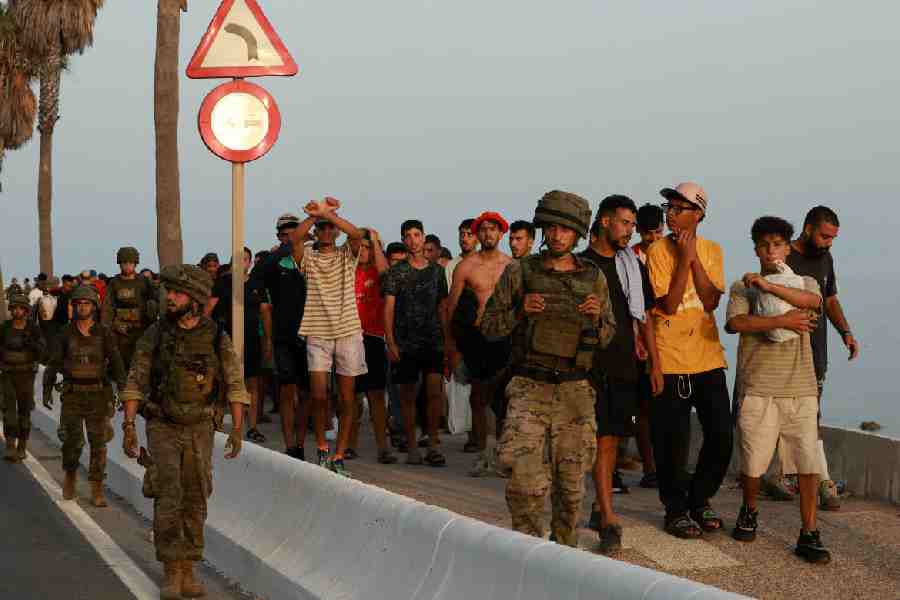
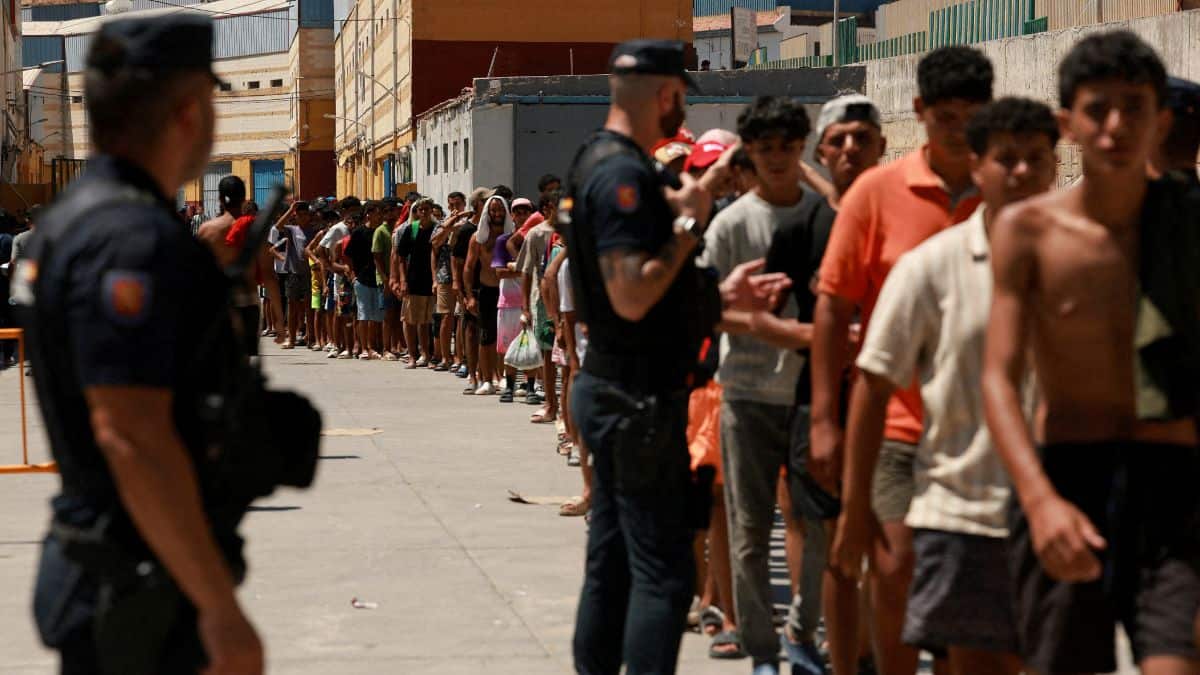
More than 70,000 migrants entered Ceuta on July 29-30; confirmed deaths stand at 94, with human rights groups saying the toll could be higher.
Spain's government blamed criminal networks spreading misinformation for the rush, while unions called the ruling, gangs, and social media 'an explosive cocktail.'
Morocco, which received €152 million from the EU in 2023 for border policing, began stricter checks only one to two days before the crossing; International Crisis Group's Riccardo Fabiani called the lack of proactive action 'a policy failure.'
- Who
- Migrants attempting to reach Ceuta, Spanish border police unions (including the Civil Guard's AUGC and the SUP), Spain's government, and Moroccan authorities
- What
- A mass sea crossing in which more than 70,000 migrants entered the Spanish enclave of Ceuta, with at least 94 confirmed deaths
- Where
- The Spanish enclave of Ceuta on the North African coast, bordering Morocco
- When
- July 29-30, weeks after a Spanish court ruling published on June 29
- Why
- A court ruling allowing swimmers not to be pushed back, social media encouragement, and criminal networks drew large numbers of migrants to attempt the crossing
Governments' Perspective
Critics' Perspective
Warnings Ahead of the Rush
Governments' Perspective
Spain's government said the deadly rush was caused by misinformation about the court ruling spread by criminal networks, and officials studied options before installing a floating barrier within 48 hours of the decision.
Critics' Perspective
Border unions said they warned authorities weeks earlier of the risk and received no fresh instructions or action, calling the combination of the ruling, criminal gangs, and social media 'an explosive cocktail.'
Responsibility for Border Control
Governments' Perspective
Spain and Morocco praised their cooperation, the European Commission said it would work with both countries to strengthen the border, and Morocco said tackling the consequences was Spain's responsibility.
Critics' Perspective
Critics said neither side acted early enough: Spain ignored union warnings, and Morocco sent significant reinforcements only when the surge spiralled into tens of thousands, which analysts called a policy failure.
Migration Policy Approach
Governments' Perspective
Spain urges a more humanitarian approach to migration and registers undocumented migrants to allow them to work and support its fast-growing economy.
Critics' Perspective
Moroccan Justice Minister Abdellatif Ouahbi said that if Spain is willing to receive all migrants, why should Morocco force people to jump the fences and throw themselves into the sea, adding 'Let's open the borders.'
Key facts
- Migrants in rush
- More than 70,000
- Confirmed deaths
- 94 (80 per Spanish authorities; 14 bodies recovered in Morocco); rights groups say it could be higher
- Mass crossing dates
- July 29-30
- Court ruling published
- June 29
- Floating barrier installed
- August 1
- EU payment to Morocco (2023)
- €152 million ($176 million)
- Morocco's annual border control spending
- Around €500 million
Quotes
Rachid Sbihi
Spokesperson for Spain's Civil Guard police trade union AUGC in Ceuta
“"[But] we understood the ruling would trigger more arrivals. The ruling, the criminal gangs, and social media networks were an explosive cocktail," he told Reuters.”
 firstpost.com
Interior Ministry spokesperson
Spanish Interior Ministry official
“"This prior assessment and analysis work allowed the floating barrier to be put in place just 48 hours after the decision to install it was made, following the massive arrival on July 30."”
firstpost.com