2 weeks ago
Maharashtra's agritourism boom gives farmers a second harvest

Going on holiday in India's big cities can be very expensive and crowded.
So some families now visit farms in the countryside instead – it is called agritourism.
Farmers open their farms to guests, who can eat local food, see farm animals and enjoy village life.
This gives farmers extra money on top of what they get from selling crops.
In the village of Chinchani, women gave their gold jewellery as a promise to get a loan to start a tourism centre.
Their first season was so successful that the village paid back the loan and got the gold back.
Farmers who sell pickles, flour and other snacks directly to visitors earn much more than selling through middlemen.
Visitors also learn that farming is hard work, and they respect farmers more.
The government made rules and offered help, but some farmers say help arrives slowly and their power bills are very high.
Overall, agritourism is giving Maharashtra's farmers a second source of income and a new sense of pride.

Since Maharashtra introduced its Agritourism Policy in 2020, registered agritourism centres have doubled to around 2,800, with about twice as many unregistered centres estimated to be operating.
According to Pandurang Taware of Agri Tourism India, for every Rs. 100 a tourist spends, Rs. 60–70 goes to the farmer and the rest benefits the wider village economy.
Chinchani village's women's self-help group, which mortgaged about 50 tolas of gold to start a tourism centre in 2023, has hosted over 25,000 tourists and generated over Rs. 1 crore in turnover.
Agritourism has boosted Jalna mango farm revenues by 35%, farmer earnings in Beed by 20% and Mahabaleshwar strawberry farmers' income by 10–20% per kg.
Operators like Pratibha Sanap and Balu Gawande say policy gaps, delayed incentives, upfront GST and high electricity bills (Rs. 7.5 lakh for Gawande) still discourage agritourism.
- Who
- Maharashtra's farmers, villagers and agritourism operators such as Mohan Anpat (Chinchani), Aruna S. Purohit (Surabardi), Pratibha Sanap (Jikthan), Balu Gawande (Naregaon) and agritourism pioneer Pandurang Taware of Agri Tourism India.
- What
- A boom in agritourism — farm-based stays, farm experiences and direct produce sales — that is giving Maharashtra's farmers a second source of income and boosting village economies.
- Where
- Across Maharashtra, including Chinchani near Pandharpur, Surabardi near Nagpur, Jikthan near Chhatrapati Sambhajinagar, Naregaon near Washim, plus Mahabaleshwar, Jalna and Beed.
- When
- Since Maharashtra's Agritourism Policy was announced in 2020, with growth continuing through recent years; Chinchani's community venture launched in 2023.
- Why
- To help farmers supplement modest farm earnings, improve the long-term viability of farming, create village employment and build urban visitors' empathy for rural life.
Policy supporters
Farmers and operators
Incentive delivery
Policy supporters
The state offers support such as an up-to-18% capital investment incentive, interest reimbursement on women entrepreneurs' loans of up to Rs. 12.5 lakh and electricity at domestic rates for agritourism operators.
Farmers and operators
Taware says the 18% incentive 'amounts to nothing' because farmers must first pay 18% GST and then wait months or years for incentives; Sanap asks for low-interest credit and concessional power tariffs, and Gawande received a Rs. 7.5 lakh electricity bill despite having no arrears.
Use of agritourism earnings
Policy supporters
Agritourism creates opportunities — nearly half of Chinchani's residents work in tourism, adding 5–7% to every household's income and reducing dependence on moneylenders.
Farmers and operators
Purohit observes that while some beneficiaries invest extra money in their families, many lose their share to liquor and predatory savings groups, calling this 'the larger social challenge.'
Key facts
- Policy
- Maharashtra Agritourism Policy announced in 2020
- Registered centres
- Around 2,800, doubled since 2020; about twice as many unregistered centres likely operating
- Tourist spending split
- Rs. 60–70 of every Rs. 100 spent goes to farmers, rest to the village economy (per Pandurang Taware)
- Chinchani results
- 25,000+ tourists; turnover over Rs. 1 crore; net gains over Rs. 30 lakh; tourism employs nearly half of the village's 400 residents
- Chinchani funding
- Women mortgaged around 50 tolas of gold; redeemed after the first hurda party season
- Farm revenue gains
- Jalna mango farms +35%; Beed farmer earnings +20%; Mahabaleshwar strawberries +10–20% per kg
- Policy rules
- At least 80% of registered projects must remain under agriculture; accommodation capped at eight rooms
- Support and grievances
- Up to 18% capital incentive, interest reimbursement on women's loans up to Rs. 12.5 lakh and domestic-rate electricity; operators cite delayed incentives and a Rs. 7.5 lakh electricity bill in Naregaon
Quotes
Pandurang Taware
Managing Director of Agri Tourism India and noted agritourism pioneer
“Our studies indicate that for every Rs. 100 a tourist spends, around Rs. 60–70 goes to the farmer and the rest benefits the wider village economy.”
 freepressjournal.in
“Nearly three‑fourths of our earnings now come from agritourism, and we actively engage local artists from potters to magicians.”
freepressjournal.in
Sources
Related news

Maharashtra key to Viksit Bharat journey: Fadnavis cites 8.8% growth

Odisha’s ‘Drone Didi’ Helps Farmers Cut Costs, Earn More

Maharashtra Unveils ‘Farm to Foreign’ Plan to Boost Textile Exports
Naga King Chilli Boosts Rural Income in Nagaland Village

Rs 5,028 crore reaches 6.22 lakh Maharashtra farmers in waiver

'Shakti On Wheels' Brings Maharashtra SHG Products to Navi Mumbai

Stocks to Watch Thursday as Key Corporate Developments Drive Focus
Jarange Accuses Maharashtra Government of Inciting Riots During Fast
Mumbai Trains Election Officials Amid Statewide Electoral Roll Revision

Bombay Gymkhana Squash Finals Set After Junior Semifinals
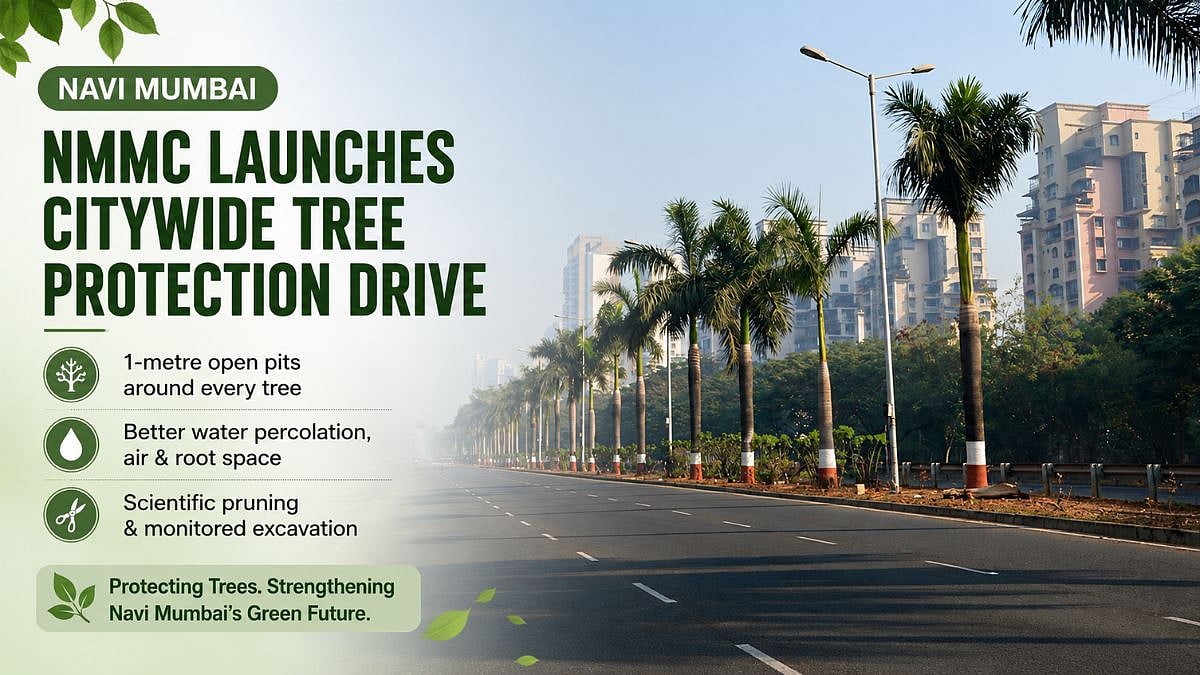
NMMC Launches Navi Mumbai Drive to Protect Existing Trees