3 days ago
Why Delhi Should Bargain Hard With Xi’s China
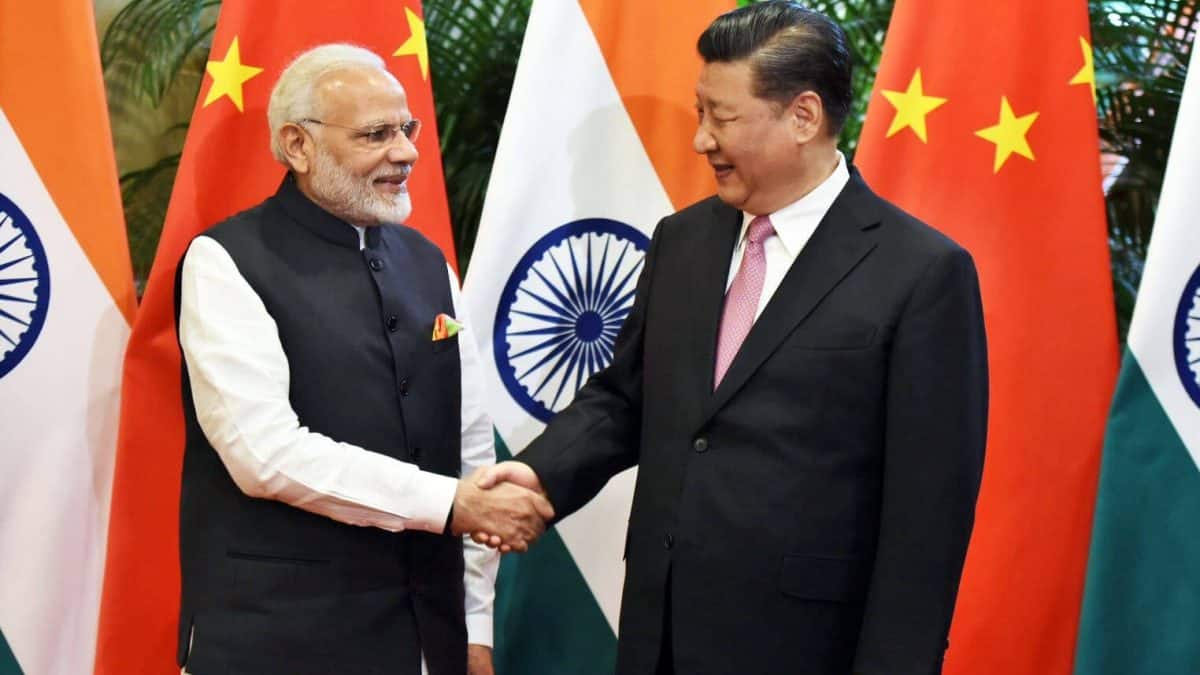
The article says China looks very powerful and confident under Xi Jinping.
But it argues that China also has important problems.
Its economy is slowing, its population is ageing and its workforce is shrinking.
China is also facing stronger competition from the United States.
India has shown that it will resist pressure, especially during the Doklam and Galwan crises.
Because of these challenges, China may want better relations with India.
The author says India should talk with China but should not forget past disputes.
India should cooperate where useful while staying strong and careful.

The article argues that Xi Jinping’s confident image may conceal China’s strategic and economic urgency.
China faces slower growth, an ageing population, a shrinking workforce and rising dependency pressures.
Beijing has expanded its military and diplomatic capabilities while pursuing greater global influence.
India’s resistance during the Doklam and Galwan crises demonstrated limits to China’s coercive approach.
The article recommends normalising ties while negotiating from a position of strength and remaining alert to Chinese pressure.
- Who
- Xi Jinping’s China and the Indian government are the main actors.
- What
- The article argues that India should seek improved ties with China while bargaining firmly.
- Where
- The proposed talks would take place in Delhi, amid wider regional and global competition.
- When
- The discussion concerns a possible Xi Jinping visit to Delhi next month.
- Why
- China may be facing slower growth, demographic decline, technological competition and a more difficult international environment.
Engage and Normalize
Negotiate From Strength
How India should approach China
Engage and Normalize
India should pursue normalisation because the relationship cannot remain permanently hostage to historical distrust, and cooperation may serve both countries’ interests.
Negotiate From Strength
India should not mistake tactical accommodation for friendship and should bargain from strength while preparing for prolonged Chinese grey-zone coercion.
China’s apparent confidence
Engage and Normalize
China’s expanding military, diplomatic network and global ambitions suggest that Beijing remains a formidable power.
Negotiate From Strength
China’s swagger may conceal urgency caused by slower growth, demographic decline, technological competition and pressure from the United States.
China’s regional intentions
Engage and Normalize
Limited cooperation with India could help China manage its wider strategic environment and reduce confrontation.
Negotiate From Strength
China is unlikely to abandon Pakistan, Bangladesh or its broader regional objectives, and may combine pressure with selective accommodation.
Key facts
- Possible visit
- Xi Jinping is expected to visit Delhi next month, according to the article.
- Reported delegation
- The delegation is reportedly expected to include more than 400 people.
- China’s diplomatic spending
- By 2019, Xi had nearly doubled Beijing’s diplomatic spending to about 62 billion yuan, or roughly $9 billion.
- Diplomatic network
- China reportedly had about 276 embassies, consulates and other missions globally by 2019.
- Economic pressure
- The article says China’s growth is slowing and that some causes are structural rather than cyclical.
- Demographic pressure
- China faces a shrinking workforce, an ageing population and a worsening dependency ratio.
- Key precedents
- The article cites the Doklam and Galwan crises as evidence of both Chinese risk-taking and limits to coercion against India.
Quotes

Nicholas Kristof
Former China correspondent and Pulitzer Prize-winning journalist
“Xi has swagger, the confidence of being the boss.”
 firstpost.com
“change is coming”
firstpost.com
Alfred Wu
Politics professor who encountered Xi while working as a newspaper reporter in Fuzhou
“Back then he was rather bland and passive — even if he had the authority to do something, he often didn’t use it.”
firstpost.com
Sources
Related news
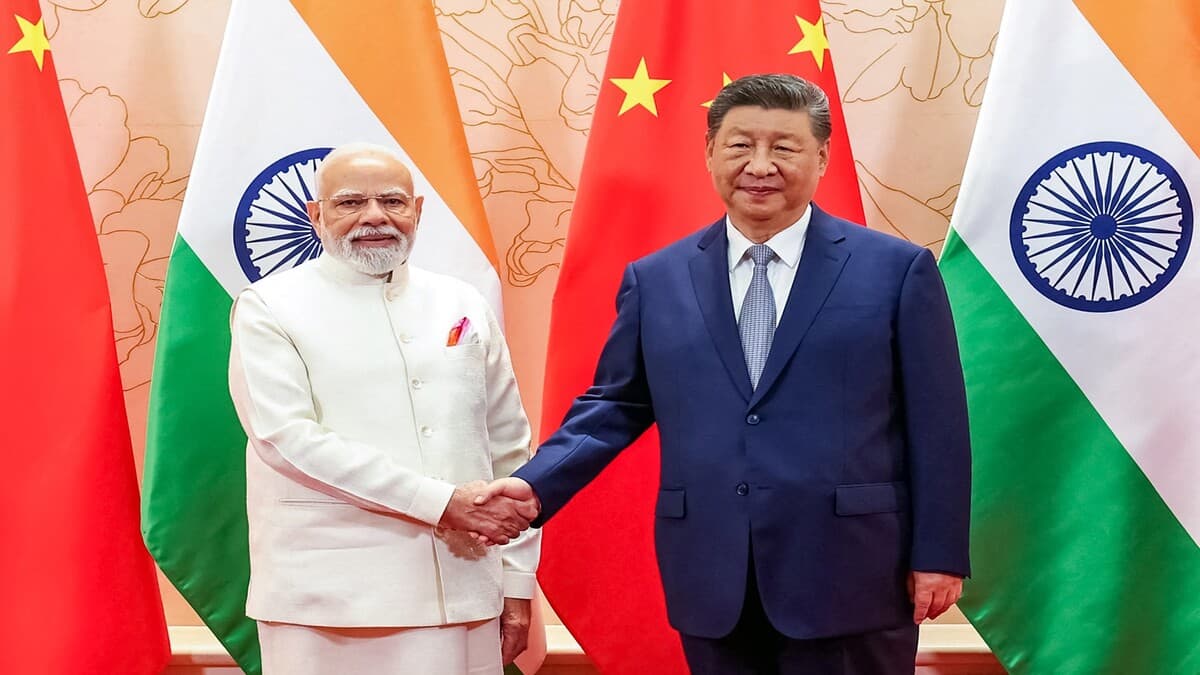
Dragon and Elephant: Xi's China may still need a deal
Xi Jinping Expected in Delhi for BRICS Summit
Xi Jinping’s BRICS Attendance Keeps India and China Guessing

Xi Jinping May Visit India With 400 Officials For BRICS
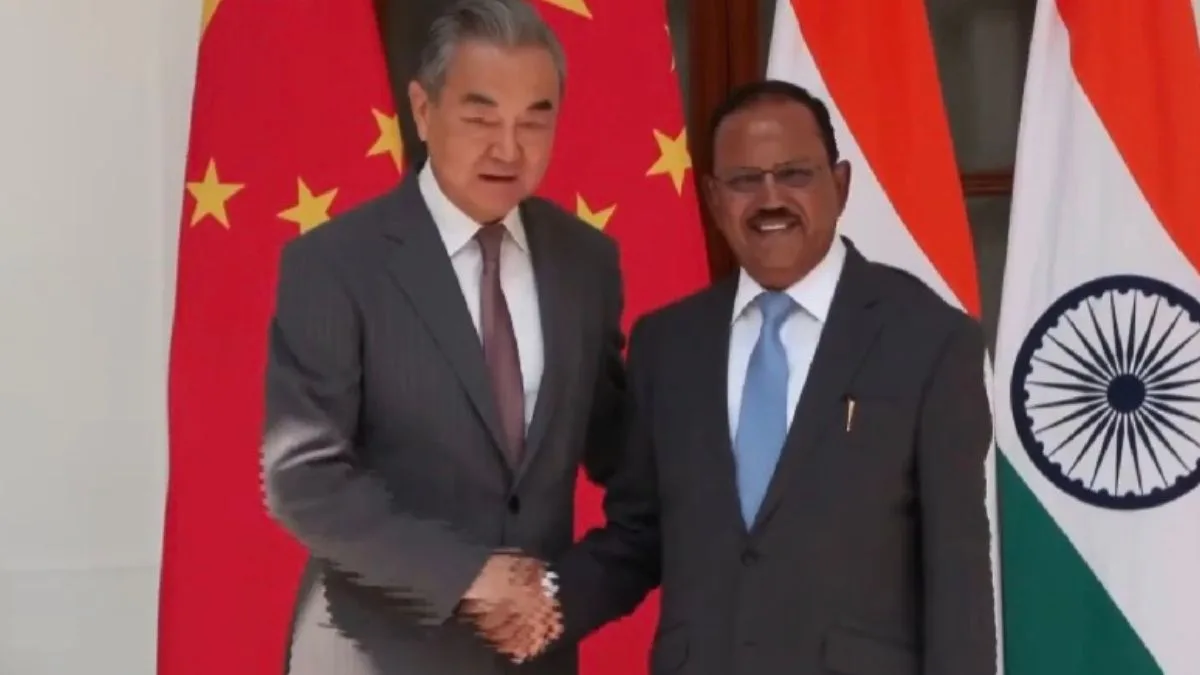
Doval Heads to Beijing for Boundary Talks Before Xi Visit

Sharma and Malik share halfway lead at Telangana Golconda Masters

India Replaces Sri Lanka as 2027 Women’s Champions Trophy Host
Centre Assures JDU Bihar’s Interests In Farakka Treaty Decision

India’s Record Wheat Harvest Opens $1.5 Billion Export Window

West Bengal CM Crushes Nearly 2 Lakh Seized Syrup Bottles