

10 hrs ago
UPSC GS 3 Practice Explores Optogenetics and Oil Prices
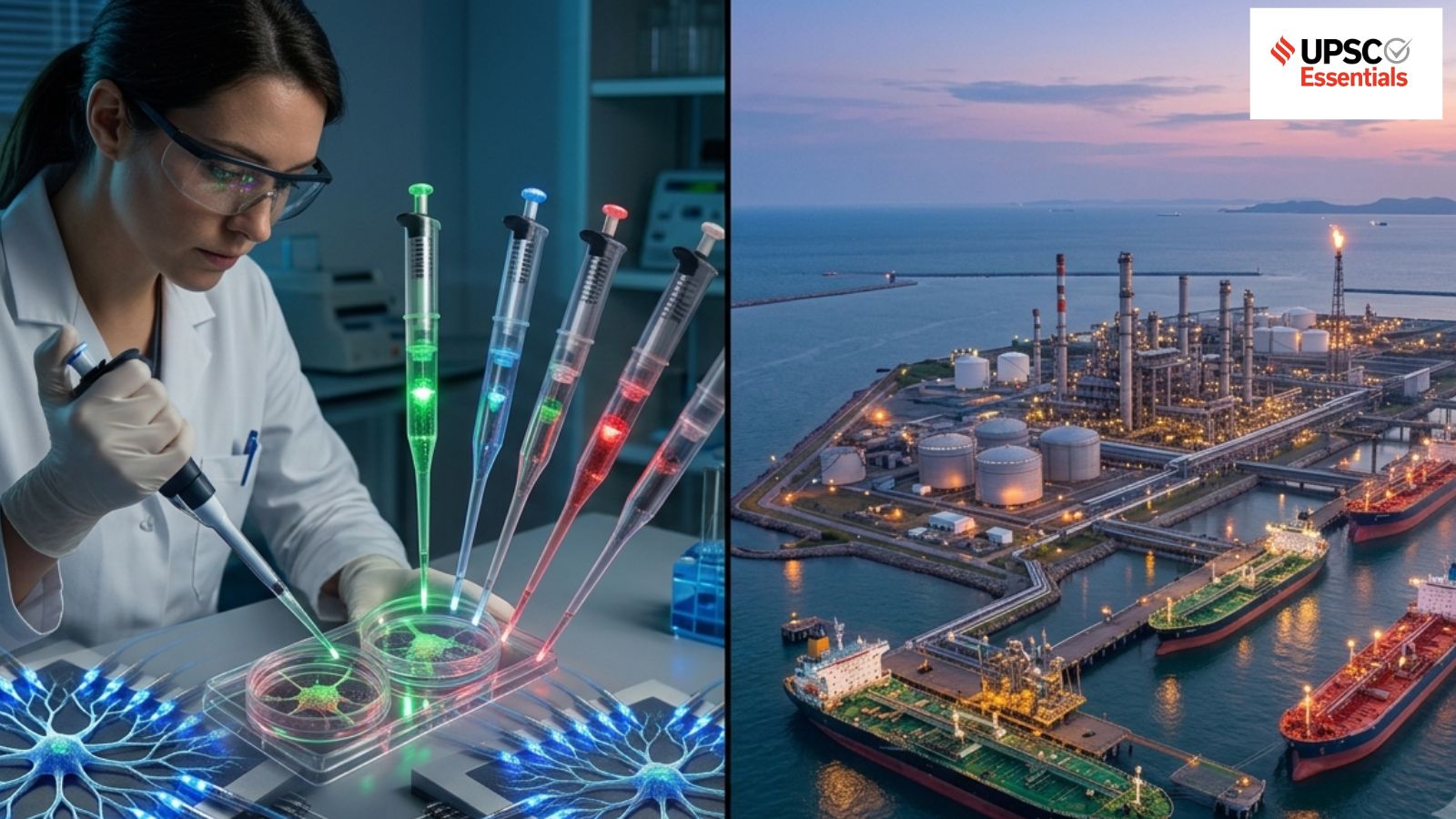
This article gives students two questions to practise for an Indian civil-service exam.
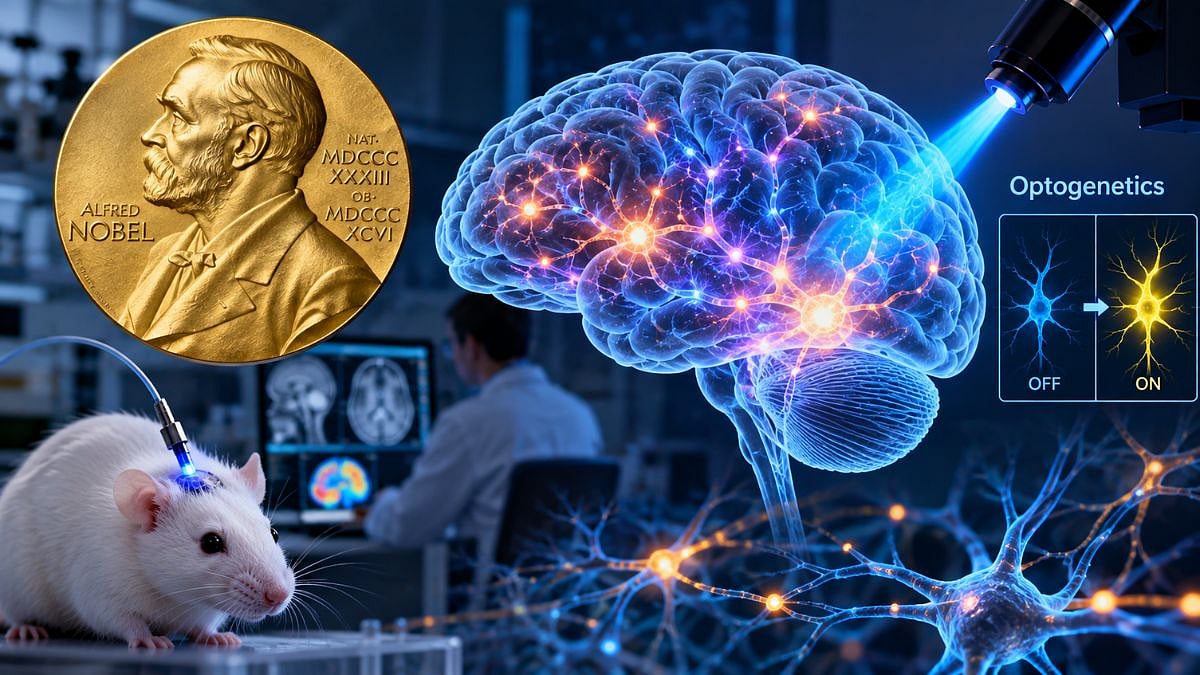
The first is about optogenetics, a way to use light to control selected brain cells.
Scientists can switch some cells on or off and see whether an animal’s behaviour changes.
This helps them test whether certain brain circuits cause particular behaviours.
The second question is about what happens when oil becomes more expensive for India.
India imports most of the petroleum it uses, so dearer oil can raise the cost of fuel and moving goods.
That can make many products more expensive and put pressure on the rupee and the economy.
The Reserve Bank must consider inflation while also avoiding harm to growth.

The practice set asks candidates to discuss optogenetics’ role in testing causal links between neural circuits and behaviour.
It describes light-sensitive proteins as a way to activate or inhibit targeted neurons and observe resulting behaviour.
Examples include research into pain, memory, reward, thirst, attention and fear-related behaviour in animals.
A second question examines how higher crude prices can raise fuel, transport and broader production costs in India.
The article says an oil shock can pressure inflation, the rupee, the current account and growth, complicating RBI decisions.
- Who
- UPSC aspirants preparing for the Civil Services Mains examination.
- What
- A GS Paper III answer-writing practice set covers optogenetics and the economic effects of higher crude oil prices.
- Where
- India; published as part of Indian Express UPSC Essentials.
- When
- Week 175; the article also refers to the September 2026 UPSC Essentials magazine.
- Why
- To help candidates practise questions tied to science and technology, inflation, monetary policy and economic growth.
Monetary tightening
Caution over growth
How the RBI should respond to higher oil prices
Monetary tightening
If oil-driven inflation becomes sustained and widespread, monetary tightening may be needed to contain demand and prevent inflation expectations from taking hold.
Caution over growth
Interest-rate increases cannot increase oil supply or directly resolve a supply shock; excessive tightening may weaken consumption and investment when input costs are already weighing on growth.
Key facts
- Practice set
- UPSC Mains Answer Practice, GS 3, Week 175
- Question 1
- How optogenetics can establish causal links between neural circuits and behaviour
- Question 2
- How higher crude prices affect inflation, monetary policy and growth in India
- Optogenetics mechanism
- Light-sensitive proteins can alter ion flow and neuronal activity in targeted cells.
- Oil import dependence
- The article states that India imports more than 88% of its petroleum requirements.
- Potential oil-shock effects
- Higher oil costs can raise fuel and transport prices, increase the import bill and pressure the current account and rupee.
Sources
Related news

Three Scientists Win 2026 Nobel Medicine Prize for Optogenetics

Oil Above $100 Puts India’s Economic Recovery Under Fresh Strain
Nobel Honors Scientists Behind Optogenetics and Deeper Brain Mapping

Global Shocks Put India’s Middle Class and Economy Under Pressure

RBI to Reassess Inflation, Growth Amid Crude Oil Rise

ONGC, Oil India Rise as Brent Crude Tops $100

Experts Warn Customers Against Renting Accounts to Cybercriminals

Foreign Investors Cut Bank Nifty Shorts Ahead of RBI Policy

RBI Governor Urged to Explain India’s Economic Resilience

Why India Should Pause Rather Than Raise Policy Rates
Rupee Hits Two-Month Low as RBI Sells Dollars
