2 weeks ago
Iran War Prompts Pentagon Rethink of Gulf Bases

The United States is thinking about where to keep its soldiers in the Middle East after the war with Iran.
Some American bases near the Persian Gulf were attacked by missiles and drones.
Because of this, some troops were moved to safer locations.
Military planners are considering leaving them in those new places.
They are also deciding whether damaged bases should be rebuilt.
Possible new locations include areas farther west, such as Jordan, Israel, or Saudi Arabia’s Red Sea coast.
Moving troops farther away could reduce some risks, but it would not make them completely safe.
The United States might also keep working closely with Gulf countries while placing fewer troops there.
No final decision has been made.

Pentagon planners are considering whether wartime troop relocations from vulnerable Gulf bases should become permanent.
Possible changes include moving some forces westward while maintaining security partnerships with Gulf countries.
The assessment is preliminary and is being led by the Pentagon policy office with Joint Staff and CENTCOM involvement.
More than 200 American facilities were reportedly damaged or destroyed, while six US service members were killed in a Kuwait strike.
The war has cost an estimated $37.5 billion and used more than 1,000 advanced air-defense interceptors.
- Who
- The Pentagon, the Joint Staff, US Central Command, and US officials are assessing future American troop deployments; Gulf countries and Iran are central to the security discussions.
- What
- The United States is considering permanently changing the location and size of its military presence in the Middle East after Iranian attacks damaged bases and prompted troop relocations.
- Where
- The review concerns US facilities across the Middle East, especially Persian Gulf bases in Bahrain and Kuwait, with possible westward locations including Jordan, Israel, and Saudi Arabia’s Red Sea coast.
- When
- The assessment is underway after months of attacks during the Iran war; the article says the conflict began in February and remains ongoing or recently concluded without specifying a final end date.
- Why
- Iranian missile and drone attacks exposed vulnerabilities at traditional US bases, causing casualties, extensive damage, high rebuilding costs, and heavy use of air-defense interceptors.
Shift Forces Away From Gulf Bases
Rebuild or Preserve Traditional Positions
Future troop locations
Shift Forces Away From Gulf Bases
Some wartime relocations could become permanent, with personnel and equipment moved farther west toward Jordan, Israel, or Saudi Arabia’s Red Sea coast.
Rebuild or Preserve Traditional Positions
Rebuilding damaged installations in their previous form would preserve the established US military footprint and existing operating locations.
Risk reduction
Shift Forces Away From Gulf Bases
Moving away from traditional Gulf bases could reduce exposure to Iranian missiles and drones after the attacks demonstrated those bases’ vulnerability.
Rebuild or Preserve Traditional Positions
Greater distance would not eliminate the threat, because Iran has shown it can strike targets farther away; a westward move is therefore not a complete solution.
Gulf partnerships
Shift Forces Away From Gulf Bases
The United States could station fewer troops in Gulf countries while continuing arms sales, intelligence sharing, and broader security cooperation.
Rebuild or Preserve Traditional Positions
Some officials and experts emphasize that decisions should address the full security relationship rather than focusing only on reducing troop numbers.
Key facts
- US Central Command presence
- About 40,000 troops are normally stationed across nearly 20 sites stretching roughly 1,500 miles from Jordan to Oman.
- Reported facility damage
- More than 200 American facilities were damaged or destroyed during the conflict.
- US casualties in Kuwait
- Six US service members were killed in a March strike on Port Shuaiba.
- Estimated war cost
- The Pentagon estimates the war will cost about $37.5 billion by the end of September, excluding base reconstruction.
- Estimated repair costs
- The American Enterprise Institute estimated in April that repairs could cost an additional $5 billion.
- Air-defense usage
- US forces used more than 1,000 advanced air-defense interceptors, reducing Patriot and Terminal High Altitude Area Defense missile stocks.
- Current status
- The Pentagon exercise is preliminary, and Secretary of War Pete Hegseth has not ordered a formal review, according to the cited report.
Quotes
Unnamed person familiar with the adjustments
A source close to Pentagon deliberations
“"Iran thinks we are in the traditional places," a person familiar with the adjustments said. "And we are not."”
 thestatesman.com
“"Decisions are going to have to be made on some of this stuff," the official said.”
thestatesman.com

Michael Ratney
Former U.S. ambassador to Saudi Arabia
“"The war really did highlight the vulnerability … of U.S. forces in the region," Ratney said.”
thestatesman.com
Sources
Related news

Pentagon Weighs Gulf Troop Cuts After Iran War Damage

US Begins Returning Diplomats to Middle East Embassies
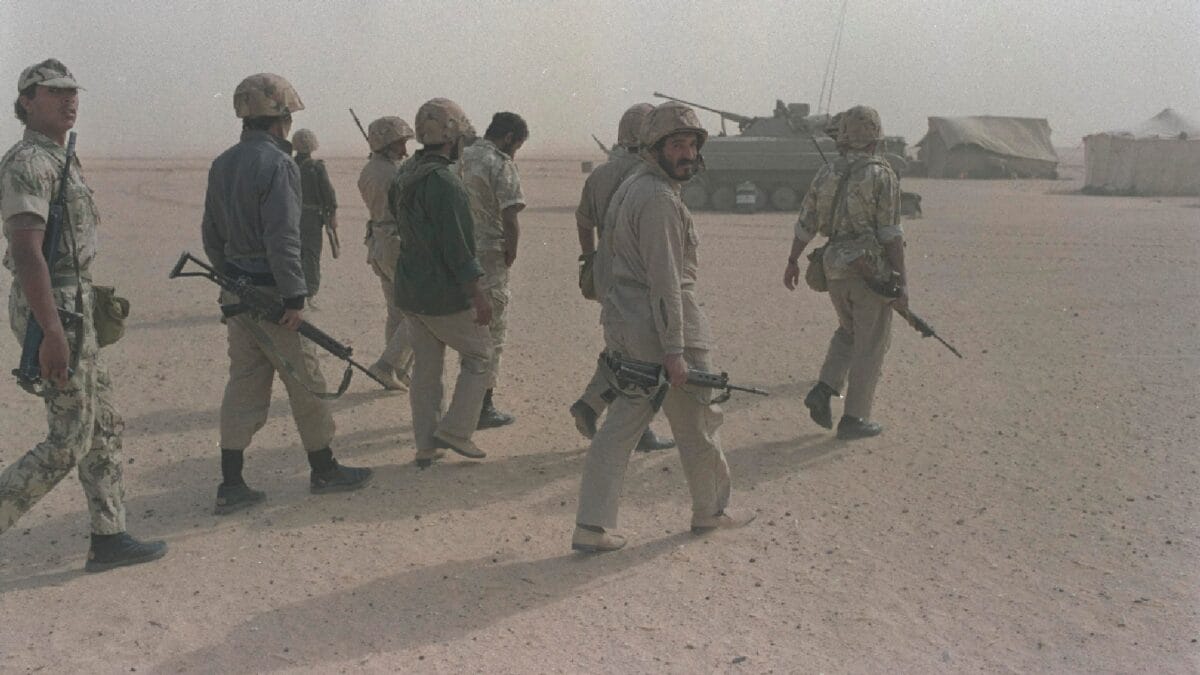
Kuwait Fears Ground Invasion As Iran War Escalates

Trump losing Gulf allies as US-Iran war drags on
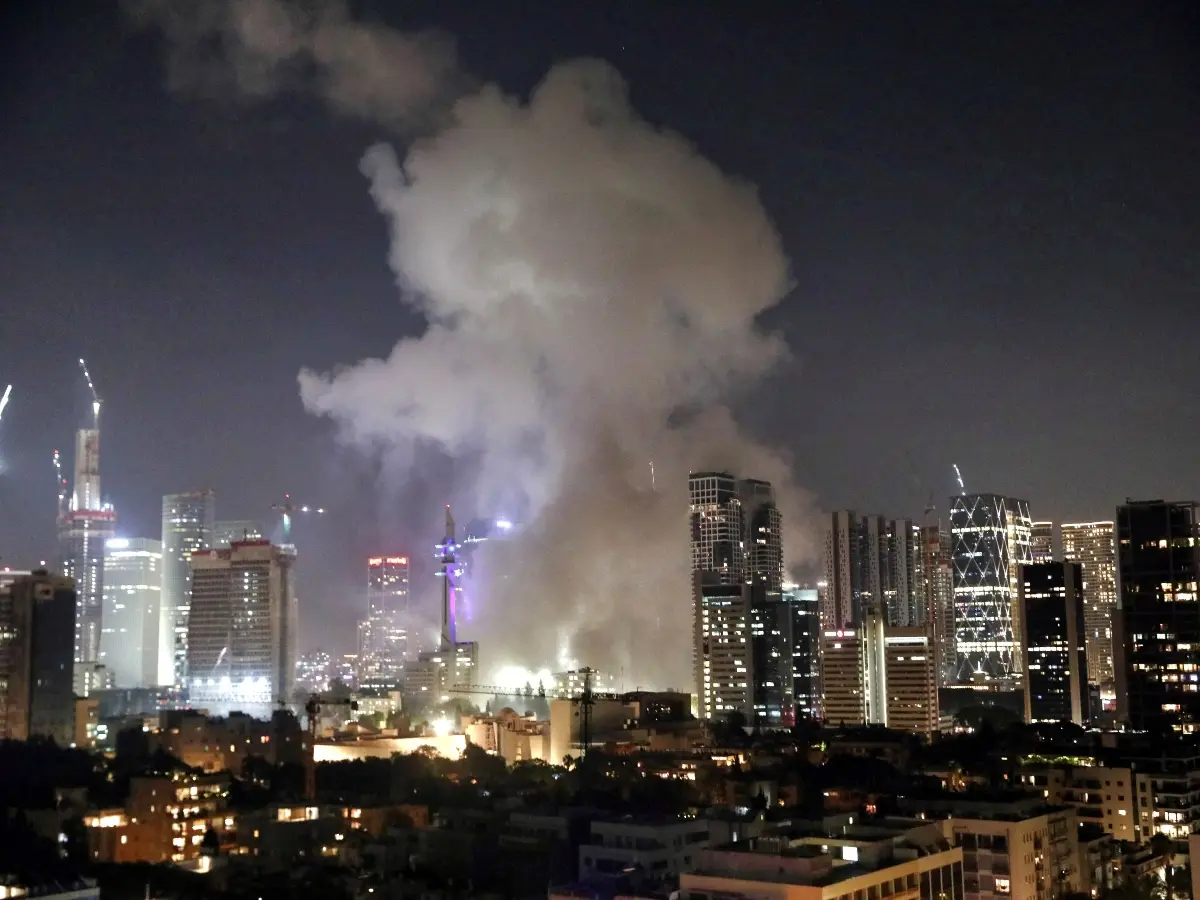
Iran Weighs European US Targets If Trump Escalates War
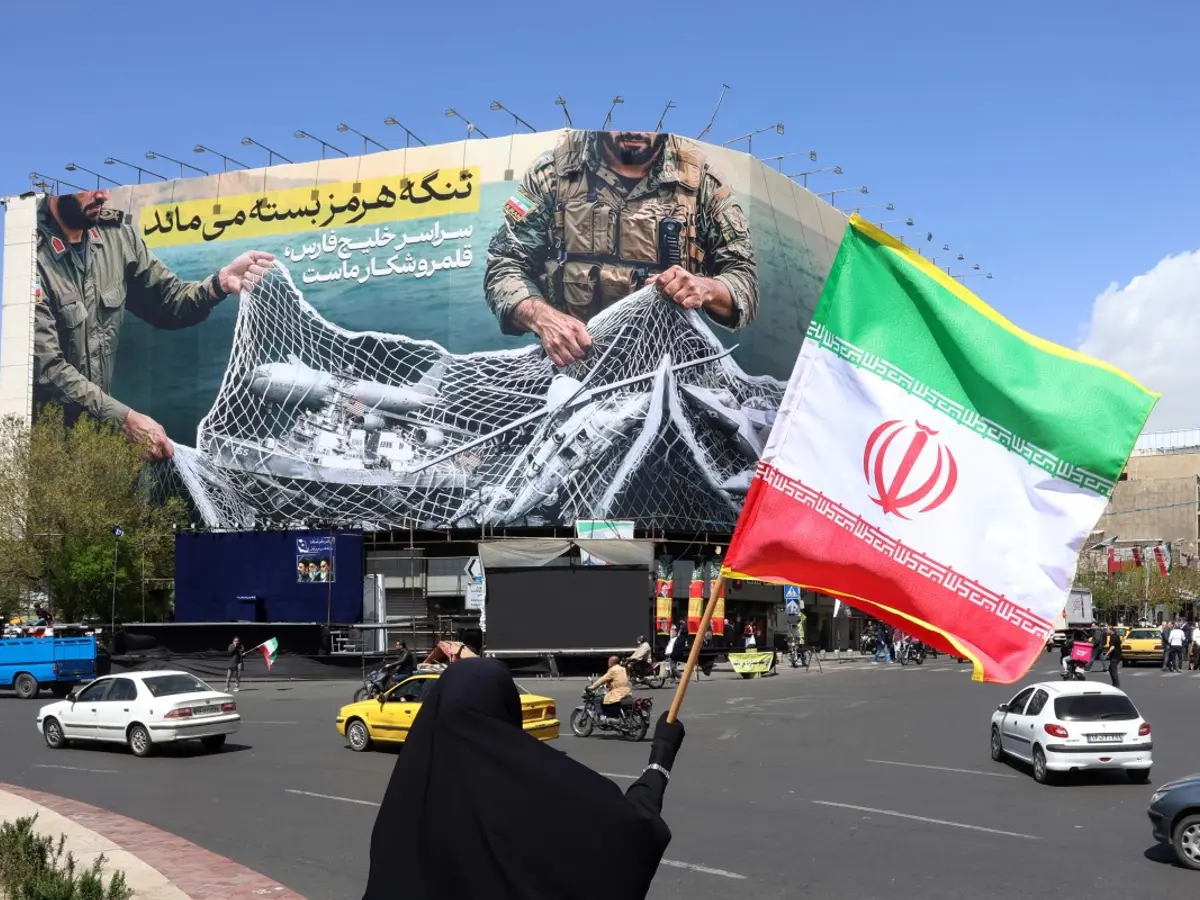
Iran Warns Gulf States Any US Aid Means War Participation
U.S.-Iran Exchange Escalates Across Middle East, Markets Slide
US Warns Middle East Travelers Amid Escalating Iran-Linked Tensions

Gold Futures Fall Seventh Day Amid US-Iran Tensions

Trump Claims Near-Total Hormuz Control Amid Iran Strikes
US and Iran Resume Strikes After Weeks of Calm