2 hrs ago
Sikkim Studies 16 High-Risk Glacial Lakes Amid GLOF Threat
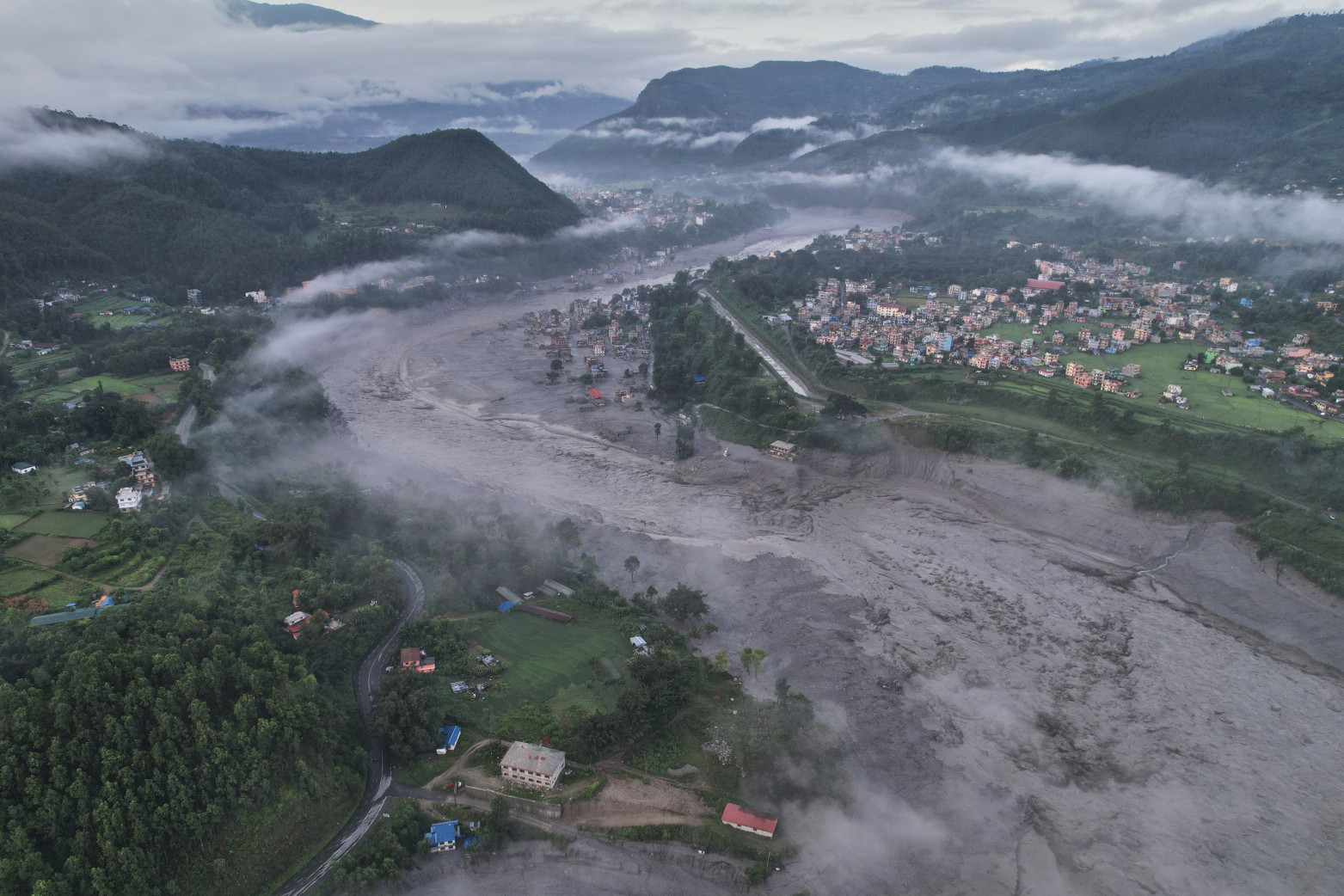
Sikkim is checking dangerous lakes high in the Himalayas.
These lakes can sometimes release huge amounts of water in a sudden flood called a GLOF.
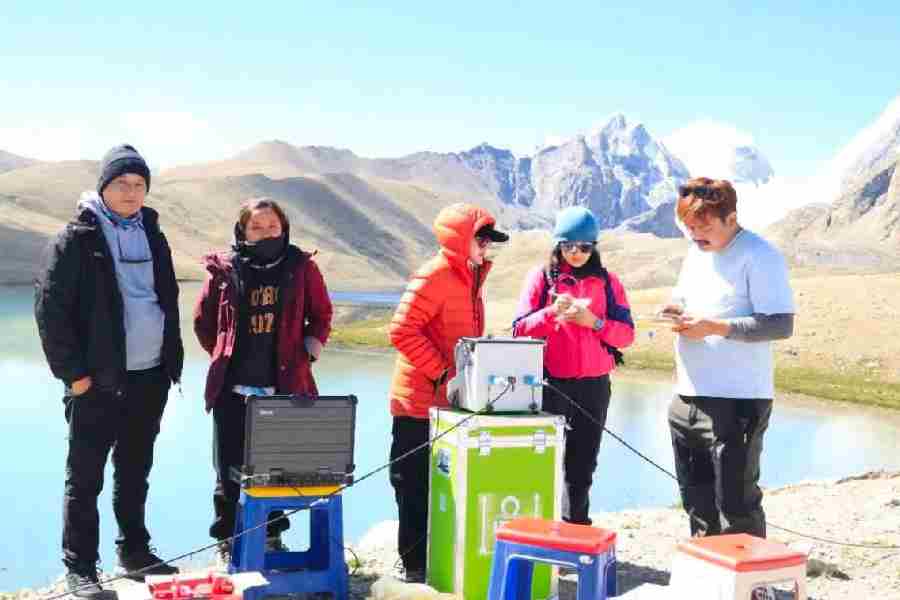
Officials studied 16 lakes to understand how much water they hold.
They also checked whether the natural walls holding the water are strong.
They looked at what could happen if an avalanche fell into a lake.
Shako Chho is especially concerning because it has no natural way for water to flow out.
Experts suggested carefully pumping out some water without disturbing the lake too much.
Officials are also planning protections near the Lhonak lakes.
Any work near sacred Gurudongmar Lake will involve local residents.

Sikkim’s Department of Science and Technology studied 16 glacial lakes classified as high risk.
The assessment examined lake water volume, natural-dam stability and avalanche vulnerability.
Sikkim has around 40 hazardous glacial lakes among 189 identified across the Indian Himalayan region.
Shako Chho was identified as especially vulnerable because it has no natural outlet.
Authorities are considering pumping, protective structures and consultations with local communities to reduce risks.
- Who
- Sikkim’s Department of Science and Technology, officials and experts, with local communities involved where necessary.
- What
- The state studied 16 high-risk glacial lakes and is developing measures to reduce the threat of Glacial Lake Outburst Floods.
- Where
- Across Sikkim, including lakes near Thangu Valley, the Lhonak lakes and Gurudongmar Lake.
- When
- The detailed assessment was reported on Tuesday; monitoring increased after the October 2023 GLOF.
- Why
- To assess hazards and prepare mitigation measures against sudden flooding from glacial lakes.
Key facts
- Lakes studied
- 16 glacial lakes identified as high risk in Sikkim
- Hazardous lakes in Sikkim
- Around 40 glacial lakes are considered hazardous
- Regional assessment
- The National Disaster Management Authority identified 189 highly vulnerable glacial lakes across the Indian Himalayan region
- Most vulnerable lake mentioned
- Shako Chho, located around 17,000 feet above sea level
- Key risk factors
- Water volume, natural-dam strength and vulnerability to avalanches
- Proposed Shako Chho measure
- Experts suggested lowering the water level through pumping, using non-invasive methods
- Proposed Lhonak measure
- A protective structure at Dolma Sampa could reduce water-flow intensity
- Community consultation
- Intervention at sacred Gurudongmar Lake will involve local residents
Quotes
A Sikkim government official
Government official discussing mitigation measures for Shako Chho
“Three major issues emerged as vital observations during the studies — the total volume of water in the lakes, the stability and strength of the natural dams holding the water, and their vulnerability in the event of an avalanche.”
 telegraphindia.com
“Shako Chho is particularly vulnerable because it has no natural outlet. Given its fragile ecological condition, experts have advised against disturbing the lake. One of the suggestions is to lower its water level through pumping.”
telegraphindia.com
Sources
Related news
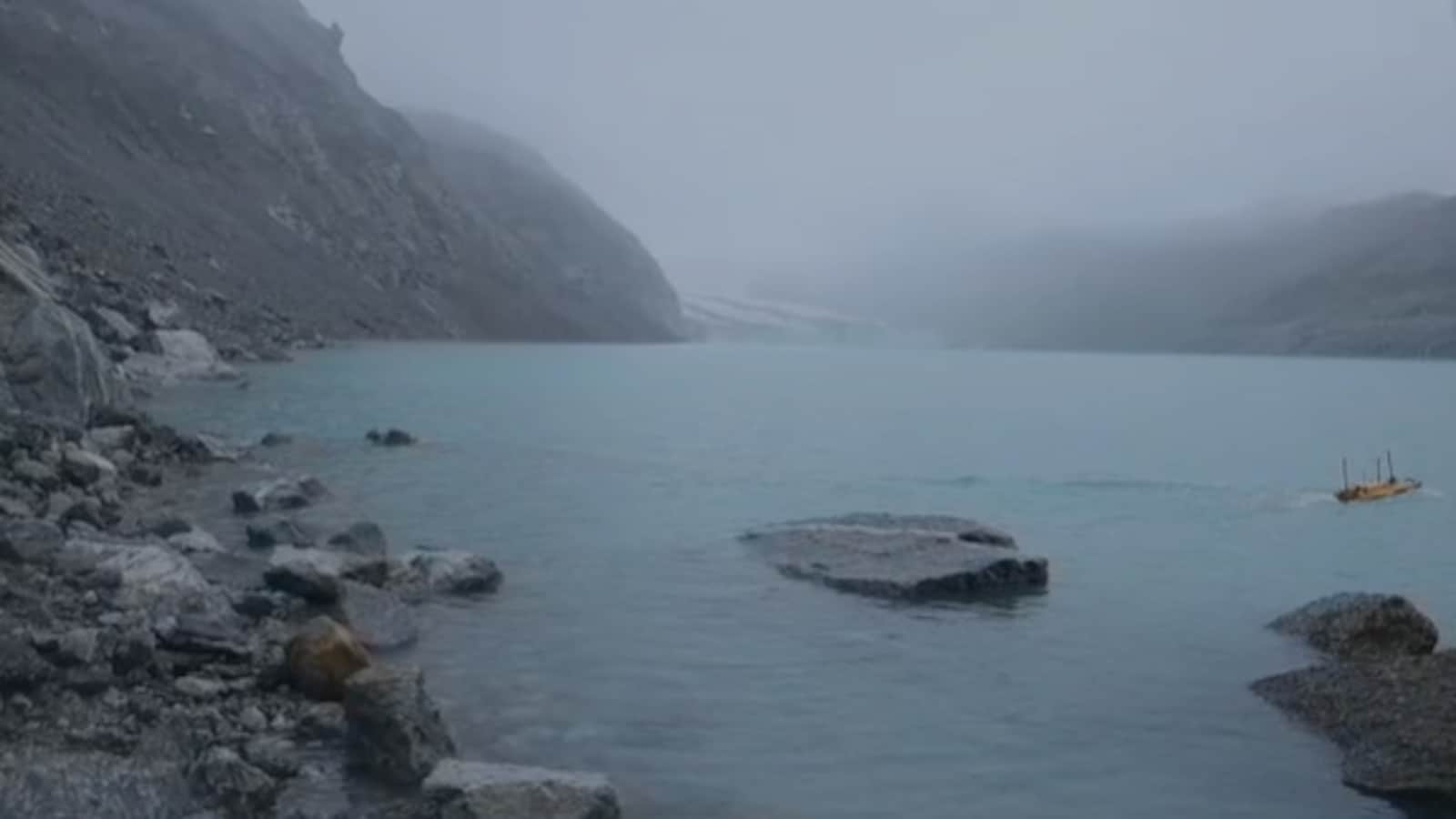
Sikkim Proposes Engineering Solutions to Mitigate Glacial Flood Risks
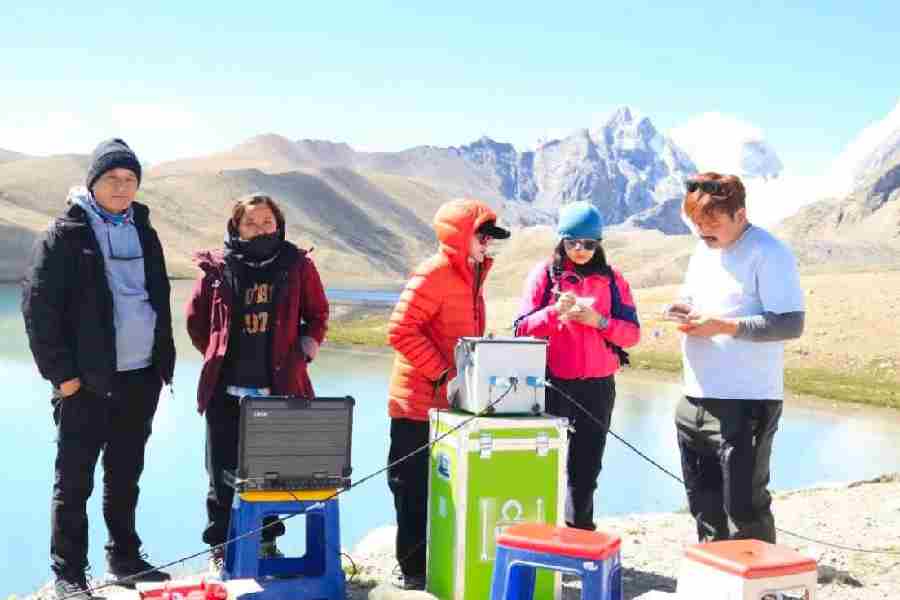
Nepal Flood Highlights Sikkim’s Hanging Glacier Threat and Preparedness

Sikkim completes scientific assessment of high-risk glacial lakes

Nepal’s Glacial Lakes Raise Alarms Along Vulnerable River Corridors

Delhi Contemporary Art Week Explores Ecology, Memory, and Rivers
Nepalis Turn to Missing-Person Wall After Deadly Flood
Nepal Floods Renew Debate Over Trump-Era Disaster Program Cuts

Nepal Flash Flood Death Toll Reaches 1,252 Amid Rescue
Australian Partner Urges Tech Firms to Share Nepal Data