9 hrs ago
UPSC Key Highlights Election, Textbooks, Deep Tech and Article 370
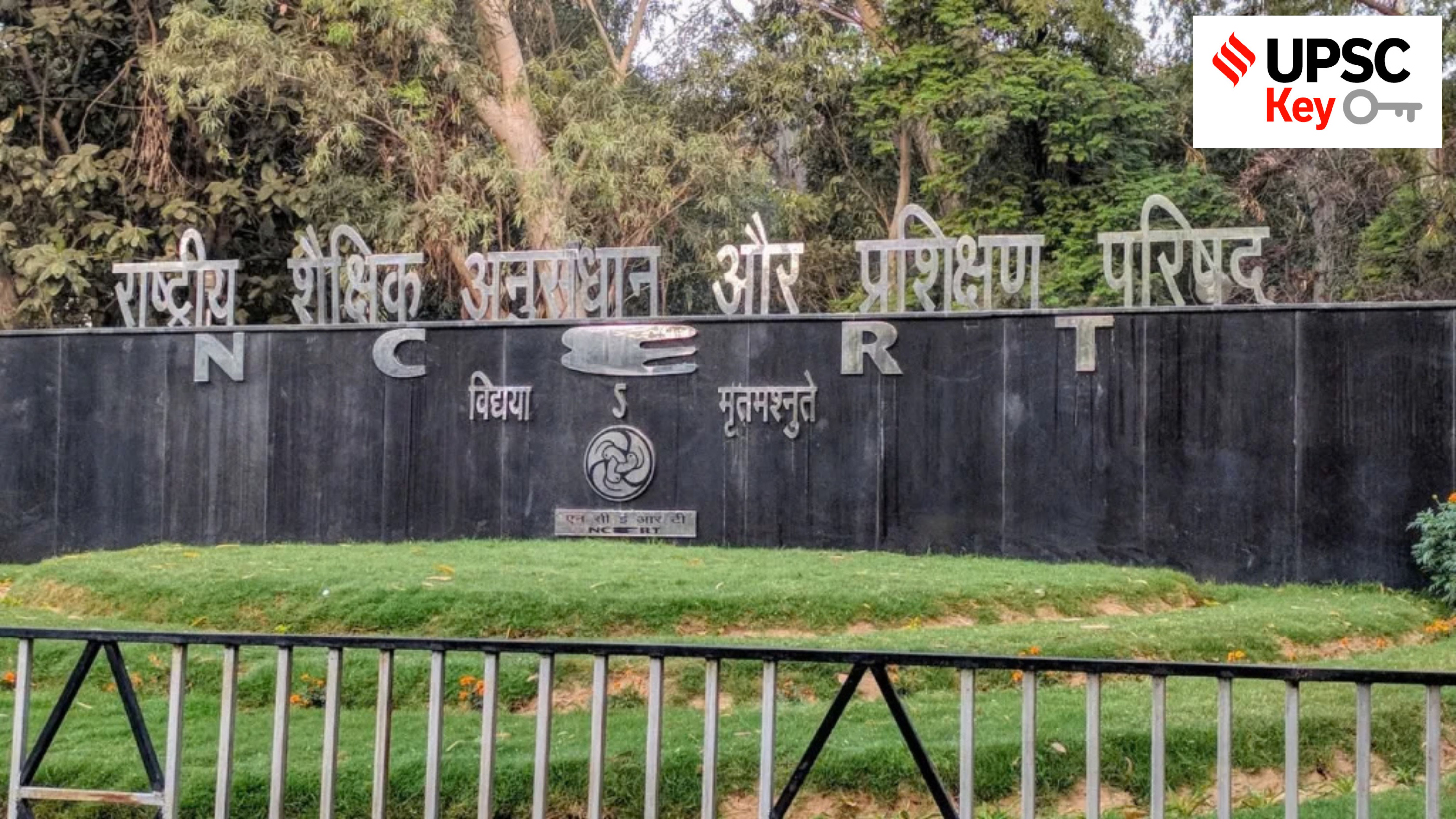
This UPSC news roundup covers several important issues in India and the world.
The Supreme Court will examine whether the Election Commission followed the Constitution while revising voter lists.
A new school history book describes much of medieval Indian history as a story of resistance and resilience.
A government fund meant to help deep-technology companies has slowed because more money has not yet been released.
The Supreme Court also cancelled a man’s preventive detention because an alleged confession in police custody was not considered enough by itself.
Uttarakhand is setting up equipment to warn people about dangerous glacial-lake floods.
Another article explains how memories of World War II still affect relations among the United States, China and Japan.
Delhi has announced measures to reduce winter pollution, but experts say cooperation across regions is needed.
Jammu and Kashmir’s Assembly debate has renewed discussion about statehood and the changes made to Article 370 in 2019.

The Supreme Court will hear a petition challenging the Election Commission’s functioning, nationwide electoral-roll revision, and the individual exercise of powers by the Chief Election Commissioner.
NCERT’s new Class 9 social science textbook presents medieval Indian history mainly through themes of resistance and resilience, replacing four earlier textbooks.
The Research, Development and Innovation Fund’s deep-technology funding process has paused after the Technology Development Board exhausted funds allocated for its first round.
The Supreme Court quashed Mulla Afroz’s preventive detention under the National Security Act, ruling that an alleged police-custody confession could not be the sole basis for detention.
Uttarakhand began installing its first real-time glacial-lake early-warning system at Vasundhara Tal, while articles also examined World War II’s Asian legacy, Delhi’s winter pollution plan, and Jammu and Kashmir’s post-Article 370 status.
- Who
- The Supreme Court, Election Commission of India, NCERT, Technology Development Board, Uttarakhand authorities, and Jammu and Kashmir’s political leadership are central to the issues covered.
- What
- The roundup examines electoral-roll revision, textbook changes, deep-tech funding, preventive detention, glacial-flood monitoring, World War II geopolitics, Delhi pollution controls, and Jammu and Kashmir’s constitutional status.
- Where
- The issues concern India, including New Delhi, Jammu and Kashmir, Uttar Pradesh, Uttarakhand and Delhi-NCR, as well as wider Asian and global geopolitics.
- When
- The developments were reported on September 30, 2026, with some actions and events dating to earlier years, including August 5, 2019, and November 2025.
- Why
- The developments raise questions about constitutional accountability, education policy, technological innovation, civil liberties, disaster preparedness, environmental governance and India’s strategic position.
Arguments and concerns
Official positions and counterarguments
Election Commission authority
Arguments and concerns
The petition argues that Article 324 vests electoral superintendence, direction and control in the Election Commission as a body, not solely in the Chief Election Commissioner. It also cites objections reportedly recorded by Election Commissioners Sukhbir Singh Sandhu and Vivek Joshi.
Official positions and counterarguments
The Election Commission said the communications from Sandhu and Joshi concerned an officer on deputation and did not relate to policy or information-technology matters.
Medieval history textbook
Arguments and concerns
Critics may argue that the new textbook’s emphasis on invasions, religious conflict and resistance gives insufficient attention to cooperation, composite culture and earlier historiographical approaches.
Official positions and counterarguments
NCERT presents the book as intended to build analytical ability, critical inquiry, intercultural understanding and civic responsibility, while describing Indian society as preserving its traditions amid external threats.
Preventive detention
Arguments and concerns
Mulla Afroz argued that the detention relied on an extra-judicial confession allegedly made to police after torture and threats, and that such a confession should not justify detention by itself.
Official positions and counterarguments
The prosecution said Afroz had instigated violence that disrupted public order across Sambhal and created fear, while the Allahabad High Court had earlier upheld the detention as a proper exercise of jurisdiction.
Deep-tech funding
Arguments and concerns
Companies and other applicants face delays because the Technology Development Board reportedly has not received funds for fresh offers, and selected second-round applicants had not received letters of intent.
Official positions and counterarguments
The Board announced that applications would close after September due to “administrative reasons,” while the government’s stated programme aims to provide long-term, low-cost support for strategically important technologies.
Delhi pollution strategy
Arguments and concerns
Editorial criticism holds that recurring measures have produced only partial results and that Delhi or NCR boundaries cannot address pollution from regional agricultural activity and multiple sources.
Official positions and counterarguments
The government argues that early restrictions, enforcement against vehicles, construction controls and coordination among agencies can prepare the city before winter smog intensifies.
Key facts
- Election petition
- The Supreme Court agreed to hear a petition challenging the functioning of Chief Election Commissioner Gyanesh Kumar and the nationwide Special Intensive Revision of electoral rolls.
- NCERT textbook
- The new Class 9 social science book presents the period from 1000 to 1700 AD as an era of “Resistance and Resilience” and replaces four older textbooks.
- Deep-tech fund
- The Research, Development and Innovation Fund promises Rs 1 lakh crore over six years; the Technology Development Board’s first round offered Rs 2,192 crore in soft loans to 22 companies.
- National Security Act case
- The Supreme Court quashed Mulla Afroz’s detention and imposed a cost of Rs 10 lakh on the Uttar Pradesh government.
- Vasundhara Tal system
- The glacial-lake warning system will monitor water levels, weather, snow, movement, vibrations and water flow, transmitting data by satellite.
- Uttarakhand glacial lakes
- The National Disaster Management Authority identified 13 high-risk glacial lakes in Uttarakhand, including five in the highest-risk Category A.
- Delhi pollution plan
- Measures include construction restrictions, vehicle checks, higher parking charges, staggered office timings and work-from-home directions.
- Jammu and Kashmir
- The Assembly debate on restoring statehood brought renewed attention to the constitutional changes that made Article 370 inoperative in 2019.
Quotes
Dinesh Saklani
NCERT chief and author of the textbook foreword
“Social Science learning at this stage is expected to cultivate analytical and discursive abilities, encourage critical inquiry, promote intercultural understanding, and enable learners to participate with confidence and responsibility in civic and social life.”
 indianexpress.com
“This initiative will prove to be a milestone in reducing the dangers of GLOFs in the coming years and in understanding the risks.”
indianexpress.com

N Gopalaswami Ayyangar
Member of the Constituent Assembly’s Drafting Committee who spoke during the Article 370 debate
“That particular State is not yet ripe for this kind of integration. It is the hope of everybody here that in due course even Jammu and Kashmir will become ripe for the same sort of integration as has taken place in the case of other States. At present it is not possible to achieve that integration.”
indianexpress.com
Sources
Related news
UPSC Key Covers SCO, Electoral Rolls, Economy, Defence and Climate

UPSC Key Covers NSA, Clean Air, Space and Dogri
UPSC Key Highlights Economy, Security, Judiciary, Weather and Global Affairs
UPSC Quiz Reviews Ten Current Affairs Topics for Prelims
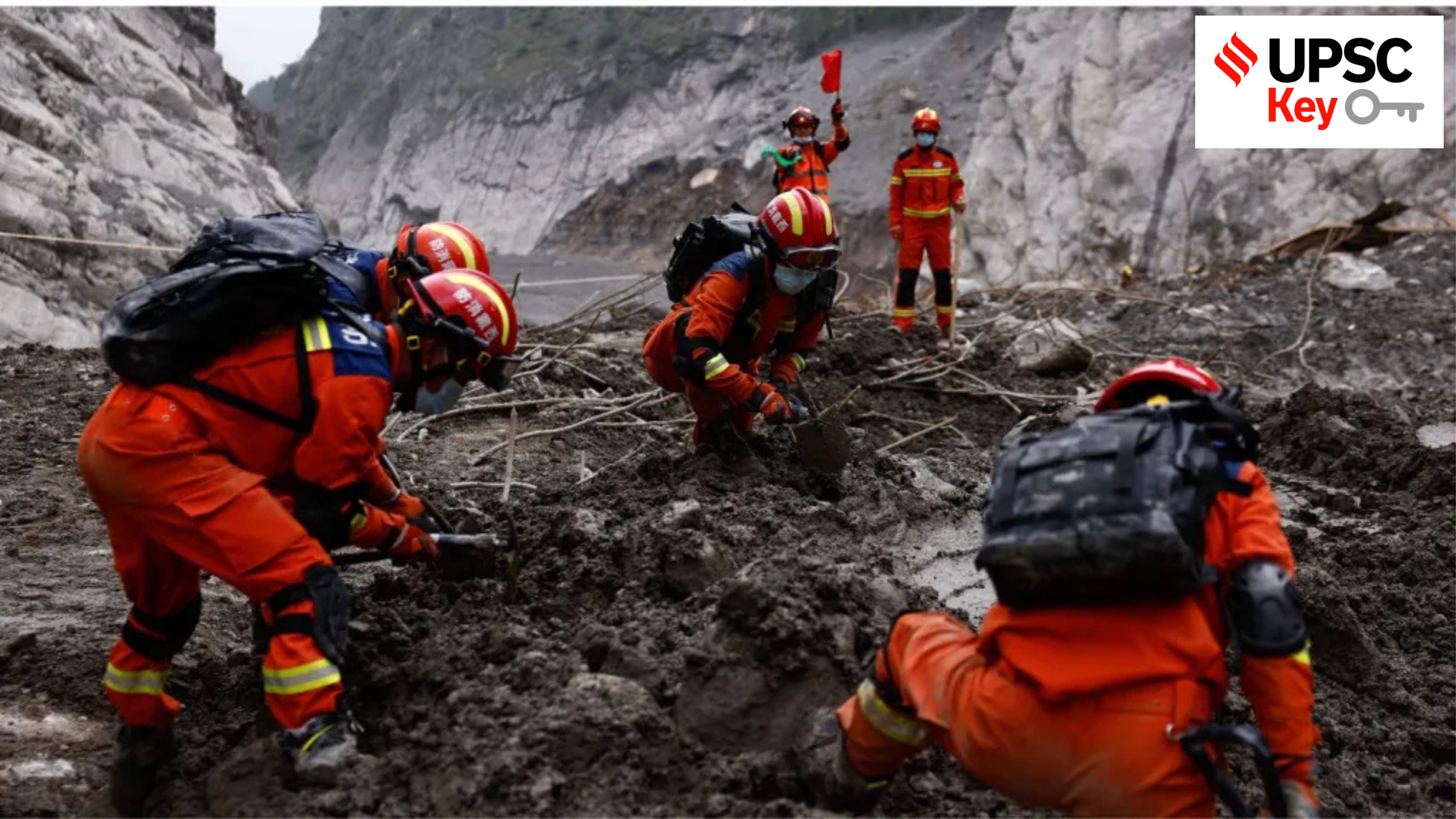
UPSC Key: Conflicts, Devolution, Social Security and Himalayan Hazards
UPSC Key Covers UPI, Inflation, Science, UCC and Hindi

Congress Demands SIR Suspension and CEC Gyanesh Kumar’s Resignation
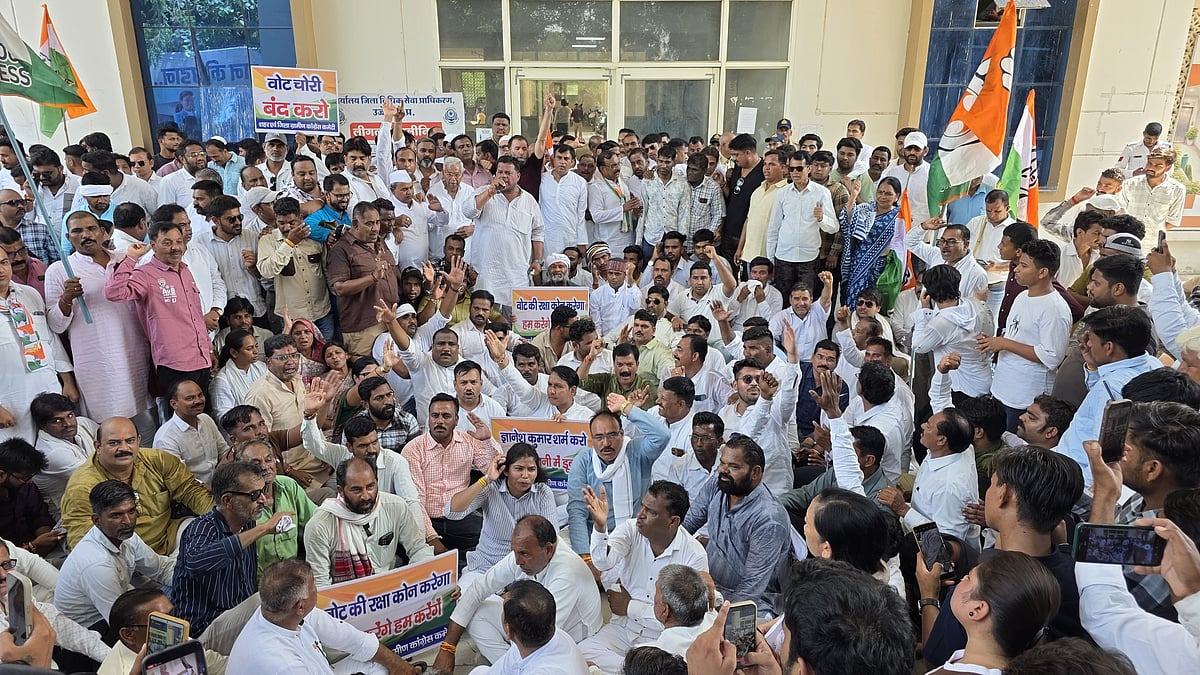
Congress Workers Storm Ujjain Election Office, Burn CEC Effigy
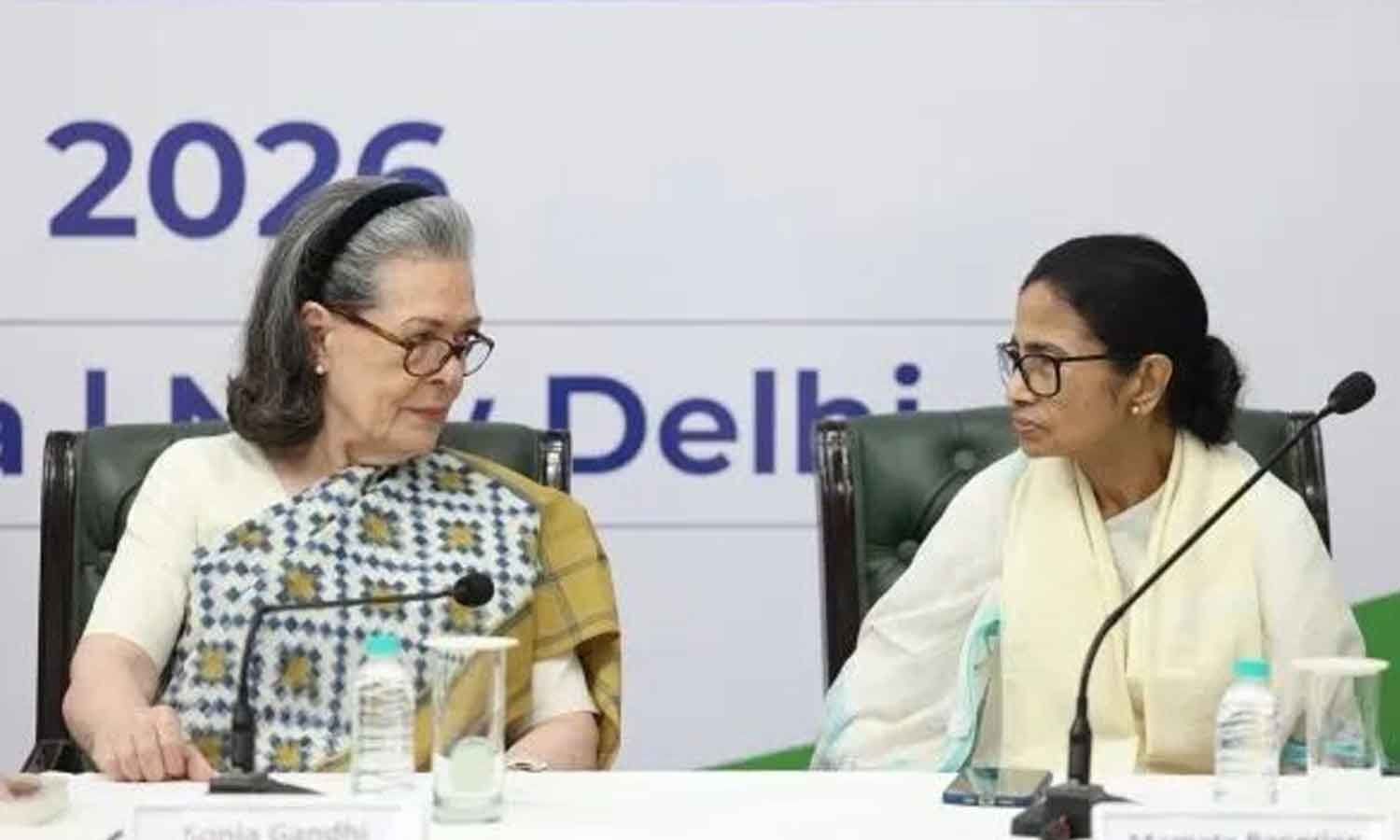
INDIA Bloc Announces Rallies Demanding Electoral Transparency
I.N.D.I.A. Plans Nationwide Protests Over Alleged Vote Theft

Congress, CPM Student Wings Clash During Kerala Protest