1 hr ago
UPSC Quiz Reviews Ten Current Affairs Topics for Prelims
This article is a practice quiz for people preparing for the UPSC examination.
It contains ten questions based on important recent topics.
The questions explain how economists measure real growth and how countries cooperate against terrorism.
They also teach where different kinds of satellites travel around Earth.
One question discusses dangerous glacial lakes in Sikkim that could cause floods.
Other questions cover an important Indian philosopher and a special power of the Supreme Court.
The quiz explains that NASA’s Roman telescope will study dark matter, dark energy and planets outside our solar system.
It also introduces India’s three-stage nuclear programme and a map designed to show Africa’s size more accurately.
The final question looks at the history and archaeological remains of the Saptakoteshwar temple in Goa.

The quiz covers economics, international relations, space, geography, history, polity and science topics for UPSC Prelims 2027.
It explains that double deflation separately adjusts output and input values using their respective price changes.
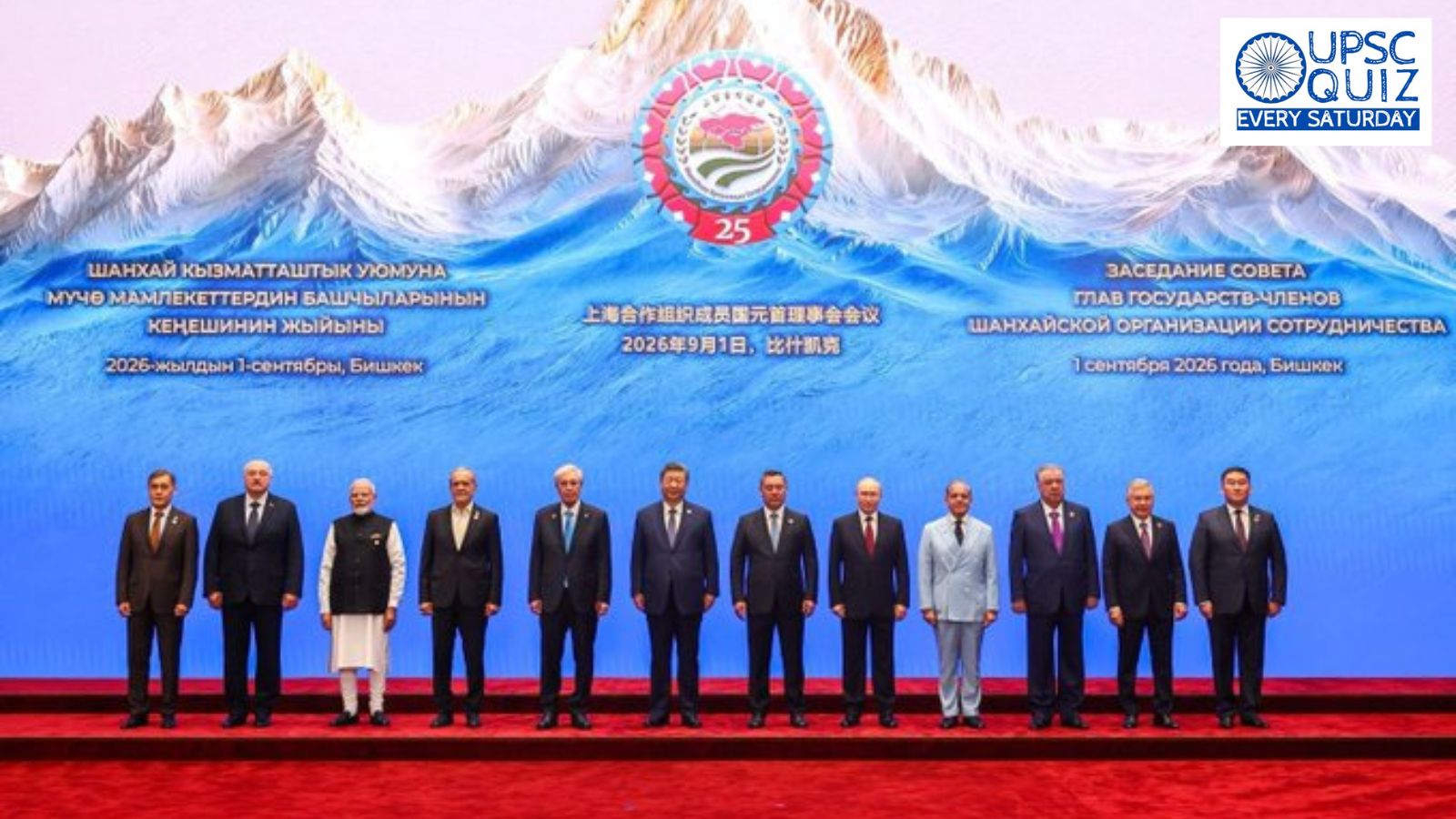
The answer key identifies the Bishkek Declaration as an SCO initiative and places navigation satellites mainly in MEO.
The quiz discusses high-risk glacial lakes in Sikkim, Article 142, Sarvepalli Radhakrishnan and India’s nuclear programme.
It also covers the Nancy Grace Roman Space Telescope, the Equal Earth projection and the history of Goa’s Saptakoteshwar temple.
- Who
- The quiz is aimed at UPSC Civil Services Examination aspirants, especially those preparing for Prelims 2027.
- What
- The Indian Express UPSC Weekly Current Affairs Quiz presents ten questions with explanations and answer keys.
- Where
- When
- The quiz covers the week of August 30 to September 5; the article connects it with UPSC Prelims 2027 preparation.
- Why
- It is intended to build current-affairs knowledge, conceptual clarity and examination readiness.
Key facts
- Quiz scope
- Ten current-affairs questions with detailed explanations for competitive-examination preparation.
- GDP methodology
- The article identifies double deflation as the method that separately adjusts output and inputs for their respective inflation.
- Bishkek Declaration
- It was adopted at a Shanghai Cooperation Organisation summit and included commitments to combat terrorism and cross-border movement of terrorists.
- Glacial-lake risk
- Sikkim identified 40 high-risk glacial lakes, including 16 in the highest-risk Category A level.
- Roman telescope
- NASA’s Nancy Grace Roman Space Telescope is intended to study dark matter, dark energy and exoplanets.
- Nuclear programme
- India’s three-stage programme uses natural uranium in PHWRs, plutonium in FBRs and eventually thorium-derived U-233.
- Answer key
- 1-d, 2-b, 3-a, 4-a, 5-d, 6-a, 7-c, 8-a, 9-b and 10-a.
Quotes

Shanghai Cooperation Organisation member states
The member states whose joint declaration was adopted at the SCO summit in Bishkek.
“Member States, reaffirming their firm commitment to combating terrorism, separatism and extremism, emphasise the inadmissibility of attempts to exploit terrorist, separatist, and extremist groups for selfish purposes. They recognize the leading role of sovereign states and their competent authorities in countering terrorist and extremist threats.”
 indianexpress.com

Pramod Sawant
Goa’s chief minister, commenting on archaeological discoveries at the Saptakoteshwar temple site.
“Relics and remains dating between the 14th and 16th centuries have been found along the old pathway between Koti Tirth and Madhavachi Talli, indicating the existence of an ancient temple complex and sacred corridor.”
indianexpress.com
Sources
Related news
UPSC Key Highlights India’s Diplomacy, Economy, Climate and Science
UPSC Key: Space, AI, Article 142 and Economic Affairs
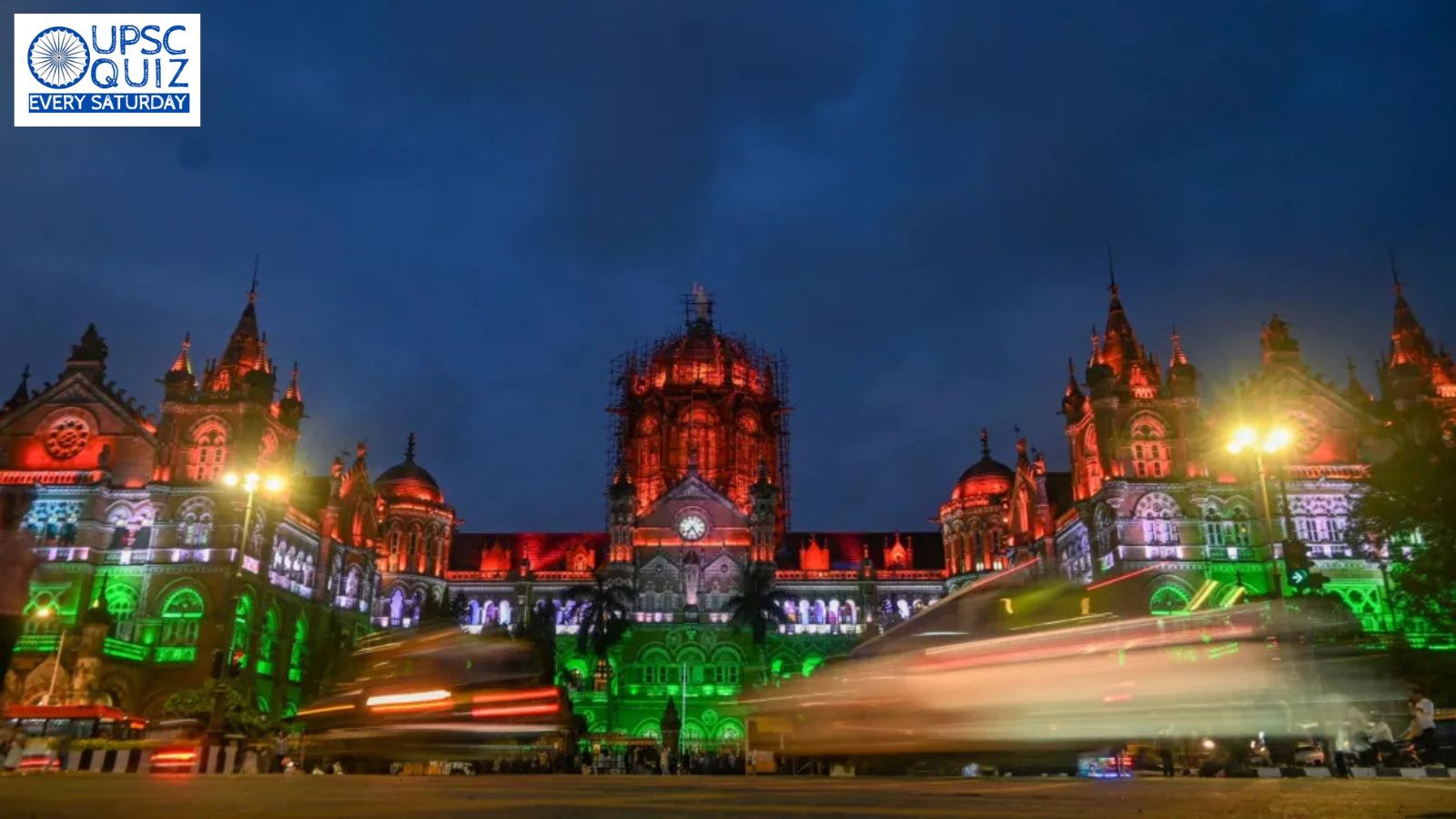
UPSC Weekly Current Affairs Quiz Tests 2027 Aspirants' Knowledge
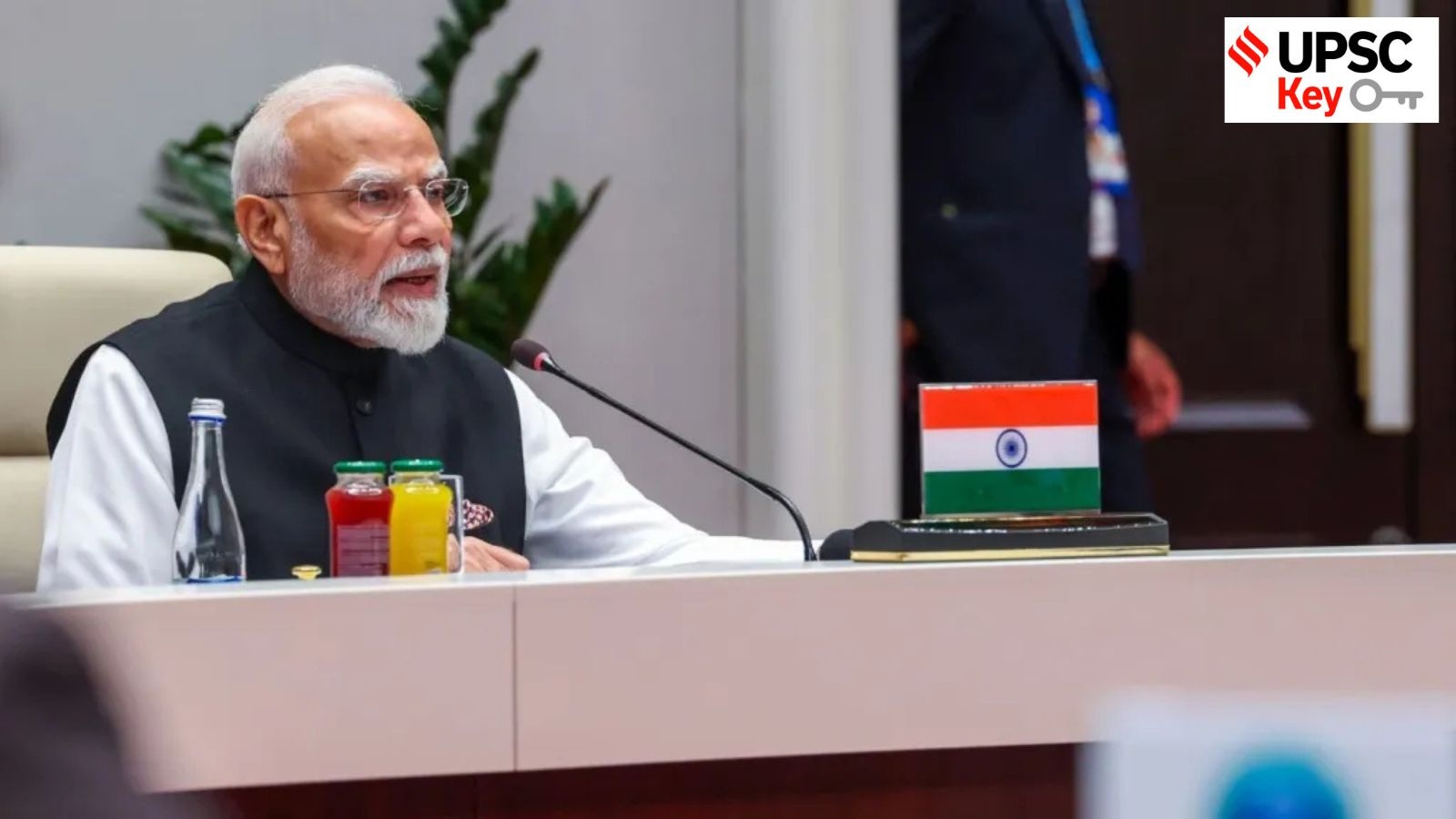
UPSC Key Covers SCO, Electoral Rolls, Economy, Defence and Climate
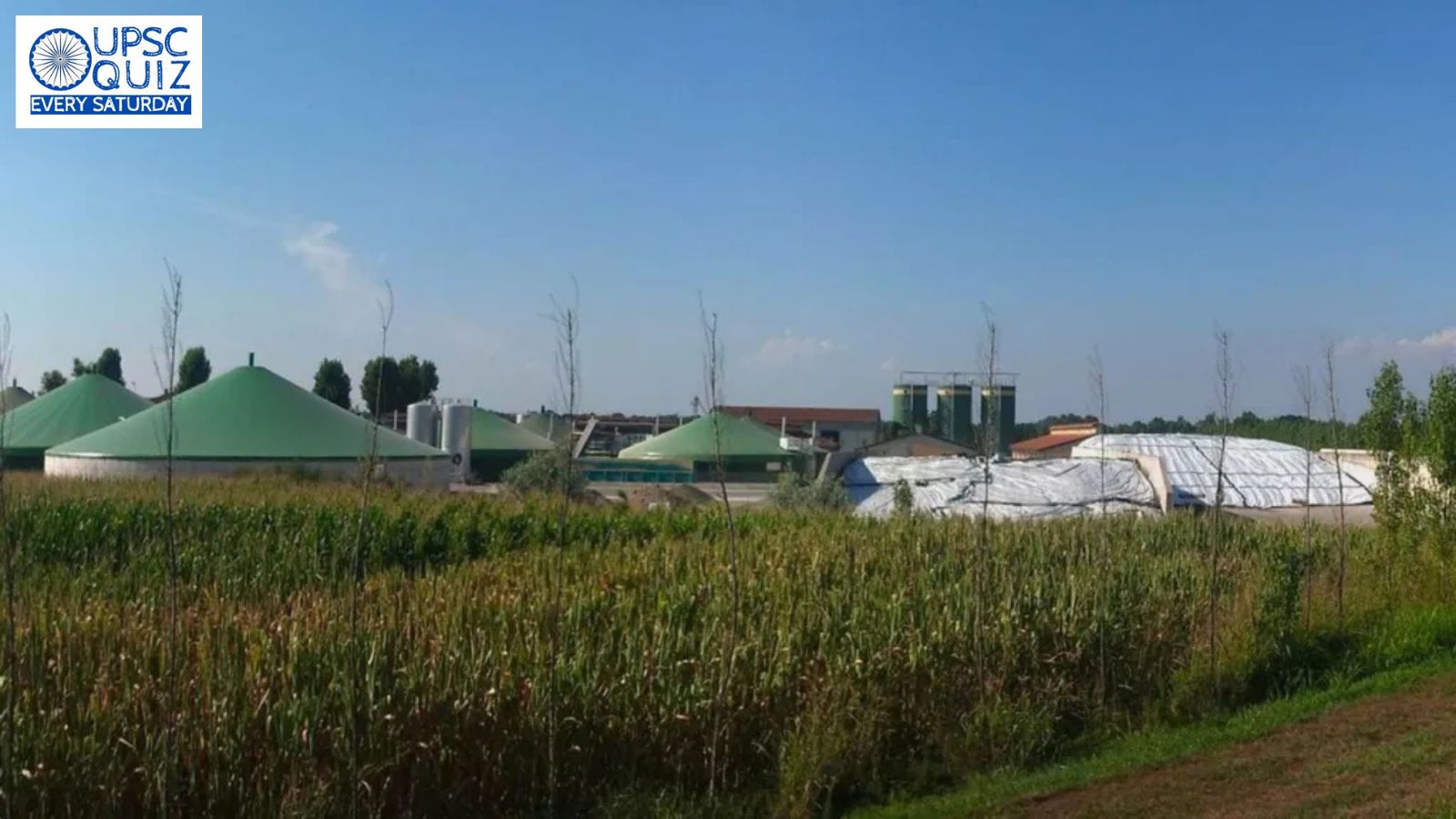
UPSC Weekly Quiz: 10 Current Affairs Questions for Prelims 2027
West Bengal launches Vivekananda scholarship for meritorious students

Delhi CM Urges Teachers to Build Responsible Citizens Through Values

Why India Celebrates Teachers’ Day on September 5

Karnataka Teachers Can Use ‘Tr’ Prefix, Says CM Shivakumar