1 hr ago
Atlantic Cold Blob Raises Concerns About Slowing Ocean Circulation
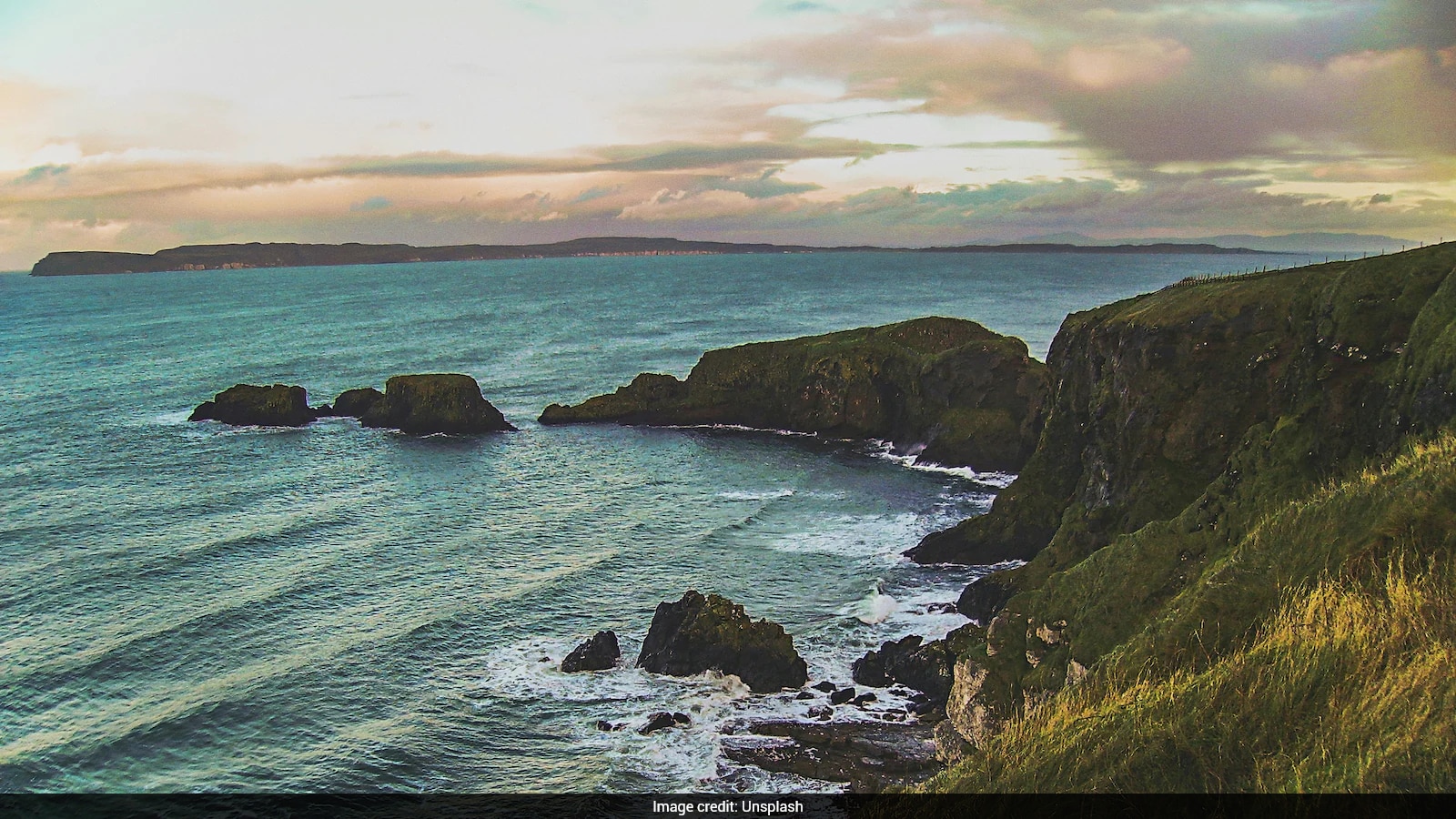
The ocean moves warm water from the tropics toward the North Atlantic.
There, the water cools and sinks, helping keep a large system of currents moving.
A cold patch south of Greenland has cooled while most oceans have warmed.
The article says this may be a sign that the current system is slowing down.
Melting ice and rain add fresh water, which does not sink as easily as salty water.
If the currents slow a lot, weather could change in many places.
Europe might have colder winters, and some tropical areas could get less rain.
India’s monsoon could become less predictable, which could make growing food and managing water harder.
Scientists quoted in the article say it is important to prepare.

A patch of the North Atlantic south of Greenland has cooled by about 1°C over the past century while the rest of the planet’s oceans have warmed.
The article links the cold patch to a possible weakening of the Atlantic Meridional Overturning Circulation (AMOC), which carries warm water north and returns colder water south.
Melting Greenland glaciers and increased rainfall add fresh water that may make it harder for water to sink and keep the circulation moving.
Scientists warn that a major slowdown could affect European winters, tropical rainfall patterns, and sea levels along parts of North America and Western Europe.
The article says a weaker AMOC could also disrupt India’s summer monsoon, bringing longer dry spells and episodes of intense rainfall that could threaten farming and water supplies.
- Who
- Oceanographers and climate researchers, as well as climate officials and analysts quoted in the article.
- What
- A cold patch in the North Atlantic is presented as a possible sign of a weakening Atlantic Meridional Overturning Circulation, with potential effects on weather and sea levels.
- Where
- The North Atlantic south of Greenland, with possible impacts discussed for Europe, tropical regions, India, and parts of North America.
- When
- The cold patch is reported to have cooled by about 1°C over the past century; atmospheric and satellite measurements over recent decades are also cited.
- Why
- The article says melting Greenland glaciers and increased rainfall add fresh water that may hinder the sinking of water that helps drive the circulation.
Key facts
- Location of cold patch
- North Atlantic Ocean, south of Greenland
- Reported cooling
- About 1°C over the past century
- Ocean circulation system
- Atlantic Meridional Overturning Circulation (AMOC)
- Proposed contributors
- Fresh water from melting Greenland glaciers and increased atmospheric rainfall
- Potential European effects
- Harsher winters and rainfall that could threaten agriculture
- Potential Indian effects
- Erratic summer monsoons, prolonged dry spells, and intense rainfall
- Sea-level concern
- The article says water could accumulate along the East Coast of North America and parts of Western Europe, increasing local sea-level rise.
Quotes
Johann Pall Johannsson
Iceland's climate minister
“Because, by the time the consequences become undeniable, it may already be too late to prevent them from happening.”
 NDTV
NDTV
“It is irresponsible to wait for absolute certainty before preparing.”
NDTV
Laurie Laybourn
A Chatham House fellow and director of the Strategic Climate Risks Initiative
“Bits of the AMOC could begin collapsing on the journey to the full collapse. It's a process that would have disruption along the way.”
NDTV
Sources
Related news
Rain Cools Kolkata After Hot, Humid Spell; Cyclone Alerts Rejected

Deep Depression Nears Andhra Pradesh, Bringing Heavy Rainfall Risk
London Residents Urged to Prepare for Possible Severe Winter Weather
Bay of Bengal System May Strengthen, Scientists Monitor Track
‘Arnab’ Deep Depression Brings Heavy Rain, But No Cyclone
Monsoon Makes Final Stand Over North India Before Southward Shift
UN Report Says 1.5°C Breach Near, Return Still Possible