1 hr ago
‘Arnab’ Deep Depression Brings Heavy Rain, But No Cyclone

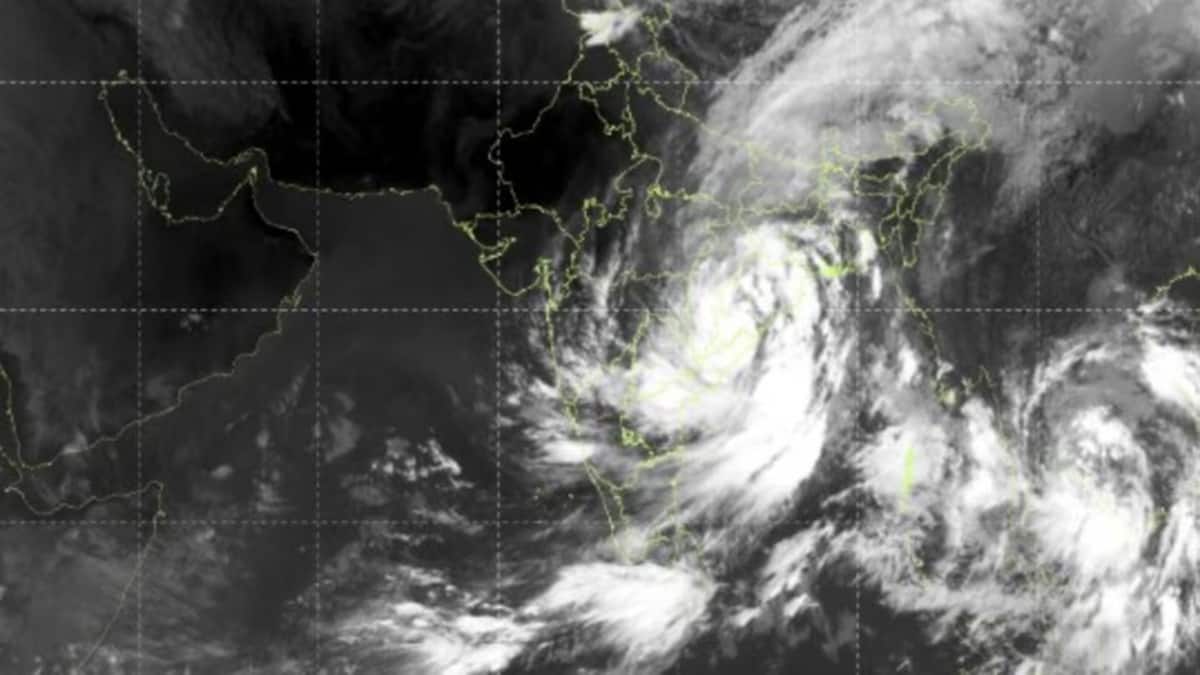
People have been calling the storm “Cyclone Arnab,” but weather experts say it is not officially a cyclone.
They classify it as a deep depression, which is a weaker kind of spinning storm.
The storm had winds of about 55–65 kmph, with stronger gusts.
A cyclone needs stronger sustained winds under the classification described by the India Meteorological Department.
The system crossed the coast near Kalingapatnam in Andhra Pradesh.
It caused heavy rain and strong winds in Andhra Pradesh, Odisha and West Bengal.
Schools and childcare centres were closed in some affected areas.
Flooding, waterlogging and traffic problems were expected.
The name “Arnab” came from a prepared list of possible storm names and was not officially assigned to this system.

The weather system widely called “Cyclone Arnab” is officially classified by the India Meteorological Department as a deep depression.
It crossed the coast near southwest of Kalingapatnam between 11 p.m. on September 23 and 1 a.m. on September 24.
The system brought heavy rain, thunderstorms and gusty winds to Andhra Pradesh, Odisha and parts of West Bengal.
Its maximum sustained winds were reported at 55–65 kmph, with gusts reaching 75 kmph, below the article’s cyclone classification threshold.
“Arnab” is the next name on a regional storm list, but it will be used only if a future system officially becomes a cyclone.
- Who
- The India Meteorological Department monitored and classified the system; residents, authorities and fishermen in affected coastal areas were warned.
- What
- A deep depression caused heavy rain, thunderstorms and gusty winds but was not officially classified as a cyclone.
- Where
- The system affected the Bay of Bengal, Andhra Pradesh, Odisha and West Bengal, including areas around Kolkata.
- When
- It crossed the coast between 11 p.m. on September 23 and 1 a.m. on September 24; warnings continued through September 25, with clearer weather expected around September 26.
- Why
- The storm was classified as a deep depression because its sustained wind speeds did not meet the stated threshold for a cyclonic storm.
Official Meteorological Classification
Public and Media Usage
What to call the weather system
Official Meteorological Classification
The India Meteorological Department says the system is a deep depression because its sustained winds do not meet the cyclone threshold.
Public and Media Usage
Social media, newspapers and television channels widely referred to the system as “Cyclone Arnab.”
Meaning of the name Arnab
Official Meteorological Classification
The name remains available for the first future storm that officially qualifies as a cyclone.
Public and Media Usage
The name’s circulation in headlines and social media made many people believe that a cyclone named Arnab had already formed.
Level of risk
Official Meteorological Classification
Officials did not classify the system as a cyclone but issued alerts, prepared shelters and warned people about heavy rain, flooding and strong winds.
Public and Media Usage
The storm still posed significant risks, with heavy rainfall, school closures, waterlogging and possible travel disruption across several regions.
Key facts
- Official classification
- Deep depression, according to the India Meteorological Department
- Reported wind speed
- Maximum sustained winds of 55–65 kmph, gusting to 75 kmph
- Landfall
- Near southwest of Kalingapatnam on the Andhra Pradesh coast
- Affected regions
- Andhra Pradesh, Odisha and West Bengal
- Main impacts
- Heavy rain, thunderstorms, gusty winds, waterlogging and possible traffic disruption
- Warnings
- Fishermen were advised not to enter specified coastal waters through September 25
- Storm name
- “Arnab” was the next available name on a regional list, but was not officially assigned to this system
Quotes

Anu Garg
Odisha Chief Secretary
“We have been informed by the IMD that the system could intensify into a deep depression, but not a cyclone.”
 firstpost.com
Sources
Related news

Deep Depression Nears Andhra-Odisha Coast, Red Alerts Issued

Bay of Bengal Deep Depression Nears Andhra-Odisha Coast

Bay of Bengal Depression Heads Toward Andhra-Odisha Coast

How Cyclones Get Named as Bay System Nears India

Bay Depression To Intensify, Bringing Rain Across South Bengal

Deep Depression Nears Andhra Pradesh, Bringing Heavy Rainfall Risk

Adani Announces Over Rs 1 Lakh Crore Bengal Investment

Adani Group Announces ₹1 Lakh Crore Bengal Investment Plan

Bonny Sengupta and Darshana Banik Explore Layered Lives

Gold Rates Fall Across Five Indian Cities on September 24