1 hr ago
Vietnam Garment Makers Keep Exporting to US After Esquel Sanctions
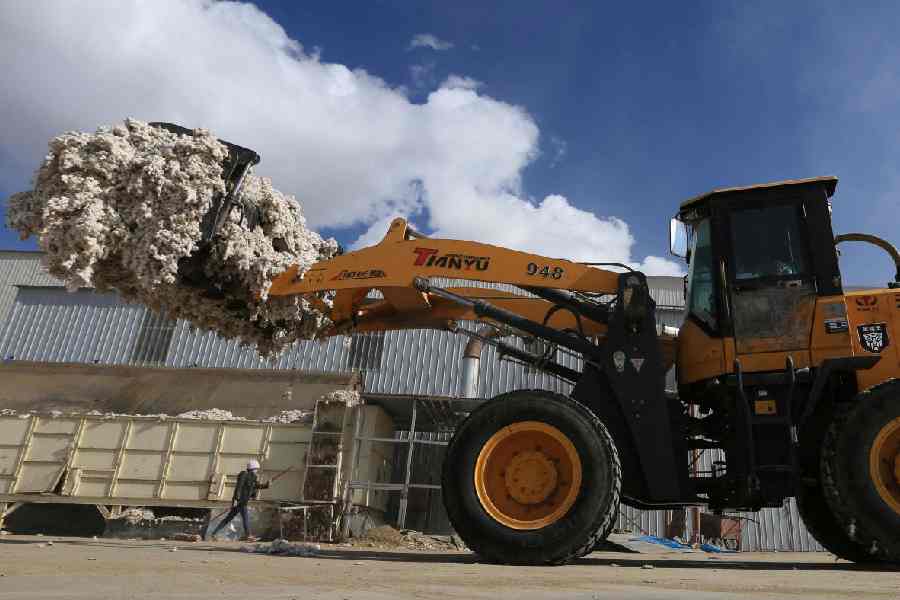
Three clothing factories in Vietnam kept selling clothes to the United States after Esquel Group was placed on a US sanctions list.
The factories used to include Esquel in their names and had other business connections with the company.
They sent at least $5 million worth of cotton products to the US.
Some of the clothes were made for Muji and Rodd & Gunn.
Those brands said they did not know about the factories’ connections to Esquel.
Esquel has been accused by the United States of links to forced-labor programs in Xinjiang, but the company denies the allegations.
The news report could not prove that the Vietnamese factories’ products used cotton from Xinjiang or from Esquel.
US customs officials enforce the rules, but they do not inspect every shipment.

Three Vietnamese garment makers continued exporting cotton goods to the US after Esquel Group was sanctioned in November 2024.
The manufacturers previously used variations of the Esquel Garment Manufacturing Vietnam name and shared ownership links with Esquel.
Together, the firms exported at least $5 million in cotton goods to the US after the sanctions.
Shipments included clothing made for Muji and Rodd & Gunn, which said they were unaware of the suppliers’ Esquel connections.
Reuters could not determine whether the exports contained Xinjiang cotton, while experts warned that cotton is commonly blended across sources.
- Who
- An Loi Apparel, Tessellation Binh Duong and Tessellation Hoa Binh; Esquel Group; US Customs and Border Protection; and brands including Muji and Rodd & Gunn.
- What
- Vietnamese garment makers linked to Esquel continued exporting cotton goods to the United States after Esquel was sanctioned over alleged forced-labor links.
- Where
- The garments were made in Vietnam and shipped to the United States; the alleged forced-labor concerns involve Xinjiang, China.
- When
- The exports occurred after November 2024; customs data cited in the report covered November 2024 through June 2026.
- Why
- The factories continued commercial relationships with Esquel and supplied US-bound products, while Reuters examined whether the links raised enforcement concerns under US forced-labor laws.
Concern Over Supply-Chain Links
Denials and Compliance Assurances
Whether the Vietnamese factories remain within Esquel’s ecosystem
Concern Over Supply-Chain Links
Former Assistant US Trade Representative Joshua Kagan said the shared ownership, former branding and management links were likely sufficient for customs authorities to view the manufacturers as operating within Esquel’s ecosystem.
Denials and Compliance Assurances
Esquel, the Vietnamese manufacturers and Edgar Tung did not respond to Reuters’ requests for comment about their relationship and exports.
Whether the goods involved Xinjiang or forced labor
Concern Over Supply-Chain Links
US authorities and lawmakers have raised concerns about Xinjiang-linked forced labor, and experts said cotton from different sources may be blended, making its origin difficult to establish.
Denials and Compliance Assurances
Reuters could not establish that the Vietnamese exports contained Xinjiang or Esquel-produced cotton. Esquel denies the forced-labor allegations, while Muji and Rodd & Gunn said their suppliers had anti-forced-labor requirements or supply-chain documentation.
Strength of US enforcement
Concern Over Supply-Chain Links
Democratic lawmakers and a forced-labor law specialist criticized the low level of inspections and said enforcement had dropped despite no evidence that prohibited shipments had slowed.
Denials and Compliance Assurances
US Customs and Border Protection said it prioritizes forced-labor enforcement alongside tariff collection and encourages companies to remove forced-labor suppliers or require changes in their practices.
Key facts
- Sanctioned company
- Esquel Group was listed by the United States in November 2024 over alleged links to forced-labor programs in Xinjiang; Esquel denies the allegations.
- Vietnamese manufacturers
- An Loi Apparel, Tessellation Binh Duong and Tessellation Hoa Binh.
- US exports
- The three manufacturers exported at least $5 million in cotton goods to the United States after the sanctions.
- Esquel cotton shipments
- Esquel sent about 70% of the $34 million in cotton it exported from China between November 2024 and June 2026 to the three manufacturers.
- Customer brands
- The shipments included clothing made for Muji and Rodd & Gunn.
- US inspection figures
- Between November 2024 and June 2026, CBP detained about $2.6 million of the $28 billion in apparel shipped from Vietnam to the United States for inspection under the Uyghur forced-labor law.
Quotes
US lawmakers
Democratic lawmakers who criticized Customs and Border Protection’s enforcement of the Uyghur forced-labor law
“inspections have “dropped drastically in recent months despite no evidence that shipments of goods prohibited by the law have slowed.””
 telegraphindia.com
Sources
Related news
US China Cotton Curbs Push Indian Yarn Prices Higher
Tiruppur Adapts as New US Tariff Threat Revives
Apparel Exporters Seek Cotton Yarn Export Controls Amid Surge
Report Says Inspur Routed U.S. AI Technology Through Southeast Asia

Vietnam Reaffirms Readiness for Constructive US Trade Talks
US sanctions bill threatens India's textile exports, CITI urges talks

Stilwell Road Revival Faces Trade Promise and Security Concerns

Xiaomi 18 Pro May Be India’s Only Lineup Arrival
Infosys Derating Reflects Reverse AI Trade, Note Says

Indian Companies Urged to Advance Mid-Career and Senior Women