1 hr ago
India’s Starlink Dispute Raises Questions About Sovereignty and Control
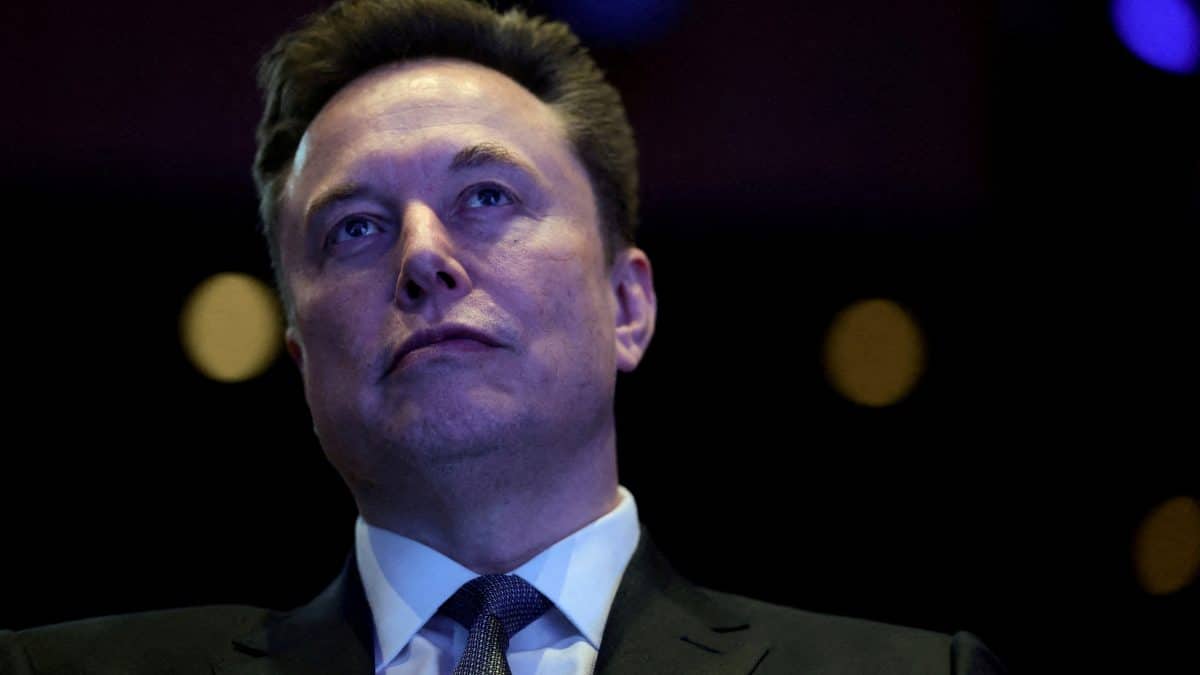
Starlink is a satellite internet service owned by Elon Musk’s company.
Musk says powerful business interests in India are slowing its launch there.
India says companies must follow its rules and that it does not allow monopolies.
The article says some security and radio-frequency checks still need to be completed.
Satellite internet could help people in remote places and support emergency or government services.
But if a country depends on one private company, that company might be able to limit the service.
The article points to Starlink’s use in Ukraine as an example of why this matters.
It argues that India should allow useful technology only with safeguards and backup plans.
The goal is to get better connections while keeping important decisions in India’s hands.

Elon Musk accused Indian business interests on X of delaying Starlink, but the article says he provided no evidence.
India’s communications minister said the country does not allow monopolies; Starlink had authorisations, while security and spectrum procedures remained outstanding.
The article argues that India can benefit from satellite connectivity while retaining oversight of networks important to security and government operations.
It cites Starlink’s role in Ukraine and a Reuters report that coverage was disabled in parts of the country during a 2022 counteroffensive.
The author says India should require safeguards and continuity plans for critical networks rather than exclude Starlink or foreign technology outright.
- Who
- Elon Musk and Starlink, and the Indian government, including Communications Minister Jyotiraditya Scindia.
- What
- A dispute over Starlink’s planned commercial entry into India and the country’s regulatory and security requirements.
- Where
- India; the article also discusses Starlink’s role in Ukraine and its launch in Bangladesh.
- When
- Musk made the cited allegations on October 7; Scindia responded on October 9. The article does not specify the year for those dates.
- Why
- India’s rules and outstanding security and spectrum procedures affect Starlink’s launch; the author argues oversight is needed to protect strategic autonomy and critical communications.
Regulatory oversight and strategic autonomy
Innovation and market access
India’s Starlink entry
Regulatory oversight and strategic autonomy
The author argues India should complete security and spectrum reviews and retain oversight of communications networks that could become strategically important.
Innovation and market access
Musk presents the delay as obstruction of competition and innovation, and has used X to challenge Indian business interests he says are blocking Starlink.
Private control of critical communications
Regulatory oversight and strategic autonomy
The article argues that Ukraine illustrates the risks of relying on a private provider whose service can be restricted, and says countries need safeguards and alternatives.
Innovation and market access
The article also notes that Starlink helped maintain civilian and military communications in Ukraine and that Musk has raised concerns about escalation with Russia.
Key facts
- Musk’s allegation
- On October 7, he accused Indian “oligarchs” of delaying Starlink, without providing evidence, according to the article.
- Indian response
- On October 9, Communications Minister Jyotiraditya Scindia said India does not allow a monopoly in any sector.
- Starlink status in India
- The article says Starlink had obtained significant authorisations, while security and spectrum procedures remained outstanding.
- Ukraine example
- Starlink supported communications after Russia’s 2022 full-scale invasion; a Reuters investigation reported that coverage was disabled over parts of Ukraine during a September 2022 counteroffensive.
- Bangladesh launch
- Starlink launched commercially in Bangladesh in May 2025, after discussions between Muhammad Yunus and Musk in February.
- Author’s proposed safeguards
- The article calls for enforceable arrangements, technical alternatives, and credible continuity plans for wartime communications.
Quotes

Jyotiraditya Scindia
India’s communications minister
“Their entire front line would collapse if I turned it off”
 firstpost.com
“India does not allow a monopoly in any sector”
firstpost.com
Sources
Related news
Why India Should Build Its Own Communications Infrastructure

Musk’s Starlink Delay Draws Questions Over India’s Sovereignty

Musk Questions Ambani as Starlink Awaits India Security Clearance

Kamal Haasan Defends India’s Starlink Licensing Policy Against Musk

Musk Calls Ambani ‘Prime Minister’ in Starlink India Dispute
Former Army Chief Warns Against Reliance on Starlink

Twelve Bangladeshi Nationals Apprehended in Assam; Trafficking Suspected

DRI Seizes 7.8 Kg Smuggled Gold, Arrests Six

Debut Novel ‘Beyond Our Births’ Questions Identity and Belonging

DRI Seizes Rs 8.98 Crore Gold in Visakhapatnam