1 hr ago
Bangladesh Ban Leaves Bengal’s Durga Puja Without Padma Hilsa
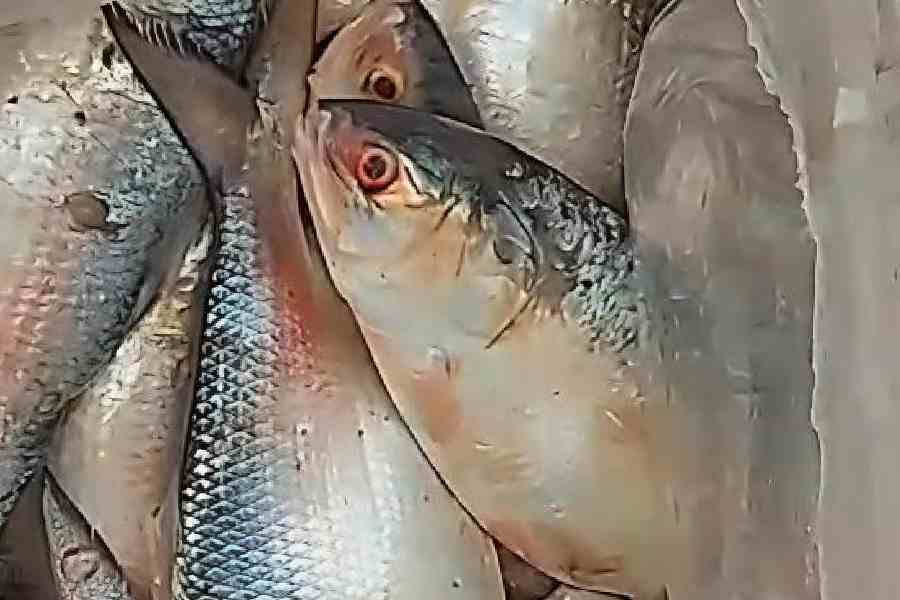
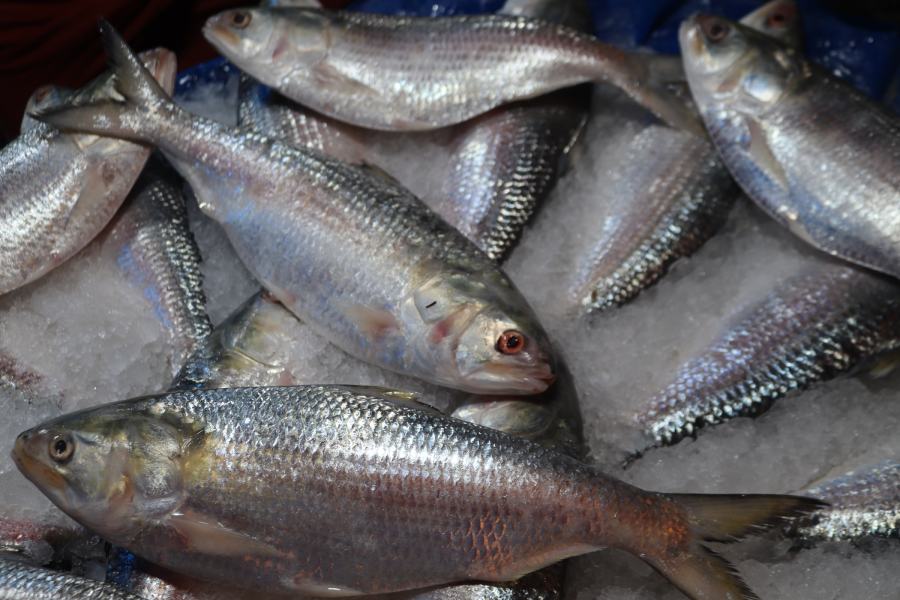
Many families in Bengal like to eat hilsa during Durga Puja.
Some of the most prized hilsa comes from Bangladesh’s Padma River.
Bangladesh has a 22-day ban on catching and selling hilsa from October 8 to October 29 to protect breeding fish.
This year, the ban overlaps with Durga Puja.
Importers say that means no official Padma hilsa shipments will arrive in Calcutta for the festival.
A small amount might still be smuggled in, but authorities have been asked to prevent that.
People can still buy hilsa caught near Digha and Diamond Harbour, or fish brought from Myanmar and Gujarat.
The article also reports that Bangladesh’s hilsa production has been falling.

Bangladesh’s 22-day hilsa fishing, catching and selling ban runs from October 8 through October 29.
Because Durga Puja falls in the third week of October, importers say no official consignment of Padma hilsa will reach Calcutta for the festival.
Bengal usually receives around 3,000 to 4,000 tonnes of Padma hilsa during the festive season; last year’s imports were reported at about 3,000 tonnes, though a source said the final amount was at least 20% lower.
Bangladesh’s hilsa exports to India were halted in July, while sources have linked lower exports to declining production; output in fiscal 2024–25 was reported at 5 lakh tonnes, down 5.5% year-on-year.
Local Digha and Diamond Harbour hilsa, along with fish sourced from Myanmar and Gujarat, will still be available, though a trader said some Padma hilsa might otherwise arrive through smuggling.
- Who
- Hilsa importers and traders in Bengal, and families who buy the fish for Durga Puja.
- What
- The annual Bangladesh hilsa ban coincides with Durga Puja, preventing official Padma hilsa consignments from reaching Calcutta during the festival.
- Where
- The ban applies in the Padma and other rivers in Bangladesh; the reported shortage affects Calcutta and adjoining areas in Bengal.
- When
- The ban runs from October 8 to October 29; Durga Puja falls in the third week of October.
- Why
- Bangladesh imposes the annual ban to protect mother hilsa during its peak breeding season.
Key facts
- Ban duration
- 22 days, from October 8 to October 29
- Usual festive Padma hilsa supply
- Around 3,000 to 4,000 tonnes reach Bengal
- Reported 2024 festive consignment
- Around 3,000 tonnes; a source said the final amount was at least 20% lower
- Bangladesh hilsa production
- 5 lakh tonnes in fiscal 2024–25, down 5.5% year-on-year, according to the reported Department of Fisheries data
- Typical Calcutta price
- Around ₹2,000 for a Padma hilsa weighing 1kg to 1.5kg
- Other reported sources for Bengal
- Around 3,000 tonnes from Myanmar and 4,500 tonnes from Bharuch in Gujarat each year
Quotes
A trader in Calcutta
Calcutta fish trader
“No consignment of Padma’r ilish will come to Calcutta this year. So, during Durga Puja, ilish lovers in the city will miss the distinctive flavour of the Padma’r ilish.”
 telegraphindia.com
“As Puja falls in the third week of October, in the middle of the ban period, there is no chance of getting the tasty hilsa from Bangladesh during the festive days.”
telegraphindia.com
Sources
Related news
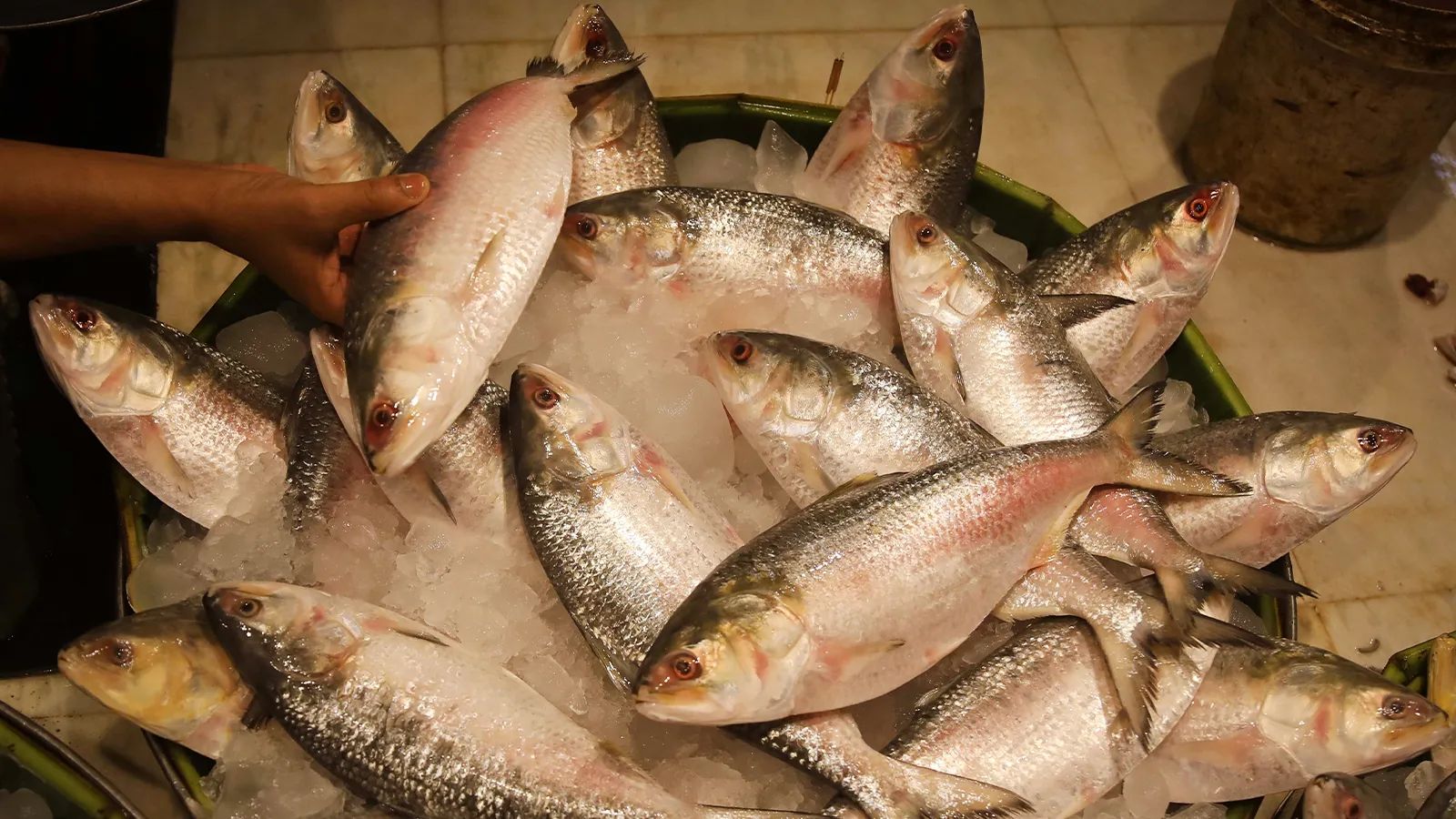
Bangladesh Halts Hilsa Imports, Likely Blocking Durga Puja Exports
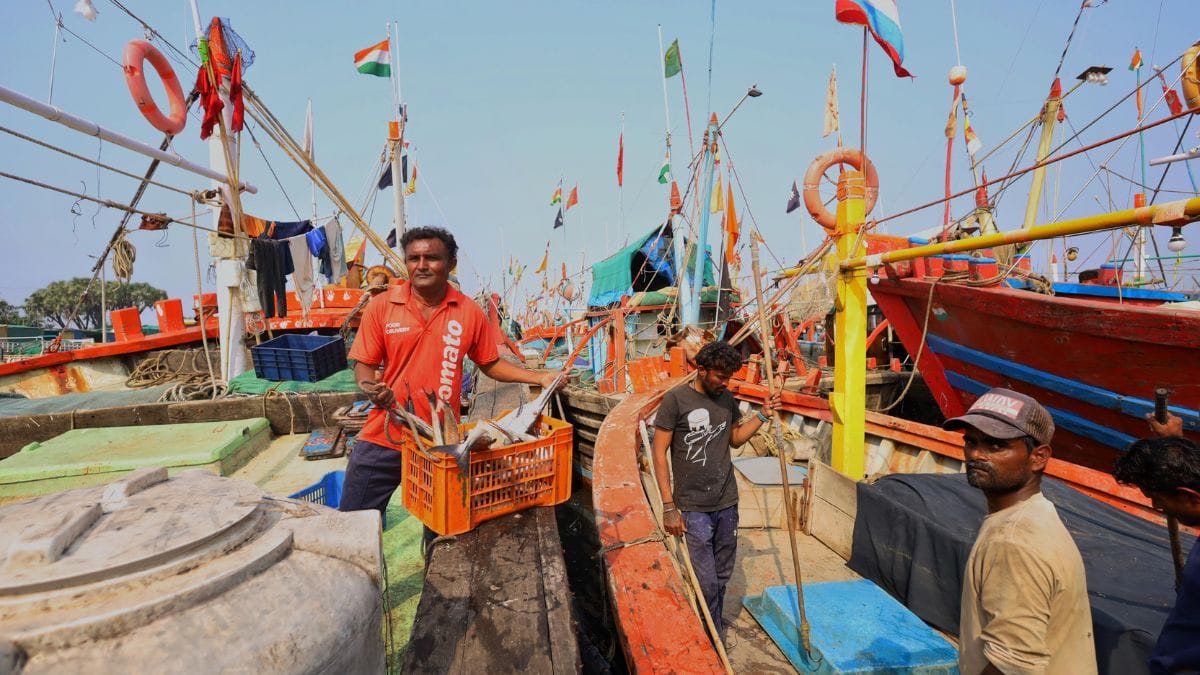
Bangladesh Hilsa Shortage Puts Durga Puja Supply at Risk

Indian Importers Seek Bangladesh Hilsa Exports Ahead of Durga Puja

India’s Hilsa Exports to Bangladesh Mark a Trade Reversal
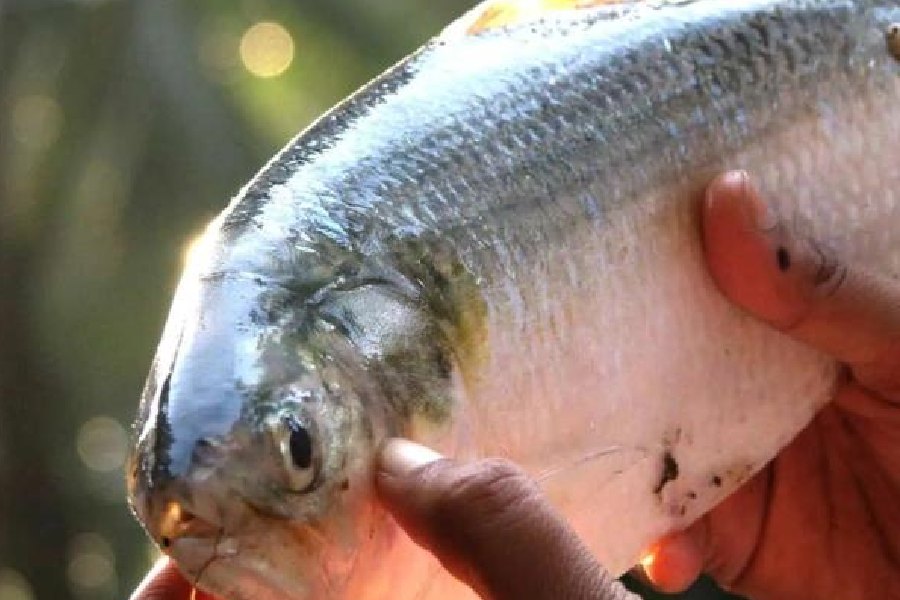
India Sends 500 Tonnes of Hilsa to Bangladesh Amid Shortage
India’s Hilsa Exports to Bangladesh Unlikely to Lift Kolkata Prices
Gauhati High Court Seeks Answers Over Deported Women
Bangladesh Police Detain Four After Tagore Mural Defaced With Ink

Illegal Entry: Bangladeshi Man Arrested at Jharkhand Railway Station

Afghanistan and Bangladesh One-Off Test: Day Two Updates